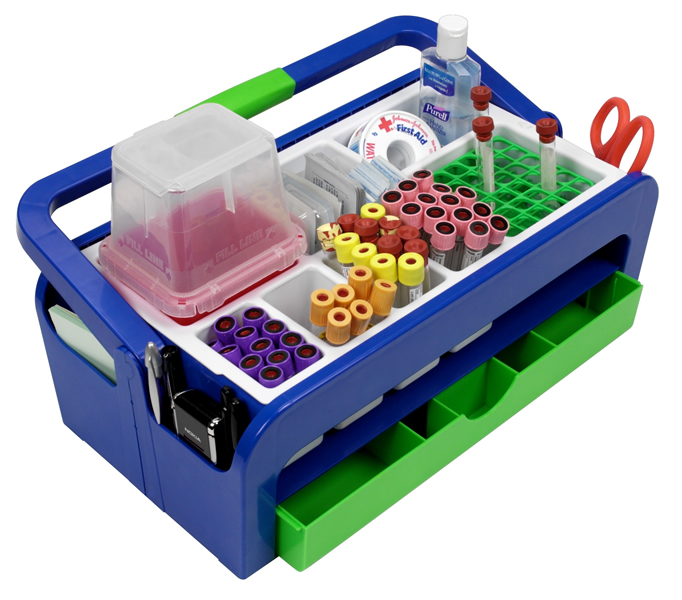
How to Obtain Your Phlebotomist License: A Complete Guide to Certification and Career Success
Embarking on a career as a licensed phlebotomist is a rewarding pursuit in the healthcare industry. Phlebotomists play a crucial role in patient care by accurately collecting blood samples for testing, diagnosis, and research. Whether you’re just starting or looking to advance your career, understanding the process to obtain your phlebotomist license is essential. This comprehensive guide walks you through certification requirements, practical tips, benefits of licensure, and real-life insights to help you achieve career success in this vital healthcare profession.
What Is a Phlebotomist? Understanding the Role
A phlebotomist is a healthcare professional trained to draw blood from patients for laboratory testing, transfusions, donations, or research. They must possess excellent interpersonal skills, attention to detail, and familiarity with safety protocols. Certification and licensure enhance credibility, job prospects, and earning potential.
why Obtain a Phlebotomist License?
- Enhances employability and career prospects
- Ensures compliance with state and federal regulations
- Increases earning potential
- Builds trust with patients and employers
- Provides professional recognition in the healthcare field
Certification vs. Licensing: What’s the Difference?
While the terms are sometimes used interchangeably, certifications and licenses serve different purposes:
- Certification: Voluntary credential awarded by a professional organization when you meet certain standards.
- Licensing: Legal requirement in many states, issued by state health departments or authorities, allowing you to legally perform phlebotomy practices.
In this guide, we focus on how to obtain both certification and licensure where applicable, to ensure you meet all professional standards.
Steps to Obtain Your Phlebotomist License
1. Meet Basic Prerequisites
- High school diploma or GED equivalent
- minimum age of 18 (varies by state)
- background check and no felony convictions (specific requirements vary)
2. Complete a Certified phlebotomy Training Program
Enroll in an accredited training program that covers theoretical knowledge, safety procedures, and hands-on practice. Training programs are offered through community colleges, vocational schools, and online providers.
3. Gain Practical Experience
- Complete clinical internships or externships
- Accumulate required practicum hours (usually 40-120 hours)
This practical experience is vital for developing skills and fulfilling certification prerequisites.
4. Pass the Certification Examination
The most recognized certifications include:
- American Society for Clinical Pathology (ASCP) Phlebotomy Technician (PBT) exam
- National Healthcareer association (NHA) Certified Phlebotomy Technician (CPT) exam
- American Medical certification Association (AMCA) Certified Phlebotomy Technician (CPT)
Prepare thoroughly using practice tests, review courses, and study guides to increase your chances of passing on the first attempt.
5. apply for State Licensure (If Required)
Check your state’s regulations, as some states require licensure, while others only need certification. Submit your submission, verification of completed training, exam scores, and background clearance as required.
State-by-State Licensing Requirements
| State | Licensing Needed | Notes |
|---|---|---|
| California | Yes | Requires licensing through the California Department of Public Health |
| Florida | Yes | State licensure is mandatory for phlebotomists |
| Texas | no | Certification frequently enough recommended but not required by law |
| New York | Yes | Licensing managed by the New York State Department of Health |
| Other States | Varies | Check local regulations for specific requirements |
Benefits of Getting Licensed as a Phlebotomist
- Legal authorization to perform blood collection tasks
- Greater employment opportunities in hospitals, clinics, and labs
- Higher salary potential
- Professional recognition within the healthcare community
- Opportunities for career advancement, such as supervisory roles or specialized fields
Practical Tips for Success
- Choose accredited training programs to ensure quality education
- Prepare thoroughly for certification exams with practice tests and study groups
- Gain hands-on experience through internships or volunteering
- Stay updated with state regulations and continuing education requirements
- Develop strong interaction and patient care skills to excel in your role
Case Study: From Trainee to Licensed Phlebotomist
Jane, a recent high school graduate, decided to pursue a career in healthcare. She enrolled in a reputable phlebotomy training program, completed her clinical hours, and passed the NHA CPT exam. She then applied for licensure in her state, which required a background check and verification of her clinical experience. Today,Jane works as a certified and licensed phlebotomist at a prominent hospital,earning a competitive salary and advancing toward a supervisory position. Her journey underscores the importance of proper training, certification, and licensure for a triumphant career in phlebotomy.
Conclusion: Your Pathway to a Successful Phlebotomy Career
Obtaining your phlebotomist license is a vital step toward establishing a rewarding career in healthcare. By completing accredited training, gaining practical experience, passing certification exams, and complying with state licensing requirements, you position yourself for success.Remember, ongoing education and professional development are key to advancing in this field. Whether you’re just starting or seeking to enhance your credentials, understanding the process and benefits of licensure will help you thrive as a licensed phlebotomist. Embrace your journey into healthcare – your skills and compassion will make a real difference in patients’ lives.