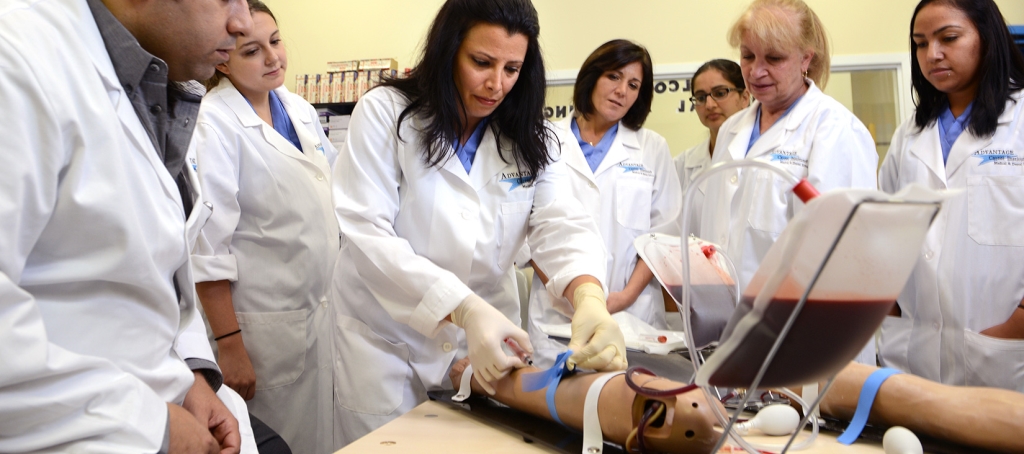
Your Ultimate Guide to Acing the Phlebotomy National Certification Exam
Embarking on a career as a phlebotomist can be both exciting and challenging. To ensure you stand out in this field, passing the Phlebotomy National Certification Exam is essential. This comprehensive guide will equip you with proven strategies, valuable resources, and practical tips to ace your exam and boost your confidence.
Understanding the Phlebotomy National Certification Exam
The Phlebotomy National Certification Exam assesses your knowledge and skills in phlebotomy practices, patient safety, and infection control. It is crucial for obtaining certification from recognized organizations like the National Phlebotomy Association (NPA) or the American Society for Clinical Pathology (ASCP). Understanding the exam format and content will help you prepare effectively.
Exam Structure
- Number of Questions: Typically includes 100-150 questions.
- Types of Questions: Multiple-choice format.
- Duration: Usually allows for 2-3 hours to complete.
Key Topics to Study
While preparing for the certification exam, focus on the following critical topics:
| Topic | Description |
|---|---|
| Patient Identification | Understanding protocols for verifying patient information. |
| Venipuncture Techniques | Skills for safely drawing blood from patients. |
| Infection Control | Practices to ensure safety and prevent contamination. |
| Test Tube Handling | Knowledge of proper storage and transport of specimens. |
| Ethical Considerations | Understanding patient rights and privacy concerns. |
Effective Study Strategies
Create a Study Plan
A structured study plan is the foundation of effective exam preparation. Here’s how to build one:
- Set Goals: Determine your target score and timelines.
- Allocate Time: Dedicate specific hours each week to study different topics.
- Use a Variety of Resources: Combine textbooks, online courses, and practice exams.
Utilize Practice Tests
Taking practice exams will help you familiarize yourself with the question format and timing pressures. Consider the following:
- Use online platforms offering phlebotomy practice tests.
- Review answer explanations to understand your strengths and weaknesses.
- Repeat practice tests periodically to track your progress.
Helpful Resources
Invest in a mix of study materials to enhance your preparation:
- Books: Refer to the Phlebotomy Exam Study Guide and the Clinical Laboratory Science Review.
- Online Courses: Platforms like Coursera or Udemy offer comprehensive phlebotomy courses.
- Mobile Apps: Explore apps that provide quizzes and flashcards for on-the-go study sessions.
Real-Life Case Studies
Learning from the experiences of others can be incredibly beneficial. Here are two first-hand accounts from successful candidates:
Case Study: Jenny A.
Jenny studied for about 10 hours a week for two months. She collected resources from her training program and followed a structured study plan. She emphasized the impact of practice tests, stating, “Taking multiple practice quizzes helped me build confidence.”
Case Study: Mark T.
Mark approached studying differently. He joined a study group, finding that discussing topics with peers reinforced his understanding. “I realized that teaching others helped me remember better,” he shared.
Benefits of Certification
Obtaining your phlebotomy certification offers several advantages:
- Increased Employability: Many employers prefer or require certification for phlebotomists.
- Higher Earning Potential: Certified phlebotomists often command higher salaries.
- Professional Recognition: Certification is a mark of credibility in the healthcare community.
Practical Tips for the Day of the Exam
Following these tips can help ensure a smooth exam day:
- Get a good night’s sleep before the exam.
- Eat a healthy breakfast to fuel your brain.
- Arrive early to the testing center to avoid last-minute stress.
- Bring necessary identification and any allowed study materials.
Conclusion
Preparing for the Phlebotomy National Certification Exam does not have to be overwhelming. By utilizing effective study strategies, accessing valuable resources, and learning from case studies, you will be well on your way to acing the exam. Remember to stay positive and confident in your preparation. Best of luck on your journey to becoming a certified phlebotomist!