Your Guide to Rewarding Phlebotomist Careers: Opportunities, Skills, & How to Get Started
Embarking on a career as a phlebotomist offers meaningful opportunities in the healthcare industry. wiht the demand for skilled professionals steadily rising, learning about the opportunities, essential skills, and the steps to begin can set you on a path toward a rewarding and stable career.
Introduction
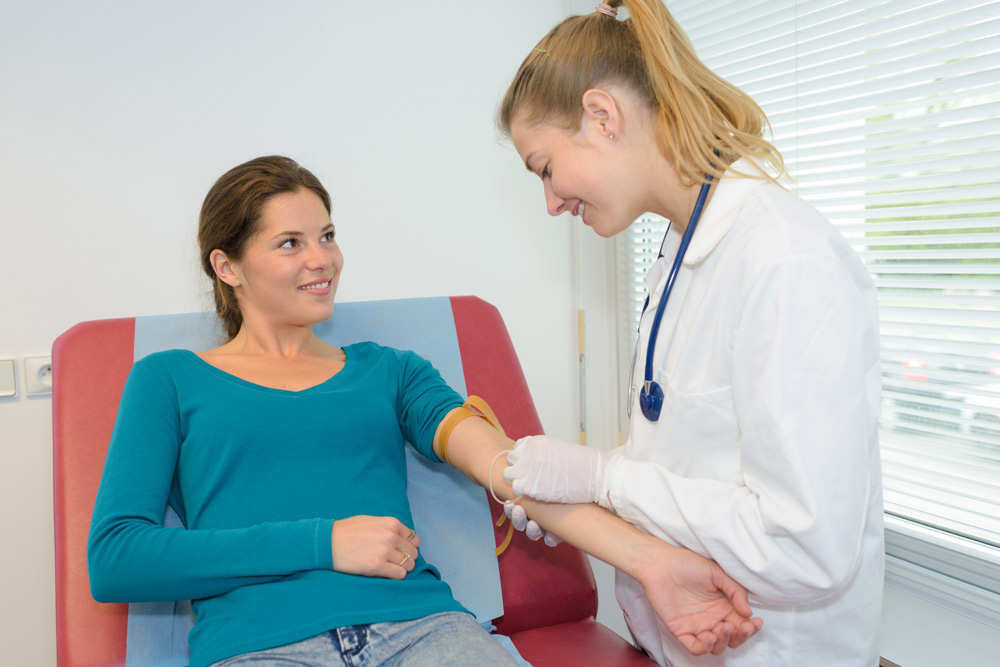
If your interested in a healthcare career that combines patient interaction, technical skills, and meaningful work, becoming a phlebotomist might be the perfect choice. Phlebotomists are vital members of medical teams responsible for collecting blood samples, which are crucial for diagnostics and treatment. This extensive guide will explore the various opportunities within phlebotomy,the essential skills required,practical tips to succeed,and how to embark on this rewarding career path.
why Choose a Career in Phlebotomy?
Choosing a career in phlebotomy can be highly rewarding for several reasons:
- High Demand: The growing need for blood tests in hospitals, clinics, and laboratories creates abundant job opportunities.
- Relatively Short Training: many phlebotomy programs are brief, allowing you to start working quickly.
- Competitive salaries: Phlebotomists earn a pleasant income, with potential for advancement.
- Flexible Work Schedules: Opportunities in hospitals, labs, mobile clinics, and more offer flexible hours.
- Sense of Purpose: Contributing directly to patient care and health diagnostics fosters a fulfilling career.
Career Opportunities for Phlebotomists
The landscape of phlebotomy offers diverse career paths. Whether you’re just starting or looking to advance,here are some of the prominent opportunities:
Entry-Level Positions
- Hospital Phlebotomist: Working in a hospital setting,collecting blood for various tests.
- Clinic Phlebotomist: Serving outpatient clinics and doctor’s offices.
- Laboratory Technician: Assisting in sample processing and handling.
Advanced and Specialized Roles
- Mobile Phlebotomist: Traveling to patient’s homes or workplaces.
- Supervision/Lead Phlebotomist: Managing teams and training new staff.
- Blood Bank Technician: Specializing in blood storage, testing, and transfusions.
- Healthcare Administrator: Moving into healthcare management with additional education.
Growth Prospects
With experience, phlebotomists can advance into supervisory roles or further specialize in medical laboratory science or diagnostics, increasing earning potential and job stability.
Essential Skills for a Triumphant Phlebotomist
Excelling in phlebotomy requires a mix of technical skills and soft skills. Here are key competencies to develop:
- Technical proficiency: Skilled in venipuncture, capillary puncture, and handling lab equipment.
- attention to Detail: Ensuring proper labeling and sample handling to prevent errors.
- Patient Care Skills: Making patients feel comfortable and cared for during collection.
- Communication Skills: Explaining procedures clearly and listening to patient concerns.
- Stamina & Steady Hands: Maintaining focus and stability during blood collection.
- Understanding of Safety Protocols: Knowledge of infection control and biohazard handling.
How to Start Your Phlebotomy Career
Getting started in phlebotomy involves obtaining the necessary education, certification, and gaining practical experience. Here’s a step-by-step guide:
Step 1: Meet Basic Requirements
- High school diploma or GED
- Must be at least 18 years old (varies by state)
- Good interpersonal skills and attention to detail
Step 2: Enroll in a Certified Phlebotomy program
Choose accredited training programs that cover:
- Anatomy and physiology
- Venipuncture techniques
- Safety protocols
- Patient interaction and communication skills
Step 3: Complete Practical Training & Clinical Hours
Most programs include supervised hands-on training, vital for building confidence and skill.
Step 4: Obtain Certification
Although requirements vary by state, certification from organizations such as the American Society for Clinical Pathology (ASCP), National Phlebotomy Association (NPA), or American Medical Technologists (AMT) enhances employability and credibility.
Step 5: Apply for Jobs & Continue Education
Start applying to local hospitals, labs, clinics, or mobile services. Continue learning through workshops and additional certifications to advance your career.
Benefits & Practical Tips for Aspiring Phlebotomists
Benefits of a Hand-on Medical Career
- Rewarding experience helping patients and healthcare teams
- Opportunities in various healthcare settings
- Short training periods with quick start prospects
- Potential for career advancement and specialization
Practical Tips to Succeed
- Develop excellent communication and bedside manner skills
- Practice venipuncture techniques regularly
- Stay updated with the latest safety protocols and equipment
- Seek mentorship and networking opportunities
- maintain a professional attitude and empathy
Success stories & Case Studies
Case Study: From Student to Lead Phlebotomist
Jane started as a certified phlebotomist working in a busy hospital. Through dedication, ongoing training, and developing her patient care skills, she advanced to a lead role within three years, supervising a team and training new staff. Her story exemplifies how hard work and continuous learning open doors to higher positions in phlebotomy.
Real-Life Benefits of a Phlebotomy Career
| Aspect | Experience |
|---|---|
| Job Satisfaction | Helping patients and making a difference |
| Flexibility | Multiple work environments and schedules |
| Growth potential | Advancement in roles and specialization |
| Financial Stability | Competitive salaries and benefits |
Conclusion
Embarking on a career as a phlebotomist can be both fulfilling and financially rewarding. With the right training, certification, and attitude, you can enter a healthcare field that offers stability, growth, and the chance to make a meaningful difference in people’s lives. Whether you’re just starting out or seeking to advance, the diverse opportunities within phlebotomy make it an excellent choice for those passionate about patient care and health sciences.
Take the first step today by exploring accredited programs and connecting with professionals in the field.Your rewarding career as a phlebotomist awaits!