Why Phlebotomy Matters: The Vital Role of Blood Collection in Healthcare
Phlebotomy, the practise of drawing blood for laboratory testing, donation, or transfusion, might seem like a simple medical procedure. however, it holds a fundamental place in the healthcare system. Skilled blood collection through phlebotomy is essential for accurate diagnosis, effective treatment, and ongoing patient monitoring. In this comprehensive guide, we’ll explore why phlebotomy matters and how this vital service impacts overall healthcare quality.
Understanding Phlebotomy and Blood Collection
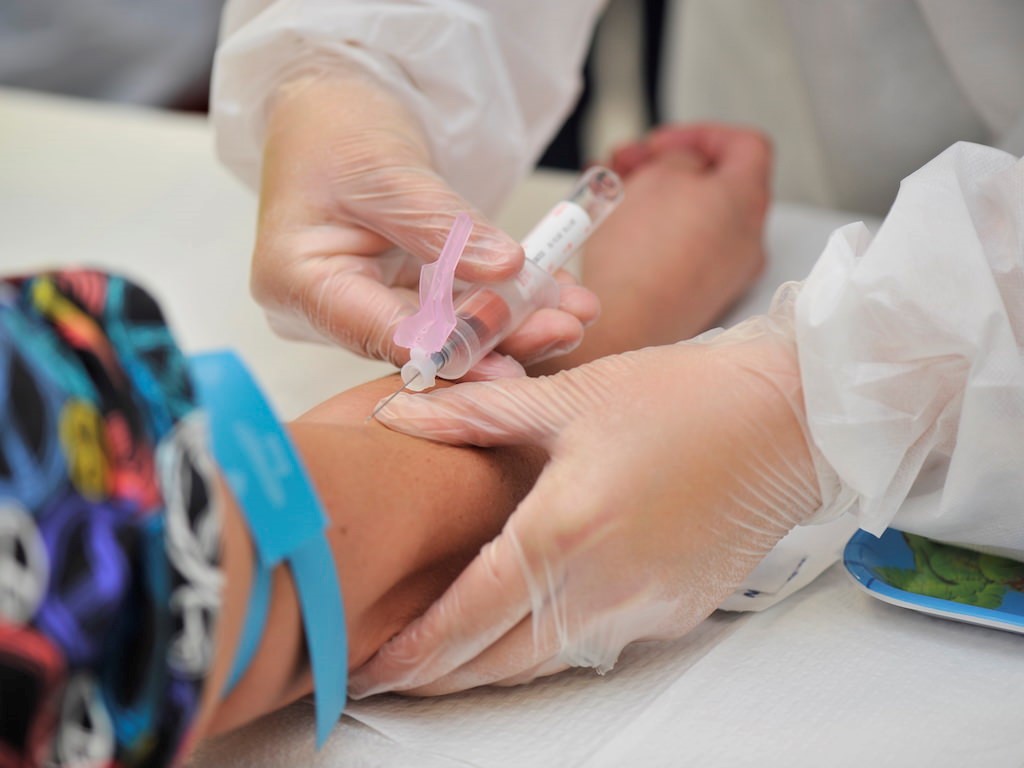
Phlebotomy involves the collection of blood from a patient’s vein using a sterile needle and collection tube. This process must be performed precisely and safely too ensure quality samples and patient comfort. Phlebotomists are specially trained healthcare professionals who perform this task with skill and care, playing a crucial role in diagnostic medicine.
The Critical Role of Blood Collection in Healthcare
1. Accurate Diagnostic Testing
blood tests are a cornerstone of modern medicine. They assist in diagnosing conditions such as infections, anemia, diabetes, heart disease, and even some cancers. The accuracy of these tests depends heavily on the quality of the blood sample collected.
- Blood collection ensures reliable lab results, guiding effective treatment plans.
- Proper technique minimizes contamination and hemolysis, which can distort test outcomes.
- Timely sample collection can be critical for emergency diagnosis.
2. Monitoring Chronic Conditions
Patients with chronic illnesses like diabetes or hypertension require regular blood testing to monitor disease progression and treatment efficacy. Consistent blood collection is vital for:
- Adjusting medication dosages
- Tracking disease markers over time
- Preventing complications through early detection
3. Blood Donation and Transfusion Services
Blood banks depend on phlebotomy to collect donor blood, which is then processed into various blood components for transfusions. This critical service saves countless lives daily and ensures a steady supply of safe blood for patients in need.
Benefits of Proper Phlebotomy
Effective blood collection extends beyond just safety; it offers numerous benefits that enhance patient care and operational efficiency in healthcare settings.
- Improved Patient Outcomes: Accurate tests lead to precise diagnoses and effective treatments.
- Enhanced Safety: Reducing risk of infections through sterile procedures.
- Time and Cost Efficiency: Skilled phlebotomists minimize repeat draws and sample errors.
- Patient Comfort: Gentle techniques and clear dialog make the process less stressful.
Practical Tips for Effective Blood Collection
If you’re a healthcare professional or aspiring phlebotomist, consider these practical tips for prosperous blood collection:
- Ensure proper patient identification before sample collection.
- Use sterile, high-quality needles and collection tubes.
- Choose the right vein and apply appropriate tourniquet pressure.
- Insert the needle at a proper angle to minimize discomfort.
- Label samples instantly and correctly.
- Observe patient comfort and provide aftercare advice.
Case Studies highlighting the Importance of Blood Collection
Case Study 1: Accurate Blood Testing Prevents Misdiagnosis
A 45-year-old patient presented with fatigue and abnormal blood counts. Proper blood collection and testing revealed iron deficiency anemia. early detection lead to treatment that restored health, highlighting how precise phlebotomy directly impacts patient outcomes.
Case Study 2: Supporting Life through blood Donation
A local blood bank relied on dedicated phlebotomists to collect blood donations. During a natural disaster, the steady supply of blood stored contributed to emergency transfusions, saving numerous lives. This emphasizes the societal importance of blood collection services.
First-Hand Experience: The Impact of a Skilled Phlebotomist
Many patients remember a positive or negative experience during blood collection. Skilled phlebotomists can turn a stressful procedure into a reassuring experience through professionalism, empathy, and technical expertise. For example,patient Sarah shares:
“Thanks to my friendly and experienced phlebotomist,my blood draw was quick and painless. it made a tough day a little easier.”
Summary Table: Why Phlebotomy Matters
| Aspect | Importance |
|---|---|
| Diagnosis | Enables accurate and timely disease identification |
| Monitoring | Tracks health status and treatment response |
| Blood Donation | Supports community health and life-saving transfusions |
| Emergency Care | Provides quick blood testing in urgent situations |
| Patient Safety | Ensures safe, contamination-free procedures |
Conclusion
phlebotomy and blood collection are more than just routine procedures—they are vital components of modern healthcare. From diagnosing complex diseases to supporting emergency treatments and saving lives through blood donation, the impact of skilled blood collection is profound. As patients, healthcare providers, or future phlebotomists, recognizing the significance of this process underscores its importance in maintaining quality healthcare standards. Investing in proper training, sterile techniques, and compassionate care ensures that blood collection continues to serve its critical role effectively and safely.