Where can a Phlebotomist Work? Top Healthcare Settings & Career Opportunities
Are you considering a career as a phlebotomist or already pursuing certification? Understanding where phlebotomists can work is essential to planning a successful healthcare career.This versatile medical role opens doors to various healthcare settings, each offering unique opportunities, experiences, adn professional growth. In this thorough guide, we will explore the top workplaces for phlebotomists, the benefits of working in different healthcare environments, practical tips for success, and inspiring case studies. Whether you’re just starting out or exploring new job prospects, this article will provide valuable insights into the diverse career opportunities available for phlebotomists.
What Is a Phlebotomist? A Quick Overview
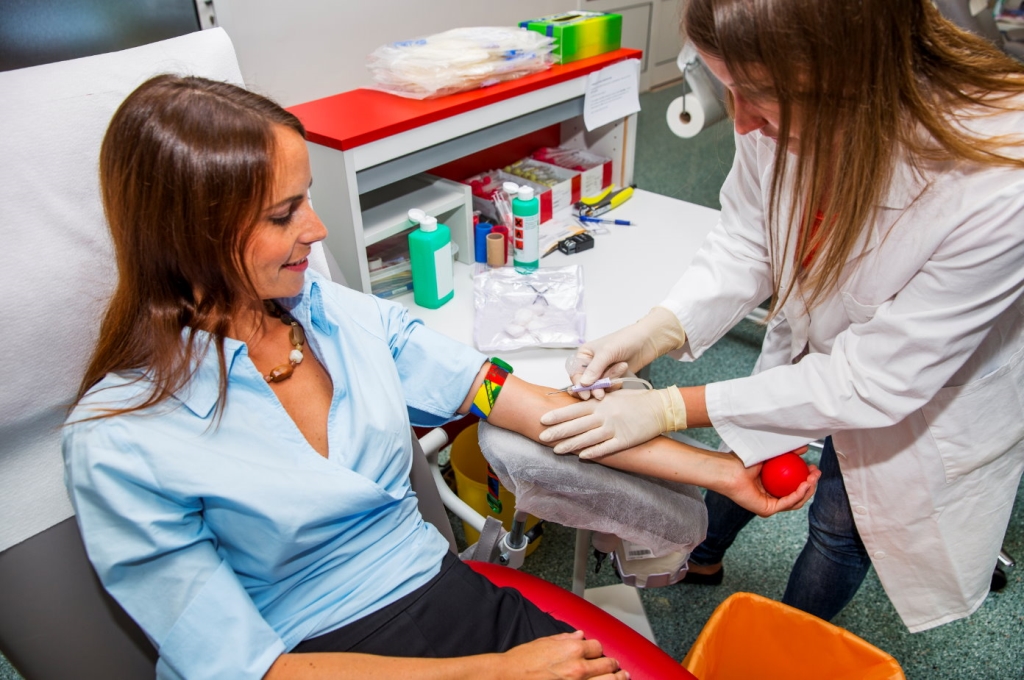
A phlebotomist is a healthcare professional trained to draw blood samples from patients for diagnostic testing, blood donations, or research. They play a critical role in the medical diagnostic process, ensuring that blood specimens are collected accurately and safely. With proper certification and training, phlebotomists can work in a variety of healthcare environments, making this a flexible and rewarding career choice.
Top Healthcare Settings Where Phlebotomists Can Work
1. Hospitals and Medical Centers
Hospitals are among the most common workplaces for certified phlebotomists. In a hospital setting, phlebotomists work alongside doctors, nurses, and lab technicians to perform blood draws required for patient diagnosis and treatment. Hospital environments provide a fast-paced atmosphere with diverse patient populations, offering excellent experience for beginners and seasoned professionals alike.
2. Diagnostic Laboratories
Diagnostic labs conduct various tests on blood and other specimens. Phlebotomists in labs often work daytime shifts, focusing on specimen collection and processing. This setting offers a more controlled surroundings, frequently enough with less direct patient contact but vital for accurate diagnostic results.
3. Physicians’ Offices and Outpatient Clinics
Ambulatory care centers, private clinics, and outpatient facilities also employ phlebotomists. Working here allows for more personalized patient interactions, flexible schedules, and often a calmer work environment.Phlebotomists assist doctors directly in a healthcare team dedicated to outpatient services.
4. Blood donation centers
Organizations like the American Red Cross and local blood banks hire phlebotomists to collect blood donations from healthy volunteers. This role requires excellent interpersonal skills and attention to donor safety, offering a rewarding experience in community service and public health.
5. Long-term Care Facilities and Nursing Homes
Long-term care communities often need phlebotomists to perform blood collection for residents who may have difficulty traveling to clinics.This setting demands patience and gentle handling, providing a unique opportunity to build lasting patient relationships.
6. Research Institutions and Universities
Research labs conducting clinical studies and medical research also employ phlebotomists for specimen collection, often involving specialized procedures. This environment appeals to those interested in the scientific aspect of healthcare and patient interaction.
Additional Career Opportunities for Phlebotomists
- Mobile Phlebotomy Services: Providing blood draws at patient homes or workplaces.
- travel Phlebotomist: Working in different locations or regions,perfect for adventurous professionals.
- emergency Medical Settings: roles in ambulances or disaster response scenarios where blood collection is needed.
Benefits of Working in Different Healthcare Settings
- Diverse Clinical Experience: Exposure to various patient populations and medical conditions.
- Job Adaptability: Opportunities for part-time,full-time,or travel work.
- Career Advancement: Experience here can lead to roles in supervisory positions or specialized healthcare fields.
- Community Impact: Helping save lives through blood donation or improving patient care.
Practical tips for Aspiring Phlebotomists
- Obtain Certified Training: Ensure you complete an accredited phlebotomy training program and earn certification (e.g., CPT, CFP).
- Develop Strong Interaction Skills: Interacting effectively and compassionately with patients enhances your success.
- Gain Diverse Experience: Seek placements in multiple healthcare settings to build a broad skill set.
- Maintain Professionalism: Adhere to safety protocols and HIPAA regulations at all times.
- Stay Updated: Continue education and stay informed about advances in blood collection technology and procedures.
Case study: A Day in the Life of a Hospital Phlebotomist
Jessica, a certified phlebotomist working in a busy city hospital, starts her shift at 7 am. Her day involves drawing blood from patients in the emergency room, inpatient wards, and outpatient departments. She handles a variety of cases, from routine blood tests to emergency blood draws for trauma patients. Jessica values the teamwork with nurses and lab technicians, and she finds fulfillment in helping doctors diagnose critical conditions quickly. Her experience has broadened her clinical skills and deepened her patient care abilities,illustrating the vibrant career opportunities available in hospital settings.
Conclusion
Phlebotomists are vital players in the healthcare industry, with a wide array of employment opportunities across numerous settings. From bustling hospitals and diagnostic labs to community blood banks and outpatient clinics, each environment offers unique experiences and professional growth paths. If you’re interested in a career that combines patient interaction, medical technology, and community service, phlebotomy might be the perfect fit. Remember to pursue certified training, stay adaptable, and continuously seek educational opportunities to advance your career. The healthcare landscape is constantly evolving, and as a phlebotomist, you will be at the forefront of vital patient care, making a real difference every day.
Employment Opportunities at a Glance
| Workplace | Typical Role | Advantages |
|---|---|---|
| Hospitals & Medical Centers | Emergency, inpatient, outpatient draws | Diverse patient exposure & advanced clinical experience |
| Diagnostic Labs | Specimen collection & processing | Structured environment & less patient interaction |
| Physicians’ Offices | Routine blood draws for outpatient care | Personalized patient relationships & flexible hours |
| Blood Donation Centers | Collecting voluntary blood donations | Community service & life-saving impact |
| Long-term Care Facilities | Blood collection for residents | Building lasting patient bonds & calm environment |
| Research Institutions | Clinical studies & trials | Specialized skills & scientific environment |
Start Your Journey in Phlebotomy Today!
If you’re passionate about healthcare and looking for a flexible, impactful career, consider the many opportunities available as a phlebotomist. With proper training and dedication, you can thrive in a variety of healthcare settings, contribute to patient care, and enjoy meaningful professional growth. Explore your options, gain hands-on experience, and join a dynamic field committed to saving lives and advancing medical science.