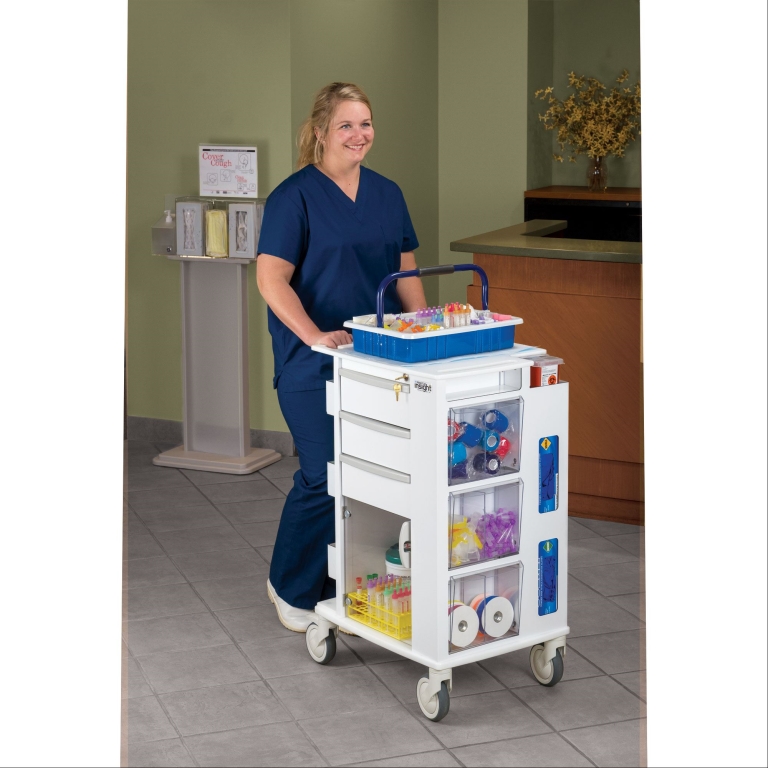
Everything You Need to Know to Pass the Phlebotomy National Exam with Confidence
Embarking on the journey to become a certified phlebotomy technician is an exciting step toward a rewarding healthcare career. the Phlebotomy National Exam is a pivotal milestone that validates your knowledge,skills,and professional readiness. This comprehensive guide will walk you through what to expect, core knowledge areas, proven study strategies, practical tips for exam day, and real-world insights to help you pass with confidence. Whether you’re fresh out of training or refreshing your certification, you’ll find actionable tactics, practice resources, and dependable guidance here.
Understanding the Phlebotomy National Exam
while sets of questions and exact formats vary by certifying body (such as NCCT, NHA, ASCP, or others), most national phlebotomy exams share common elements. You’ll be tested on both theoretical knowledge and practical decision-making related to blood collection, safety, patient care, and compliance with regulations.A solid plan combines content mastery with test-taking strategies to maximize your performance on exam day.
Common exam formats you may encounter
- Multiple-choice questions (the predominant format) that assess knowledge, application, and scenario-based reasoning.
- Timed sections that challenge your ability to manage time while maintaining accuracy.
- Scenario-based items that test critical thinking in real-world phlebotomy situations (patient communication, specimen handling, and identifying potential complications).
- Some exams include occasional short matching or true/false questions; the emphasis remains on practical competence and safety.
Tip: Always check the official handbook of your certifying body for exact details (number of questions, passing score, duration, and allowed aids). The core idea across bodies is to ensure you can perform safe,precise blood collection and documentation under pressure.
Core Knowledge Areas for the Phlebotomy National Exam
Preparing for the exam means building a strong foundation in each essential domain. Below are the knowledge areas you’ll likely encounter, along with quick study prompts to guide your review.
1) Safety, infection control, and OSHA basics
- Standard precautions, PPE selection, hand hygiene, and exposure control plans.
- Prevention of needlestick injuries and proper disposal of sharps.
- Infection control principles for handling patient specimens and contaminated equipment.
2) Patient identification and bedside manners
- Verifying patient identity using two identifiers (e.g., name and date of birth).
- Effective communication, consent, and comfort strategies for anxious or vulnerable patients.
- Ethical considerations and HIPAA basics related to patient privacy.
3) Specimen collection techniques
- Venipuncture: proper site selection, tourniquet use, needle sizes, and vein readiness.
- Capillary puncture (fingerstick, heelstick): indications, technique, and common pitfalls.
- Correct order of draw to minimize additive carryover and specimen contamination.
- Labeling requirements,specimen integrity,and avoiding specimen mix-ups.
4) Equipment, supplies, and labeling
- Phlebotomy equipment (needles, collection tubes, vacutainers, tourniquets) and their correct use.
- Labeling standards, date/time of collection, patient ID, and chain of custody basics.
5) Specimen handling, processing, and transportation
- Specimen integrity considerations (mixing, clotting, hemolysis) and preservation requirements.
- Proper transport conditions (biohazard handling, temperature control) and documentation.
6) Documentation and QA (quality assurance)
- Accurate order entry, patient record updates, and result reporting.
- QA procedures, incident documentation, and error prevention strategies.
7) Special populations and adaptive techniques
- Geriatric and pediatric considerations,challenging draws,and recognizing when to seek assistance.
- Understanding common contraindications and safety red flags.
Tip: Create a concise checklist or flashcards for these seven domains. Revisit them daily in short, focused sessions to build long-term retention.
Study Strategy and Plan to Build Confidence
Developing a structured study routine is essential for confidence and performance.The following plan outlines practical steps to cover all content, build hands-on proficiency, and retain facts over time.
Four steps to an effective study routine
- Assess your baseline: Take a diagnostic practice test to identify strengths and gaps.
- Prioritize weak areas: Allocate more study time to topics with the lowest scores while maintaining strength in your core knowledge.
- blend theory with practice: Use question banks, flashcards, and hands-on lab practice (when available).
- Simulate test conditions: Practice full-length timed quizzes to build stamina and test-taking skills.
Recommended study resources
- Official exam handbook and candidate guide from your certifying body.
- Phlebotomy textbooks and review guides with practice questions.
- Online practice banks and mobile flashcard apps focused on phlebotomy topics.
- hands-on practice with venipuncture simulators or supervised clinical labs.
Practical Tips for Maximizing Your Confidence
- Learn the order of draw by heart and why it matters to prevent additive contamination.
- Memorize key safety steps: proper PPE, needle handling, and immediate response to a needlestick.
- Practice patient communication scripts for common scenarios (e.g., “I’ll take a few minutes to explain the process”).
- Use a structured test-taking approach: read the question, eliminate obviously wrong choices, and revisit difficult items last.
- Keep stress in check: use deep breathing and positive visualization in the final minutes before the exam.
Sample Study Plan and Practice Setup (WordPress Styled Tables)
Below is a practical, six-week study plan.You can adapt it to your schedule. the tables use WordPress-amiable classes for easy integration into your site.
| Week | Focus Area | Key Activities | Resources | Estimated Study Hours |
|---|---|---|---|---|
| 1 | Foundational Knowledge | Review safety, HIPAA, and patient identification | Official handbook, safety guidelines | 6 |
| 2 | Specimen Collection Techniques | Venipuncture steps, order of draw, labeling | Practice questions, lab mannequin if possible | 6 |
| 3 | Specimen Handling & Transport | Storage, transport conditions, specimen integrity | Practice sets, flashcards | 6 |
| 4 | Documentation & QA | Charting basics, QA processes, incident reporting | Practice scenarios, glossary | 5 |
| 5 | Exam-Taking Strategies | timed practice tests, review of errors | Question bank, exam simulator | 6 |
| 6 | Full Review & Mock Exam | Full-length timed mock, final polishing | All resources, study group | 7 |
Practice and Assessment: Boosting Confidence through Realistic Questions
practice questions are the bridge between knowledge and exam performance. Here are ways to leverage practice materials effectively:
- Use a reputable question bank that mirrors the format of your certifying body.
- Review explanations for both correct and incorrect answers to understand your reasoning and identify gaps.
- Track your progress with a simple scorecard to visualize improvement over time.
- Incorporate time-bound practice to simulate real test conditions and build pace.
Sample practice topics to prioritize in your question sets:
- Identifying the patient correctly and preventing mislabeling.
- Choosing the correct needle and collection tube for various tests.
- Order of draw and avoiding specimen cross-contamination.
- Handling difficult draws and special populations with empathy and safety.
- Documenting results accurately and understanding chain-of-custody basics.
Case Studies and Firsthand Experience
Hearing from peers who have taken the Phlebotomy National Exam can be incredibly motivating and informative. Here are two concise, anonymized experiences that illustrate practical insights you can apply to your preparation.
Case Study A: From Nervous to Ready
A recent graduate shared that the turning point was the six-week plan focusing on the order of draw and capillary puncture. By testing themselves with scenario questions and rehearsing patient communication scripts, they reduced anxiety and improved accuracy on labeling. The key takeaway was commitment to consistent daily practice, even 20-30 minutes per day, which built confidence without burnout.
Case Study B: Mastery of Safety and Documentation
another candidate emphasized mastering safety protocols. They built a quick-reference laminated sheet with PPE steps, exposure control, and labeling requirements, which they reviewed before every practice session.this approach reduced errors and reinforced muscle memory for the exam and for real-world work.
benefits of Phlebotomy Certification and Career Advantages
- Credibility and professional recognition in healthcare teams.
- Expanded job opportunities in hospitals, clinics, blood banks, and outpatient labs.
- Potential for higher starting salaries and faster advancement with certification.
- Continued career growth through ongoing education and recertification requirements.
To maximize benefits, maintain a habit of ongoing learning, stay current with safety standards, and network with other professionals in phlebotomy communities. Certification is a milestone, but excellence comes from continuous practice and professional integrity.
common Mistakes to Avoid and How to Overcome Them
- Skipping the order-of-draw review – fix by memorizing and practicing through drills.
- Rushing during the exam – counter with timed practice and intentional, calm breathing techniques.
- Mislabeling or incomplete documentation – use a checklist and double-check each step before finalizing a specimen.
- Ignoring patient safety and comfort – rehearse empathetic communication and consent, especially with anxious patients.
- Neglecting regulatory guidelines – stay updated on HIPAA, OSHA, and lab compliance requirements.
FAQ: Quick Answers for Your Phlebotomy Certification Journey
Q: How long does it typically take to prepare for the Phlebotomy National Exam?
A: Preparation time varies by background. Most candidates spend 4-12 weeks, depending on prior knowledge, clinical experience, and study tempo.A structured plan with daily practice yields the best results.
Q: Do I need hands-on practice to pass the exam?
A: While the exam emphasizes knowledge and safety, practical experience reinforces understanding and performance. If you lack hands-on time, seek supervised practice sessions or simulation labs in addition to studying.
Q: What if I fail the exam on the first attempt?
A: review the official retake policy from your certifying body. Analyze your weak areas, update your study plan, and attempt a targeted practice set before retaking.
Q: Are there any continuing education requirements after certification?
A: Many certifying bodies require recertification after a set period or through continuing education credits.Check your specific body’s guidelines to stay compliant.
Conclusion: Your Path to Phlebotomy Certification Confidence
Passing the Phlebotomy National Exam with confidence is a blend of solid content mastery, practical readiness, and strategic test preparation. By understanding the exam’s structure, mastering core knowledge areas, using a structured study plan, and practicing under realistic conditions, you’ll be well-positioned to succeed. Remember to emphasize safety, accuracy, patient care, and meticulous documentation-these are the pillars of excellence in phlebotomy. Use the resources, checklists, and practice plans outlined in this guide, tailor them to your schedule, and approach exam day with the calm confidence of a professional who knows they are prepared. Your certification is within reach-train smart, stay focused, and you’ll pass the Phlebotomy National Exam with confidence.