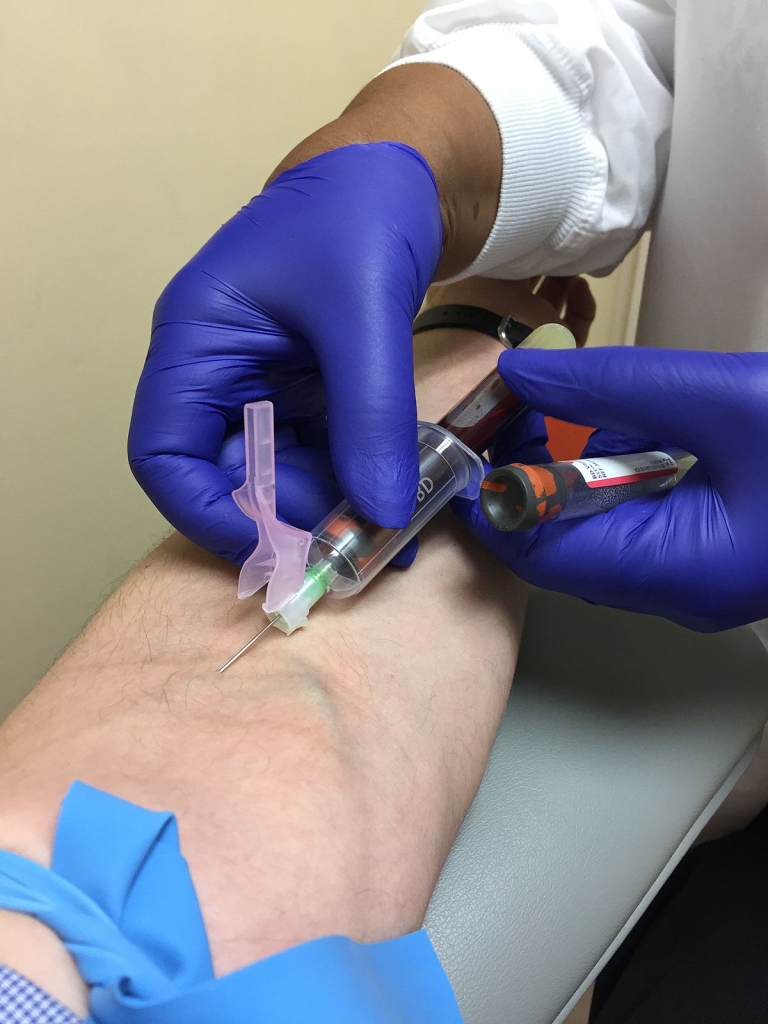
What You Need to Know: Essential Requirements to Become a Phlebotomist
Are you interested in a rewarding healthcare career that involves drawing blood and assisting in diagnostics? Becoming a phlebotomist is a fantastic choice. This vital healthcare role requires specific skills, education, and certifications. In this comprehensive guide, we’ll explore everything you need to know about the essential requirements to become a certified phlebotomist, practical tips for success, and insights into this growing field.
Introduction to the Role of a Phlebotomist
Phlebotomists are trained healthcare professionals responsible for collecting blood samples from patients for laboratory testing, transfusions, or donation purposes. They play a crucial role in the medical diagnostic process, ensuring samples are collected safely and accurately. Success in this field requires a combination of technical skills, interpersonal abilities, and proper certification.
Educational Requirements to become a Phlebotomist
High School Diploma or Equivalent
the minimum educational requirement to pursue a career as a phlebotomist is a high school diploma or a General Educational Development (GED) certificate. This foundational education provides the basic skills needed for further specialized training.
Post-Secondary Phlebotomy Training
Even though some states or employers may hire unlicensed phlebotomists, completing a formal phlebotomy training program substantially enhances job prospects. These programs, available at community colleges, vocational schools, or hospitals, provide hands-on training in blood collection techniques, safety protocols, and patient communication.
Training Program Content
- Basic anatomy and physiology
- Blood draw techniques (venipuncture, capillary puncture)
- Lab safety and infection control
- Patient interaction and consent procedures
- proper labeling and specimen handling
- Emergency response and first aid
Licensing, Certification, and Registration
importance of Certification
While not all states require certification, obtaining a recognized certificate increases employability and credibility in the healthcare field. It also assures employers and patients of your competence and commitment to safety and professionalism.
Popular Certification Options
| Certification Organization | Exam Name | Requirements |
|---|---|---|
| American Society for Clinical Pathology (ASCP) | Certified Phlebotomy Technician (CPT) | Complete approved training + clinical experience |
| National Healthcareer Association (NHA) | Certified Phlebotomy Technician (CPT) | High school diploma + training + clinical hours |
| American Medical Certification Association (AMCA) | Phlebotomy Technician Certification | Training program + hands-on experience |
State-Specific Requirements
Some states have specific licensing or certification mandates for phlebotomists. Always check local regulations to ensure compliance. For example, California and Florida have particular licensing processes, while others may not require certification at all.
Skills and Qualities Essential for a Phlebotomist
Success in phlebotomy hinges on a combination of technical skills and interpersonal qualities. Hear’s what you need:
- Attention to detail: Accurate labeling and proper specimen handling are critical.
- Steady hand and technical proficiency: Precision in blood collection is vital to avoid patient discomfort or injury.
- Excellent communication skills: Explaining procedures and calming nervous patients.
- Compassion and patience: Comforting anxious or tough patients.
- Physical stamina: Ability to stand for long periods and perform repetitive tasks.
- Knowledge of safety protocols: Infection control and proper disposal of sharps and biohazard materials.
Practical Tips for Aspiring Phlebotomists
- Choose accredited training programs: Ensure the program is recognized by relevant health authorities.
- Gain hands-on experience: Volunteer or seek internships to build confidence and skills.
- Prepare thoroughly for certification exams: Utilize practice tests and study guides.
- Develop excellent bedside manners: Strong communication enhances patient cooperation and reduces anxiety.
- Stay current with industry standards: Attend workshops, seminars, or ongoing education sessions.
Benefits of Becoming a Certified Phlebotomist
Choosing a career as a certified phlebotomist offers numerous benefits:
- High demand: Healthcare facilities continuously need skilled blood collection professionals.
- Competitive salary: Entry-level pay is attractive, with opportunities for growth in healthcare.
- Flexible work environments: Opportunities in hospitals, outpatient clinics, blood donation centers, and mobile phlebotomy services.
- Foundation for advanced healthcare careers: Experience can lead to roles such as lab technician, medical assistant, or even further education in medical fields.
First-Hand Experience and Case Studies
Many aspiring phlebotomists find that hands-on practice during training is invaluable.Such as, Maria, a recent graduate, credits her confidence to a comprehensive training program that included simulated blood draws and supervised clinical rotations. Her journey highlights the importance of experience in developing proficiency and professionalism in blood collection techniques.
Summary of essential Requirements to Become a Phlebotomist
| Requirement | Details |
|---|---|
| Education | High school diploma or GED; post-secondary phlebotomy training |
| Certification | Certification preferred or required based on state laws; recognized organizations include ASCP, NHA, AMCA |
| Skills | Attention to detail, technical proficiency, communication skills, compassion |
| legal & Licensing | Check state-specific requirements; licensing or registration if applicable |
Conclusion
Becoming a professional phlebotomist is a rewarding career choice that offers stability, growth opportunities, and the chance to make a meaningful difference in patients’ lives. By meeting the essential educational and certification requirements, honing your technical and interpersonal skills, and staying current with industry standards, you can embark on a successful journey in this vital healthcare profession. Whether you’re just starting out or considering a career switch,understanding these requirements will help you prepare effectively for a future as a certified phlebotomist.
Ready to take the first step? Investigate accredited training programs in your area, review state-specific licensing regulations, and start building your skills today. The healthcare industry needs dedicated professionals like you – are you ready to make a difference?