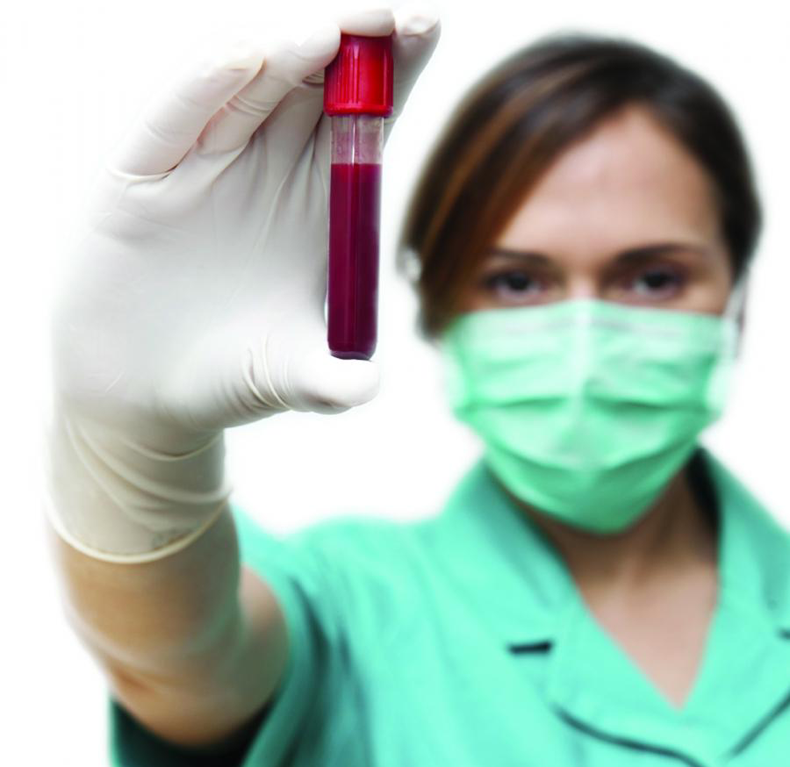
What It Takes to Become a Phlebotomist: Essential Skills, Training, & Career Pathways
Embarking on a career as a phlebotomist can be a rewarding choice for those interested in the healthcare industry. Phlebotomists play a crucial role in medical diagnostics by collecting blood samples used for testing, transfusions, and research. If you’re wondering how to become a phlebotomist, this comprehensive guide covers everything from essential skills and training requirements to career advancement opportunities. Let’s explore what it takes to excel in this vital healthcare profession.
Understanding the Role of a phlebotomist
Before diving into the path toward becoming a phlebotomist,it’s critically important to understand what the job entails. A phlebotomist is trained to draw blood from patients in hospitals, clinics, blood donation centers, and othre healthcare settings. Their responsibilities include:
- Preparing patients for blood collection
- Gathering necessary supplies and ensuring sterile procedures
- Collecting blood samples efficiently and safely
- Labeling and handling specimens properly
- Maintaining accurate records
- Providing compassionate patient care and support
Essential Skills required to Become a Phlebotomist
Success as a phlebotomist hinges on acquiring and honing specific skills. These skills ensure safe, accurate sample collection and positive patient interactions. Here are the key skills for aspiring phlebotomists:
1. Attention to Detail
Precise labeling, correct sample collection, and meticulous record-keeping prevent errors that can impact patient care.
2. Good Hand-Eye Coordination
inserting needles smoothly and accurately minimizes patient discomfort and ensures sample integrity.
3. Strong Interaction Skills
Explaining procedures clearly and providing reassurance is vital in easing patient anxiety and creating a comfortable experience.
4. Empathy and Compassion
Understanding patient needs and demonstrating kindness fosters trust and cooperation.
5. Physical Dexterity and Endurance
Handling equipment and performing multiple draws throughout the day require steady hands and stamina.
6. Knowledge of Safety and Sterilization Protocols
Adhering to health regulations is critical for preventing infections and maintaining a safe environment.
Training and Certification Requirements
Becoming a qualified phlebotomist involves completing specialized training and obtaining certification. While requirements vary by state and employer, the general pathway includes:
| Step | Description |
|---|---|
| Education | High school diploma or equivalent is typically required to enroll in phlebotomy programs. |
| Phlebotomy Training Program | Complete an accredited training program covering anatomy, blood collection techniques, safety procedures, and patient interaction. |
| Hands-On Experience | Gain practical experience through clinical internships or externships, often a component of training programs. |
| Certification | Obtain certification from recognized bodies such as the American Society for Clinical Pathology (ASCP), National Phlebotomy Association (NPA), or American Medical Certification Association (AMCA). |
| Licensing | Check state-specific licensing requirements; some states require a license to practice as a phlebotomist. |
Popular Phlebotomy Training Programs & Certification Options
- Community colleges: Offer comprehensive phlebotomy certificate programs.
- Vocational schools: Short-term courses focusing on practical skills.
- Online courses: Blended options with virtual coursework and local clinicals.
Certification Bodies to Consider
- American Society for Clinical Pathology (ASCP)
- National Phlebotomy Association (NPA)
- American Medical Certification Association (AMCA)
Career Pathways and Advancement Opportunities
Starting as a certified phlebotomist opens the door to numerous healthcare careers. Here’s a look at potential career pathways:
| Position | Description |
|---|---|
| Senior Phlebotomist | Gains experience and mentors new staff; may take on supervisory roles. |
| Medical laboratory Technician | Expands skills to include processing blood samples and performing basic lab tests. |
| Phlebotomy Instructor | Teaches future phlebotomists at training programs or colleges. |
| Healthcare Administrator | Moves into management within healthcare facilities,overseeing laboratory services. |
Practical Tips for Aspiring Phlebotomists
- Enroll in accredited training programs to ensure quality and recognition.
- Gain as much hands-on experience as possible during clinical training.
- Maintain a professional demeanor and focus on patient comfort.
- Keep updated with the latest safety protocols and certification requirements.
- Develop a strong network within the healthcare community for job opportunities.
Benefits of a Career in Phlebotomy
Choosing a career as a phlebotomist offers many advantages:
- High demand: The need for blood collection specialists is growing due to increased healthcare services.
- Relatively speedy training: Certification programs can be completed in a few months.
- Entry-level opportunities: No extensive college degree needed to start working.
- Competitive salary: As of 2023, median annual wages range from $35,000 to $45,000.
- Career growth potential: Opportunities to advance into supervisory or specialized roles.
First-Hand Experience and Case Studies
Many prosperous phlebotomists share insights about their career journey. For example, Emma, a certified phlebotomist with 5 years of experience, credits her strong communication skills and empathy for patient comfort with her career success. She emphasizes the importance of ongoing education and certifications to stay competitive and advance her career.
conclusion
Becoming a phlebotomist is a fulfilling pathway for those interested in healthcare and patient care. It requires a blend of technical skills, compassionate communication, and a commitment to safety.By completing accredited training programs, obtaining proper certification, and cultivating essential skills, you can build a rewarding career as a vital healthcare professional. Whether you’re just starting or looking to advance, the healthcare industry offers numerous opportunities for growth and stability in the field of phlebotomy.
ready to take the first step toward becoming a certified phlebotomist? Invest in proper training, develop your skills, and embrace the chance to make a meaningful difference in patients’ lives every day.