What It Takes to Become a Phlebotomist: Essential Skills, Training & Career Insights
Embarking on a career as a **phlebotomist** can be incredibly rewarding for those interested in healthcare, patient interaction, and blood collection services.As crucial members of medical teams, phlebotomists play a vital role in diagnostic testing and patient care. If you’re considering this career path, understanding the necessary skills, training requirements, and career outlook is essential for success. In this comprehensive guide, we delve into what it takes to become a professional phlebotomist, offering valuable insights to help you start your journey confidently.
Introduction to Phlebotomy: The Role of a Phlebotomist
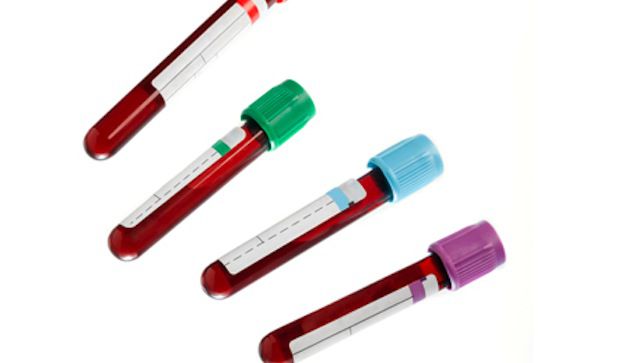
Phlebotomy is the practice of drawing blood samples from patients for laboratory testing, transfusions, or donations. These professionals work in hospitals, clinics, laboratories, blood banks, and even mobile health units. The primary goal of a phlebotomist is to obtain high-quality blood specimens while ensuring patient comfort and safety.
Essential Skills Required to Become a Phlebotomist
Success in phlebotomy depends heavily on a combination of technical skills and personal qualities. Here are the most essential skills every aspiring phlebotomist should develop:
Technical Skills
- Blood Collection Techniques: Proficiency in venipuncture, capillary draws, and heel sticks.
- Understanding of Anatomy: Knowledge of veins, arteries, and other anatomical structures.
- Specimen Handling: Proper labeling, storage, and transportation of blood samples.
- Use of Medical Equipment: Familiarity with needles, tourniquets, collection tubes, and safety devices.
- Infection Control: Adherence to strict hygiene and safety protocols to prevent contamination and accidents.
Interpersonal and Personal Skills
- Mathematical skills: Ability to accurately measure and record data, such as blood volume and test requisitions.
- Interaction Skills: Clear instructions and compassionate interaction with patients.
- Attention to Detail: Ensuring accuracy in specimen collection and labeling.
- Patience and Calmness: Handling anxious or tough patients professionally.
- Dexterity and Hand-Eye Coordination: Precise needle handling and blood collection.
Training & Certification Requirements
Becoming a certified phlebotomist involves completing a structured training program and passing certification exams. Here’s what you need to know:
Educational Requirements
Most employers prefer candidates to have at least a high school diploma or equivalent. Post-secondary programs in phlebotomy or healthcare sciences can significantly enhance your employability.
phlebotomy Training Programs
Training programs typically include:
- Theoretical coursework on anatomy, physiology, and specimen handling.
- Hands-on practice under supervision of experienced professionals.
- Instruction on safety protocols and infection control.
These courses are offered by community colleges, vocational schools, and online educational providers. They usually range from a few weeks to a few months in duration.
certification and Licensing
While certification is not mandatory in all states, obtaining it improves job prospects and demonstrates professionalism.Major certifying agencies include:
| Certification Agency | Requirements | Validity |
|---|---|---|
| American Society for Clinical Pathology (ASCP) | Completed approved training + exam | 3 years, renewable |
| National Phlebotomy Association (NPA) | Completed training + clinical experience + exam | 3 years, renewable |
| American Medical Technologists (AMT) | Training + exam | 3 years, renewable |
Steps to Start Your Phlebotomy Career
- Research state requirements and certification options.
- Enroll in a certified phlebotomy training program.
- Gain practical experience through internships or externships.
- Obtain certification if required or desirable.
- Apply for entry-level phlebotomist positions at hospitals, clinics, or laboratories.
career Outlook & Opportunities
The demand for phlebotomists continues to grow thanks to increasing healthcare needs and a rise in diagnostic testing. According to the U.S. bureau of Labor Statistics, the employment of phlebotomists is projected to grow faster than average, offering numerous job opportunities nationwide.
Salary Expectations
On average, a phlebotomist earns between $30,000 and $40,000 annually, depending on experience, location, and certification. some regions and healthcare facilities offer higher pay for specialized or experienced professionals.
Career Advancement
Experienced phlebotomists can advance to supervisory roles, training coordinators, or specialize in areas like pediatric or geriatric blood collection. Further education can also open pathways to careers in medical laboratory technology or healthcare administration.
Benefits and Practical Tips for Aspiring Phlebotomists
- Flexible Schedule: Many opportunities for part-time or evening shifts.
- Job stability: High demand and consistent need for blood collection services.
- Personal Fulfillment: Making a difference in patients’ healthcare journeys.
- Practical Tips:
- develop strong interpersonal skills to manage diverse patient interactions.
- prioritize safety and hygiene to maintain professionalism and compliance.
- Gain hands-on experience through internships for confidence and competence.
- Continually update your knowledge and certifications to stay current with industry standards.
case Study: First-Hand Experience of a Accomplished Phlebotomist
Jessica, a certified phlebotomist with five years of experience, shares her journey: ”Starting out, I trained rigorously and obtained my certification. I found that patience and empathy are key when working with anxious patients. Over time, I specialized in pediatric blood draws, which brought me great satisfaction. The job offers stability and a chance to make a tangible difference in patients’ lives.”
Conclusion
Becoming a phlebotomist is a rewarding career choice that combines technical skill, gentle patient care, and dedication. By acquiring the proper training, honing essential skills, and staying committed to professional growth, you can build a successful career in healthcare. Whether you’re just starting or considering a career change, the path to becoming a proficient phlebotomist is accessible and filled with opportunities for personal and professional progress.
Embark on your journey today by exploring training programs and certification options, and take the first step toward a fulfilling healthcare career as a phlebotomist!