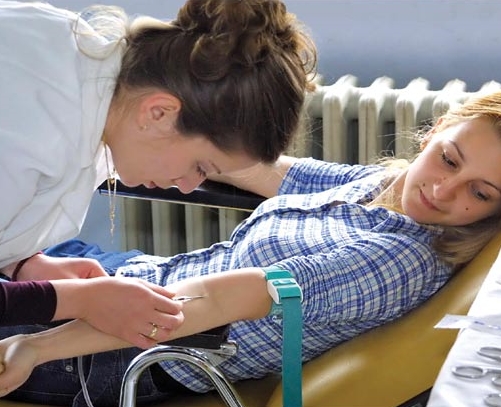
What It Takes to Become a Phlebotomist: Essential Skills, Certification & Career Guide
Are you considering a rewarding career in healthcare that combines patient interaction, technical skills, and medical procedures? Becoming a phlebotomist might be the perfect choice for you. This comprehensive guide will walk you through the necessary skills, certification requirements, career prospects, and practical tips to excel in this vital healthcare role.
introduction
Phlebotomists play a crucial role in the healthcare system by collecting blood samples for laboratory testing, transfusions, donations, and research. Thier expertise directly impacts patient diagnosis and treatment, making this profession both meaningful and in-demand. whether you’re starting to explore healthcare careers or looking to specialize, understanding what it takes to become a phlebotomist will set you on the right path toward a fulfilling job.
Essential Skills for Aspiring Phlebotomists
Successful phlebotomists possess a combination of technical skills, personal traits, and interpersonal abilities. Here are the most vital skills necessary for excelling in this profession:
1. technical Skills
- Proper blood collection techniques
- Knowledge of anatomy and physiology
- Understanding of infection control procedures
- Proficiency with lab equipment and safety protocols
2. Interpersonal and Communication Skills
- Ability to reassure and comfort nervous patients
- Clear communication of procedures and instructions
- Active listening and empathy
- Calm demeanor under pressure
3. Attention to Detail
- Accurate labeling of blood samples
- Meticulous record-keeping
- Adherence to safety standards
4. Physical Dexterity and Stamina
- Steady hand for blood draws
- Good eyesight for locating veins
- Physical stamina for long shifts
Certification and Educational Requirements
while some states permit phlebotomists to work with minimal formal training, most employers prefer candidates with certified qualifications. Here’s what you need to know about becoming a certified phlebotomist:
Educational Requirements
A high school diploma or GED is typically the minimum education requirement. Post-secondary training programs offer comprehensive coursework and practical training needed for certification.
Phlebotomy certification Options
| Certification Program | Requirements | Awards |
|---|---|---|
| American Society for Clinical Pathology (ASCP) | Completion of approved training and clinical externship | Certified Phlebotomy Technician (CPT) |
| American Medical Technologists (AMT) | Training program and minimum work experience | Registered Phlebotomy Technician (RPT) |
| National Phlebotomy Association (NPA) | Approved training program | certified Phlebotomy Technician (CPT) |
| National Healthcareer association (NHA) | Coursework & clinical practice | Certified Phlebotomy Technician (CPT) |
Steps to Obtain Certification
- Complete an accredited phlebotomy training program.
- Gain practical experience through clinical externship or internship.
- Pass the certification exam administered by a recognized certifying organization.
- Maintain certification through continuing education and periodic recertification.
Job Outlook and Career Opportunities
The demand for qualified phlebotomists is projected to grow substantially with the expansion of healthcare services. According to the U.S. Bureau of Labor Statistics, employment of phlebotomists is expected to increase by 10% from 2020 to 2030, faster than the average for all occupations.
Typical Work Settings
- Hospitals and clinics
- Blood donation centers
- Physician’s offices
- Laboratories and diagnostic testing facilities
- mobile phlebotomy services
Sample Salary Range
| Experience Level | Average Salary |
|---|---|
| Entry-Level | $30,000 – $35,000 |
| Mid-Career | $35,000 – $42,000 |
| Experienced | $42,000 – $50,000 |
Benefits and Practical Tips for Aspiring Phlebotomists
Embarking on a career as a phlebotomist not only offers job stability but also personal satisfaction. Here are some benefits and tips to succeed:
Benefits of a Phlebotomy Career
- High employment demand and job stability
- Prospect for rapid entry with minimal schooling
- Fulfilling work helping patients and saving lives
- Potential for career advancement into healthcare roles like medical assisting or lab technician
Practical Tips to Become a Successful Phlebotomist
- Invest in accredited training programs for quality education
- Practice proper technique during clinical rotations
- Enhance your communication skills for patient comfort
- Stay updated with certification requirements and industry standards
- Seek mentorship from experienced professionals
Case Study: A day in the Life of a Phlebotomist
Jessica,a certified phlebotomist with 3 years of experience,shares her typical day:
“My day usually starts with reviewing my schedule,preparing supplies,and ensuring everything is sterile. I spend most of my time drawing blood from patients-some are anxious, so I listen patiently and reassure them. Accuracy is critical, so I double-check labels and documentation. The most rewarding part is helping patients feel comfortable and knowing I contribute to their diagnosis.”
First-Hand Experience: What to Expect
Starting out as a phlebotomist can be challenging but rewarding. It’s normal to feel nervous during initial blood draws, but with practice and proper training, confidence builds. patience, compassion, and attention to detail are key traits to develop early on. Many seasoned professionals recommend volunteering or shadowing experienced phlebotomists to gain real-world insight before certification.
Conclusion
Becoming a proficient phlebotomist requires a blend of technical skills,compassionate interpersonal abilities,and proper certification. This healthcare career offers stability, growth opportunities, and the chance to make a difference in patients’ lives. By investing in accredited training, honing essential skills, and staying committed to professional development, you can embark on a successful journey in the dynamic field of phlebotomy. Whether you’re starting fresh or transitioning from another healthcare role, the path to becoming a skilled phlebotomist is well within your reach.
ready to take the first step? Explore accredited phlebotomy training programs today and begin your journey towards a rewarding healthcare career!