What It Takes to Become a Phlebotomist: Essential Skills adn Certification Requirements
Introduction
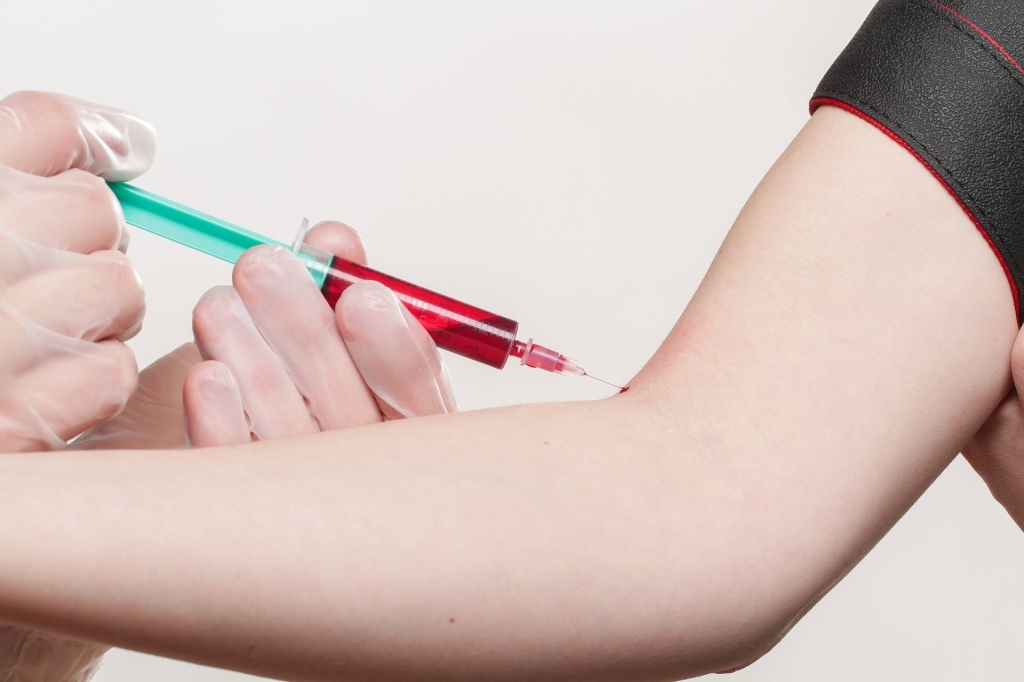
If you’re fascinated by healthcare and want a hands-on role in patient care without years of schooling,a career as a phlebotomist might be for you. Phlebotomy is the practise of drawing blood samples for tests, transfusions, research, or donations. It’s a foundational position in clinical laboratories and hospitals, enabling accurate diagnoses and effective patient treatment.
This article covers what it takes to become a phlebotomist, including the essential skills you’ll need, the typical education and training pathways, certification options, and practical tips to start a accomplished career. We’ll also share real-world insights, case studies, and resources to help you navigate the process with clarity and confidence.
What Is a Phlebotomist?
A phlebotomist is a trained healthcare professional who collects blood samples from patients or donors. this role requires precision, a steady hand, good patient communication, and strict adherence to safety and privacy standards. While the core task is blood collection (ofen via venipuncture or capillary puncture), phlebotomists also label specimens, prepare them for transport, maintain equipment, and document patient details accurately.
Essential Skills for Phlebotomists
Technical Skills
- Venipuncture technique: Safe, efficient blood draws from veins using needles and holders, with proper patient positioning and needle safety.
- Capillary collection: fingerstick or heel-stick blood collection when appropriate, especially for pediatric or difficult draws.
- Specimen handling: Proper labeling, tube placement, and color-coding to prevent mix-ups and ensure correct test processing.
- Specimen transport and storage: Knowledge of temperature, time, and transport requirements for different tests.
- Safety and infection control: Adherence to PPE, hand hygiene, needle safety, and waste disposal protocols.
- Quality assurance: Recognizing when a specimen is unacceptable and initiating corrective steps.
- Equipment maintenance: safe use and routine inspection of needles, lancets, tubes, and collection devices.
Soft Skills
- Communication: clear, calm explanations to patients; active listening to ease anxiety.
- Compassion and empathy: Sensitivity to patient concerns, language barriers, and cultural differences.
- Attention to detail: Accurate patient identifiers, precise labeling, and meticulous documentation.
- Time management: Efficiency in busy settings while maintaining safety and accuracy.
- Teamwork: Coordination with nurses, lab staff, and physicians to support patient care.
Physical and safety Considerations
- stamina for standing for long periods and performing repetitive tasks.
- good vision and hand-eye coordination for precise needle handling.
- Awareness of potential risks, including needle sticks, fainting, or difficult draws, and how to respond safely.
Education Pathways and Training Programs
Most aspiring phlebotomists follow a structured training path that combines classroom learning with hands-on clinical practice. Programs are offered by community colleges, vocational schools, hospitals, and private training providers. The typical trajectory includes a short-term certificate or diploma program, followed by a clinical practicum or externship to gain real-world experience.
Steps to Become a Phlebotomist
- Complete high school or equivalent: A solid foundation in biology and math helps, as does good reading comprehension and communication ability.
- Choose a phlebotomy program: Look for accredited or approved programs with a clinical externship component.
- Finish didactic and clinical training: Expect courses on anatomy, physiology, specimen collection, safety, and laboratory procedures, plus hands-on practice.
- prepare for certification: Plan to take a recognized phlebotomy certification exam after completing your program.
- Gain hands-on experience: Use externships or internships to build confidence, learn workflow, and network with potential employers.
- Apply for jobs and maintain credentials: Seek roles in hospitals, clinics, blood donation centers, or diagnostic laboratories; keep certifications current with CEUs.
Popular Certification Options (Overview)
Certification is highly valued in many regions and can improve job prospects,salary potential,and career advancement. Certification requirements vary by state and institution, so review each option carefully.
| certifying Organization | Credential | Focus | Exam Length (approx.) | Renewal/CEUs |
|---|---|---|---|---|
| ASCP (American Society for Clinical Pathology) | CPT – Phlebotomy technician | Venipuncture, specimen handling, safety, QA | Approx. 100-120 questions | Renewal every few years with CEUs |
| NHA (National Healthcareer Association) | Phlebotomy Technician (CPT) | Core phlebotomy skills, safety, patient interaction | Approx. 100-110 questions | Recertification every 2 years with CEUs |
| AMT (American Medical Technologists) | PBT – Phlebotomy Technician | Practical drawing techniques, specimen handling | Approx. 110 questions | CEU-based renewal every 2-3 years |
Critically important: Certification details vary by organization and region. Some states require licensure or additional requirements. Always verify the latest information from the certifying body and your state health department.
Licensure and State Requirements
In the United States,licensure for phlebotomists is not uniform. Many states rely on national certification as proof of competency, while a few require state licensure or registration.Some states also set specific requirements for clinical hours, continuing education, or employer sponsorship. If you plan to work in a particular state, check the state board of nursing, laboratory, or health department for current rules.
Career Paths and Practical Tips
Typical Career Path
- Entry-level phlebotomist in hospitals, clinics, blood banks, or diagnostic laboratories.
- Specialization opportunities: pediatric phlebotomy, geriatric care, or donor services.
- Advancement options: lead phlebotomist, supervisor, or move into related roles such as specimen processing or medical assisting.
Practical Tips to Succeed
- Choose an accredited program with hands-on clinical externships.
- Network with clinical sites during your training to secure externships and job opportunities.
- Prepare a tailored resume highlighting core skills (venipuncture, specimen handling, patient communication).
- Practice excellent safety habits and documentation-these are critical in every lab setting.
- Continue learning after certification: attend workshops, earn CEUs, and stay current with best practices in phlebotomy and patient safety.
Benefits of a Phlebotomy Career
- accessible entry point into healthcare with a relatively fast training path.
- High demand across hospitals,clinics,blood banks,and mobile phlebotomy services.
- Flexible scheduling options, including part-time and evening shifts.
- prospect to develop transferable skills for later roles in medical assisting, laboratory work, or nursing.
case Studies and First-Hand Experiences
Case Study: Maria, a Phlebotomist in a Busy Outpatient Lab
maria started with a 12-week phlebotomy program and completed a 160-hour clinical externship. In her first week on the job, she drew blood for routine tests in a fast-paced outpatient setting. She focused on patient communication, explaining each step, and using the correct tube for each test. When a patient felt faint, Maria applied her training in patient care-kneeling, offering fluids, and monitoring vitals-while ensuring the specimen was properly labeled once the patient recovered. Her supervisor noted her careful technique and calm demeanor as key strengths.
Case Study: John, Transitioning from medical Assistant to Phlebotomist
John already worked in a clinic as a medical assistant and pursued a phlebotomy certificate to broaden his skill set. He leveraged his familiarity with the clinic’s electronic records system and inventory management to streamline specimen handling.His dual training allowed him to assist with processing and inventory for phlebotomy supplies,making him a valuable team member and paving the way for advancement into a supervisory role.
Frequently Asked Questions
- Is certification required to work as a phlebotomist?
- not everywhere, but certification is highly recommended and may be required by employers or state regulations. It demonstrates competency and improves job prospects.
- How long does it take to become a phlebotomist?
- Most programs range from a few months (around 4-12 months) for a certificate or diploma, followed by optional certification exams.
- What settings hire phlebotomists?
- Hospitals, outpatient clinics, physician offices, blood banks, mobile phlebotomy services, and diagnostic laboratories.
- Do phlebotomists need to renew thier certification?
- Yes. Most certifying bodies require continuing education units (CEUs) and periodic recertification to maintain credential status.
Conclusion
Becoming a phlebotomist is a practical, impactful way to enter the healthcare field, enabling you to support patient care from the front lines. With the right combination of technical skill, patient-centered communication, and a commitment to safety and accuracy, you can build a rewarding career in phlebotomy. Start with a reputable training program, pursue a recognized certification, and seek hands-on clinical experience to set yourself apart in a competitive job market. Whether you dream of working in a busy hospital lab, a community clinic, or a mobile blood-drawing service, the essential skills and certification requirements outlined here will guide you toward a successful start in phlebotomy.