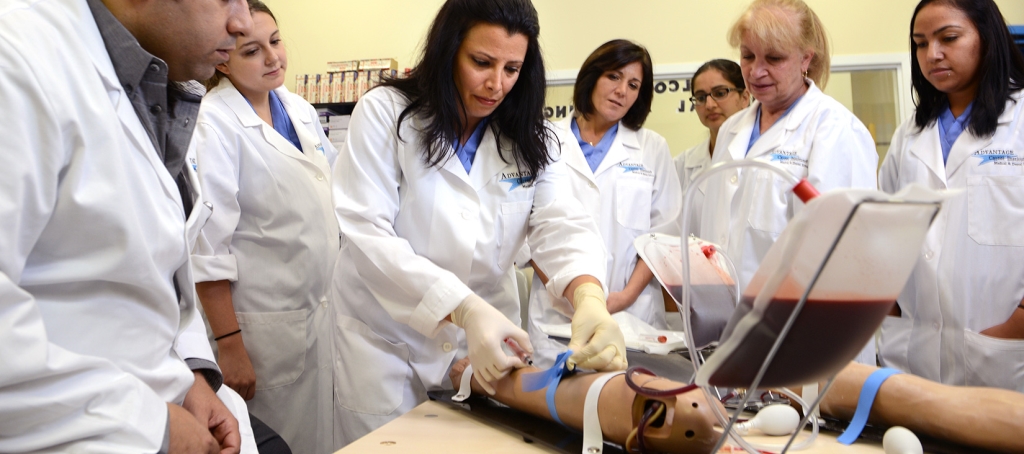
What Is Phlebotomy? A clear Definition & Essential Guide to Blood Collection Techniques
Phlebotomy is a critical procedure in teh medical field, forming the backbone of diagnostic testing, blood donation, and patient care. Whether you’re a future healthcare professional, a curious patient, or someone looking to understand more about blood collection, this comprehensive guide aims to clarify what phlebotomy is, it’s techniques, benefits, and practical tips for success.
Introduction to Phlebotomy
In simple terms, phlebotomy is the process of drawing blood from a vein or artery for lab testing, blood donation, or medical diagnosis. The term derives from the Greek words “phlebo,” meaning vein, and “tomy,” meaning incision or cutting. it’s a delicate procedure that requires skill, precision, and knowledge to ensure safety for both the patient and the healthcare provider.
Phlebotomy is performed by trained professionals known as phlebotomists,who undergo specialized training to master blood collection techniques while adhering to strict safety and hygiene standards.This procedure not only helps diagnose diseases but also plays a significant role in monitoring health,managing treatment,and supporting blood banks worldwide.
What Does a Phlebotomist Do?
- Prepares patients for blood withdrawal by explaining procedures and ensuring comfort.
- Selects appropriate veins for blood collection, frequently enough from the arm’s veins like the median cubital vein.
- Uses sterile equipment to perform blood draws efficiently and safely.
- Labels and handles blood samples appropriately for laboratory analysis.
- Maintains accurate documentation of the blood collection process.
- Ensures patient safety and comfort throughout the procedure.
Blood Collection Techniques in Phlebotomy
1. Venipuncture
the most common method in phlebotomy, venipuncture involves inserting a sterile needle into a vein, typically in the arm, to collect blood. This technique is used for most laboratory tests, blood donations, and other medical assessments.
| Step | Description | Key Tips |
|---|---|---|
| 1. Prepare equipment | Gather needles, tubes, tourniquet, and alcohol swabs. | Check for expiry dates and sterility. |
| 2. Patient positioning | Position patient comfortably, with arm extended. | Ensure vein prominence before insertion. |
| 3. Apply tourniquet | Wrap tourniquet above the elbow to engorge veins. | Limit to 1 minute to avoid discomfort. |
| 4. Cleanse site | Use alcohol swab to disinfect area. | Allow site to air dry before needle insertion. |
| 5.Insert needle | Insert at a 15-30° angle into the vein. | Adjust angle for comfort and stability. |
| 6. Collect blood | Attach collection tube and fill as needed. | Release tourniquet once blood flow is steady. |
| 7. Withdraw needle | Gently remove the needle and apply pressure. | Place cotton or gauze to stop bleeding. |
| 8. Label sample | Label samples instantly after collection. | Include patient info and collection details. |
2. Capillary Puncture
This method involves pricking the finger or heel to obtain small amounts of blood, mainly for glucose testing or blood counts.
- Ideal for pediatric or small-volume blood tests.
- Less invasive than venipuncture.
- Requires proper lancets and collection devices.
3. arterial Blood Collection
A more complex technique, primarily performed by trained medical staff to analyze blood gases. Involves arterial puncture,usually at the wrist.
Benefits of Phlebotomy
- accurate Diagnosis: Facilitates precise laboratory testing for various diseases.
- Blood Donation: Supports healthcare by providing lifesaving blood supplies.
- Monitoring Health: Helps track illness progression or response to treatment.
- Minimally Invasive: Modern techniques are designed to reduce patient discomfort.
- Cost-Effective: Blood tests are relatively affordable and essential for preventive healthcare.
Practical tips for Successful Blood Collection
- Proper Equipment: Always use sterile, high-quality supplies.
- Patient Comfort: Be gentle and communicate clearly with patients.
- Vein Selection: Choose a prominent and stable vein for easy access.
- Labelling: Label samples immediately with accurate patient details.
- Follow Safety Protocols: Wear gloves and dispose of sharps in designated containers.
- Record Details: document vital facts including site,technique,and patient reaction.
Case Study: Successful Blood Draw in a Pediatric Patient
A 5-year-old child required blood testing. The phlebotomist used a capillary prick with a child-pleasant lancet, explained the procedure to the young patient and parent, and ensured minimal discomfort. The sample was collected efficiently with no complications, demonstrating the importance of gentle technique and clear communication in blood collection.
First-Hand Experience: Challenges & Rewards
Many phlebotomists find their work highly rewarding, especially when patients are calm and the procedure goes smoothly. Common challenges include arduous veins, patient anxiety, and time constraints. Practical experience, ongoing training, and a compassionate approach are key to overcoming these hurdles and excelling in phlebotomy.
Conclusion
Understanding what is phlebotomy and how it plays a vital role in healthcare is essential for patients, aspiring healthcare workers, and anyone interested in medical sciences.From drawing blood through various techniques to ensuring patient safety and comfort, phlebotomy is a skill that requires precision, care, and professionalism. Whether for diagnostic testing or blood donation, the significance of proper blood collection techniques cannot be overstated. Embracing best practices and continuous learning in phlebotomy not only improves patient outcomes but also supports the broader healthcare system’s integrity and efficiency.