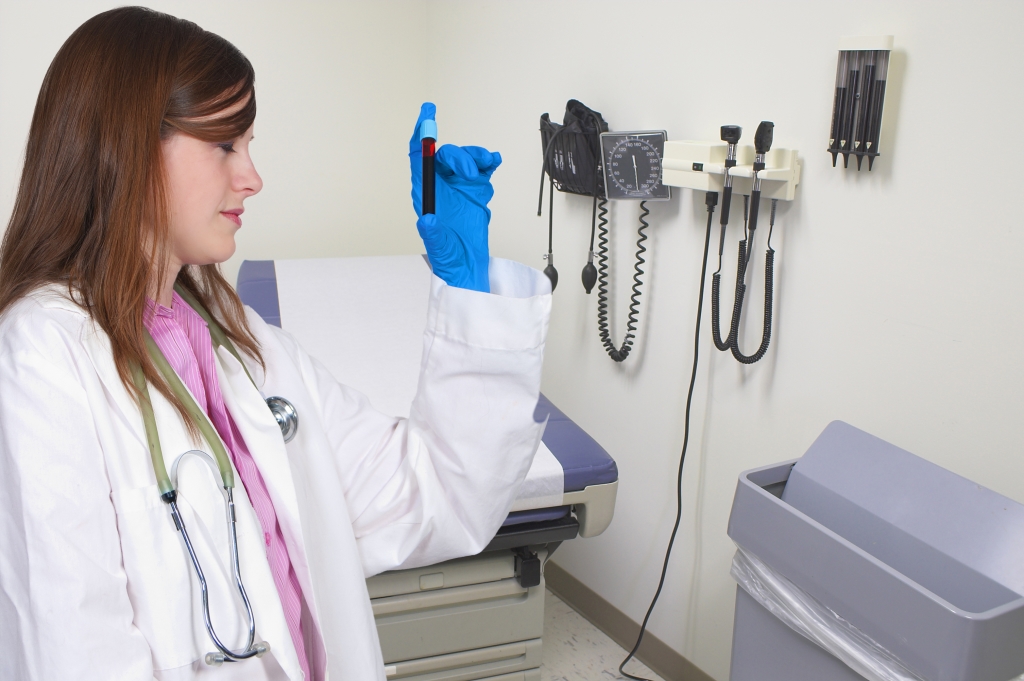
What Is a Phlebotomist? Essential Roles, Skills, and Career Insights Explained
If you’re considering a career in healthcare or simply curious about the vital medical professionals behind the scenes, understanding the role of a phlebotomist is essential. These skilled healthcare workers play a critical part in diagnosing and preventing illness by efficiently collecting blood samples for testing. In this comprehensive guide, we’ll explore what a phlebotomist does, the essential skills they need, career prospects, and practical tips for aspiring professionals.
What Is a Phlebotomist?
A phlebotomist is a healthcare professional trained in extracting blood samples from patients for laboratory testing, donation, or blood banking purposes. Their work is essential in medical diagnostics, research, and treatment, as accurate blood collection is vital for reliable laboratory analysis.
Unlike general nurses or lab technicians, phlebotomists specialize primarily in blood collection, ensuring the procedure is safe, efficient, and pleasant for the patient. This role requires a combination of technical skills, interpersonal abilities, and attention to detail.
The Essential Roles and Responsibilities of a Phlebotomist
Understanding the core responsibilities of a phlebotomist offers insight into their importance within healthcare settings. Here are the primary roles they perform daily:
1. Blood Sample Collection
- Prepare patients for blood draws, explaining procedures clearly
- Select appropriate collection sites and use proper techniques
- Use various puncture methods, such as venipuncture or fingerstick
2. Labeling and Handling samples
- Accurately label blood specimens to prevent errors
- Follow protocols for proper storage and transportation of samples
- Maintain a chain of custody for specimens if required
3. patient Care and Comfort
- Make patients feel comfortable and at ease during blood draws
- Address patient concerns and manage minor complications
- Check for allergies or contraindications prior to procedures
4. Record Keeping and Documentation
- Maintain accurate records of blood draws and patient information
- Report any issues or complications encountered
- ensure confidentiality and compliance with healthcare regulations
5. Equipment Maintenance and Quality Control
- Inspect and maintain collection equipment
- Ensure all devices are functioning properly
- report and troubleshoot equipment issues
skills Required to Be an effective Phlebotomist
success as a phlebotomist hinges on a unique blend of technical competencies and soft skills.Here are the key skills every aspiring or working phlebotomist should develop:
Technical Skills
- Proficiency in venipuncture techniques
- Knowledge of human anatomy and blood anatomy
- Understanding infection control standards
- Familiarity with laboratory procedures and safety protocols
Interpersonal Skills
- Excellent communication to explain procedures and ease patient fears
- empathy and patience, especially with anxious or tough patients
- Attention to detail to ensure specimen accuracy
- Problem-solving skills for unexpected situations
Physical and Mental attributes
- Steady hands and good dexterity
- Ability to stand for long periods
- stress management and adaptability
- Confidentiality and professionalism
Educational and certification Requirements
Becoming a certified phlebotomist typically involves completing a formal training program. Here’s what you need to know:
| Requirement | Details |
|---|---|
| Education | High school diploma or equivalent; post-secondary phlebotomy program preferred |
| Certification | Certifications available through organizations like the American Society for Clinical Pathology (ASCP) or National Phlebotomy association (NPA) |
| Training Duration | Typically 4-8 weeks of classroom and hands-on training |
| Licensing | Varies by state/country; some areas require licensing or registration |
Career Outlook and Benefits of Becoming a Phlebotomist
Entering the healthcare field as a phlebotomist offers a rewarding profession with diverse employment opportunities. Here are some career insights:
- High Job Demand: The healthcare industry continues to grow, with increased need for phlebotomy services in hospitals, clinics, laboratories, and blood banks.
- Competitive Salary: According to the U.S. Bureau of Labor Statistics, the median annual salary for phlebotomists ranges around $36,000, with potential for growth with experience and certifications.
- Adaptability: Many opportunities for part-time, full-time, or travel positions across various locations.
- Foundation for Healthcare Careers: Experience as a phlebotomist can lead to advanced roles like medical laboratory technician, patient care technician, or nursing.
practical Tips and Best Practices for Aspiring phlebotomists
If you’re interested in pursuing this profession, consider these practical tips:
- Invest in reputable training programs that offer hands-on practice
- Obtain certification to boost job prospects and credibility
- Develop excellent communication skills to handle diverse patient interactions
- Practice proper hygiene and infection control protocols diligently
- Gain experience through internships or volunteer opportunities
- Keep updated with the latest industry standards and techniques
Case Study: First-Hand Experience of a Phlebotomist
Meet Sarah, a certified phlebotomist with two years of experience working in a hospital laboratory. She shares:
“What I love most about my job is the chance to make patients feel comfortable during a stressful time. Sometimes, children or anxious adults can be challenging, but patience and a gentle approach help make the process smoother. The role requires technical precision but also a lot of compassion. It’s a rewarding profession that opens doors into more advanced healthcare careers.”
Conclusion
a phlebotomist is an essential figure in the healthcare ecosystem, responsible for collecting vital blood samples that guide diagnostics and treatment. Their mix of technical expertise, interpersonal skills, and dedicated work makes them a cornerstone of clinical operations. If you’re passionate about healthcare and enjoy working with people, pursuing a career as a phlebotomist can be both fulfilling and promising. With the right education, certification, and practical experience, you can embark on this rewarding career path and contribute substantially to patient care and medical advancements.
Whether you’re just starting your healthcare journey or looking to specialize further, understanding the roles and skills of a phlebotomist provides a strong foundation for a rewarding medical career.