What Is a Phlebotomist? A Complete Definition and Role Explained
If you’ve ever undergone a blood test or visited a medical laboratory, chances are you encountered a phlebotomist.
But what exactly does a *phlebotomist* do? What skills are required? And why are they such a vital part of the healthcare system? This comprehensive guide aims to answer all these questions and more, providing you with a clear understanding of the role of a phlebotomist, their responsibilities, and the importance they hold in medical diagnostics.
introduction
The healthcare industry relies heavily on various professionals working together to diagnose and treat patients effectively. Among these, **phlebotomists** play a crucial role by ensuring accurate and safe blood collection. Their work directly impacts laboratory testing, disease diagnosis, and patient care. Whether you’re considering a career as a phlebotomist or just curious about their role, this article offers detailed insights to help you understand this essential healthcare profession.
What is a Phlebotomist? A Clear Definition
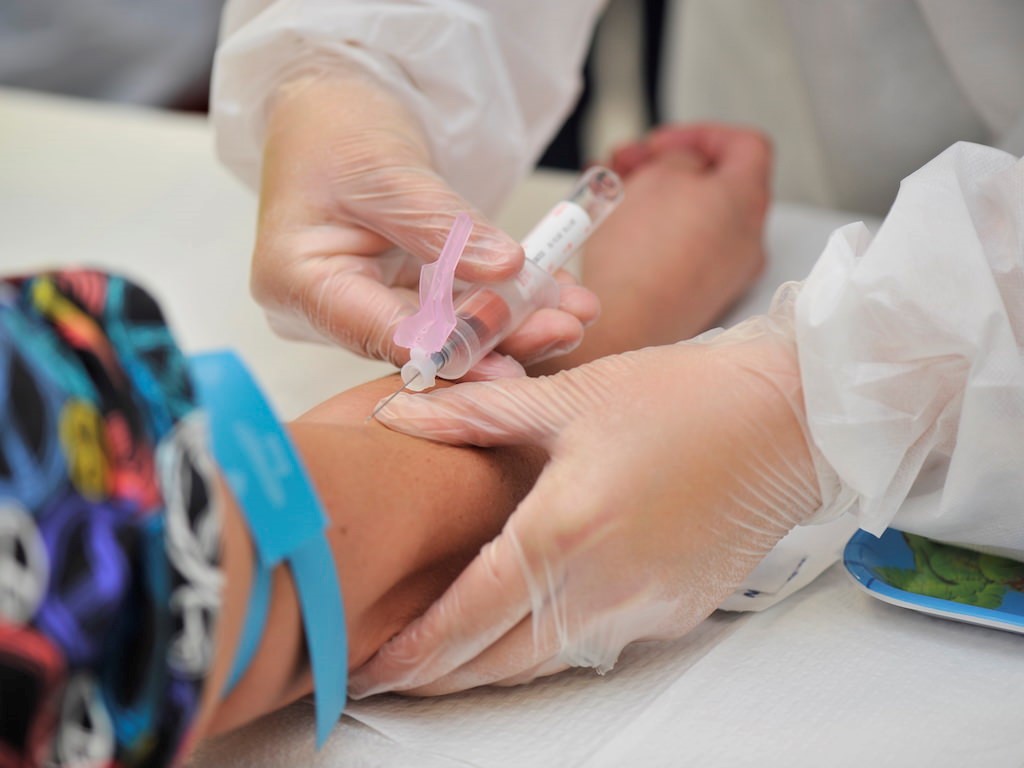
A phlebotomist is a trained healthcare professional specialized in collecting blood samples from patients for laboratory testing, transfusions, or donations.The term derives from the Greek words phlebos (vein) and tomia (cutting),reflecting the core task of piercing veins to obtain blood.
While historically frequently enough considered a technician or technician-level role, modern phlebotomy is a specialized field requiring formal training, certification, and a thorough understanding of human anatomy, safety protocols, and patient interaction.
The Key Responsibilities of a Phlebotomist
Phlebotomists are responsible for a wide array of tasks, all centered around the safe and accurate collection of blood samples. Here are some of their primary duties:
Blood Collection
- Properly identify patients to prevent errors
- Choose appropriate venipuncture sites
- Use sterile techniques to perform blood draws
- Handle and label blood samples correctly
- Ensure patient comfort and minimize discomfort during the procedure
Patient Interaction
- Explain procedures clearly to patients
- Address patient concerns and anxieties
- Assist patients with special needs or conditions
Laboratory Support
- Prepare samples for testing
- Store and transport blood samples safely
- Maintain accurate records of all collected samples
Compliance and Safety
- Follow OSHA and other safety standards
- Use personal protective equipment (PPE)
- Dispose of sharps and biohazard waste properly
skills and Qualities of a Successful Phlebotomist
To excel in this role, a phlebotomist must possess a specific set of skills and personal qualities, including:
- Attention to detail: Precision in identifying patients and labeling samples
- Good dexterity: Steady hands for venipuncture
- Communication skills: explaining procedures and calming anxious patients
- Empathy and patience: Supporting patients through perhaps uncomfortable procedures
- technical knowledge: Understanding of anatomy, blood collection techniques, and safety procedures
- Resilience: Handling repetitive procedures and sometimes arduous patients gracefully
educational Pathways and Certification for Phlebotomists
Getting started as a phlebotomist typically involves completing a formal training program, which can vary in length from a few weeks to several months. Many programs are offered by community colleges, vocational schools, or healthcare institutions.
Certification requirements differ depending on the state or country, but obtaining certification from recognized bodies such as the American society for Clinical Pathology (ASCP) or the National Healthcareer Association (NHA) can enhance job prospects and professional credibility.
Typical Certification Process
| Step | Description | Benefits |
|---|---|---|
| Complete training program | Complete coursework and hands-on training in blood collection techniques | Foundation of skills needed for certification |
| Pass certification exam | Assess knowledge of venipuncture, safety, and patient care | Certification prestige and improved employability |
| Maintain certification | Earn continuing education credits periodically | Stay updated with industry standards |
The Benefits of Being a Phlebotomist
Choosing a career as a phlebotomist offers numerous advantages:
- Growing job demand: increased need in hospitals, clinics, and laboratories
- Competitive salary: Entry-level positions provide a good income with room for advancement
- Opportunities for specialization: infectious disease, pediatric phlebotomy, or mobile blood drives
- Rewarding work: Directly impacting patient care and health outcomes
- Flexible work environments: Hospitals, outpatient clinics, blood banks, blood donation centers
Practical Tips for Aspiring Phlebotomists
- Gain hands-on experience through internships or externships during training
- Emphasize customer service and empathy in interactions
- Stay updated on safety protocols and emerging best practices
- Develop steady hands and confidence in venipuncture techniques
- Build strong communication skills to calm nervous patients
Case Study: A Day in the Life of a Phlebotomist
Jessica is a certified phlebotomist working in a busy hospital outpatient lab. Her typical day involves:
- Greeting patients and verifying their identity
- Explaining blood draw procedures to first-time patients
- performing venipuncture accurately and safely
- Labeling samples and recording collection details
- Assisting with sample processing and transporting to the lab
- Maintaining cleanliness and safety standards throughout her shift
Jessica finds her work fulfilling because she helps diagnose and monitor health conditions, making a tangible difference in patient lives every day.
First-Hand Experience: What Patients Say
Many patients appreciate the professionalism and compassion of trained phlebotomists.Testimonials frequently enough highlight their calm demeanor, clear communication, and gentle technique, which significantly reduces anxiety during blood draws.
This firsthand outlook underscores the importance of a well-trained and empathetic phlebotomist in delivering positive healthcare experiences.
Conclusion
The role of a phlebotomist is vital in the realm of healthcare, serving as the bridge between patients and laboratory diagnostics. Their skills in blood collection, patient care, and safety contribute directly to accurate testing and effective medical treatment. whether considering this career path or seeking to understand its significance, it’s clear that phlebotomists are indispensable members of the medical team.
With growing demand, rewarding work, and opportunities for specialization, becoming a certified phlebotomist can be a fulfilling choice in the healthcare industry. If you’re compassionate, detail-oriented, and interested in helping others, this profession might be an excellent fit for you.