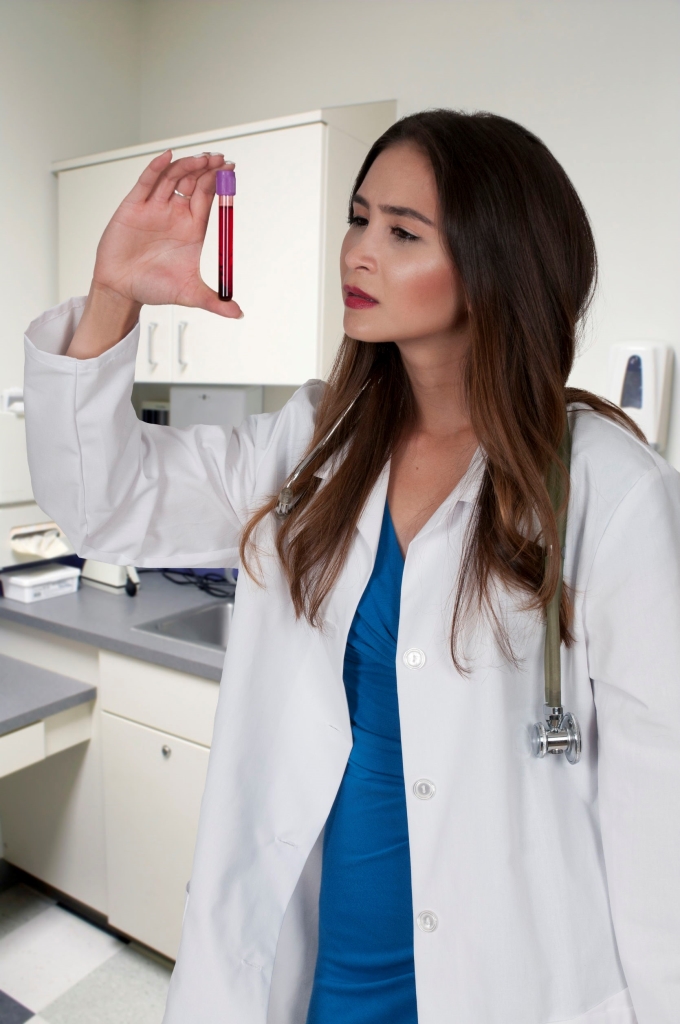
What Education Is Required to Become a Phlebotomist: Your Complete guide to Starting a Medical Career
Introduction: Why a phlebotomist Might Be Your Ideal Entry into Healthcare
if you’re considering a healthcare career that’s fast to start, hands-on, and in high demand, becoming a phlebotomist is a compelling option. Phlebotomists are the frontline professionals who collect blood samples for testing, transfusions, and donations. The good news is that you don’t always need a four-year degree to begin-many reputable programs lead to a certificate or diploma in a matter of months. In this guide, you’ll learn what education is required to become a phlebotomist, the different pathways, typical costs and durations, certifications, and practical tips to launch your medical career with confidence.
Understanding the Role: What a Phlebotomist Does
A phlebotomist’s core responsibilities include preparing patients for blood draws,selecting appropriate collection sites (veins or choice sites when necessary),labeling specimens,following strict safety and infection-control protocols,and ensuring specimens reach the laboratory intact and on time. In many environments-hospitals, clinics, urgent care, and blood banks-phlebotomists work as part of a healthcare team. Strong communication, meticulous technique, and superior patient care skills are essential.
- Venipuncture and capillary collection techniques
- Specimen labeling, handling, and transportation
- Safety protocols, OSHA guidelines, and CLIA compliance
- Blood collection order of draw and specimen integrity
- Customer service and patient comfort, especially with anxious or pediatric patients
Education Pathways: How to Become a Phlebotomist
certificate, Diploma, or Associate Degree: Choosing Your path
Most entry-level phlebotomy roles require at least a postsecondary certificate or diploma. Some programs offer a short, focused training track that culminates in a certificate, while others provide a more extensive curriculum that leads to a diploma or, less commonly, an associate degree. Key considerations when choosing a path:
- Time to complete: Certificates frequently enough take a few months; diplomas may take 6-12 months; an associate degree typically takes about two years.
- Job prospects: Most employers accept a certificate or diploma, but an associate degree can expand opportunities in clinical settings.
- Clinical practicum: Look for programs that include hands-on clinical hours in real-world settings.
Online vs. In‑Person Training
Online or hybrid programs can offer versatility, especially if you’re working or managing family responsibilities. Ensure the program includes an in-person lab component and a clinical practicum to gain practical, supervised experience. In-person options can provide immediate hands-on feedback, which many students value for mastering venipuncture techniques.
Accreditation and Program Quality
Enroll in programs offered by accredited institutions or those accredited by recognized accrediting bodies for allied health education. Accreditation helps ensure your credential is recognized by employers and that you’ll receive a complete, standards-based education.
Cost and Duration: What to Expect
Costs vary by location, program type, and whether you’re studying full-time or part-time. On average:
- Certificate programs: typically $600-$3,000
- Diploma programs: around $2,000-$6,000
- Associate degree programs: roughly $6,000-$20,000 (tuition-only, excluding textbooks and supplies)
Always request a detailed breakdown of tuition, lab fees, scrubs, textbooks, and any required clinical fees before enrolling.
Licensure, Certification, and Regulation
In the United states, most states regulate phlebotomy practice through certification and employer requirements rather than worldwide state licensure.You’ll likely need to complete a phlebotomy training program and obtain a national certification to meet employer expectations. Some states may require additional credentials or specific certifying bodies. Always verify local regulations and employer requirements before enrolling.
Practical Pathways: On-the-Job Training and apprenticeships
Many health systems offer on-the-job training or formal apprenticeships for aspiring phlebotomists.These routes can be shorter and allow you to earn while you learn, though you’ll still need to complete an approved training program and pass a certification exam to advance.
Core Curriculum: What You’ll Learn
Expect a mix of classroom theory, hands-on technique, and clinical practice. The following subjects are commonly covered:
- anatomy and physiology basics related to the circulatory system
- Medical terminology and common lab tests
- Blood collection techniques: venipuncture and capillary sampling
- Specimen handling, labeling, and transportation
- Specimen integrity, hemolysis prevention, and proper tourniquet use
- Safety protocols, infection control, and universal precautions
- CLIA and OSHA standards for clinical laboratories
- Patient interaction, cultural sensitivity, and ADA considerations
phlebotomy Certification: What It Is and Why It Matters
certification validates your competency and helps improve job prospects. Several national certifying bodies offer phlebotomy certifications, including:
- National Healthcareer Association (NHA) – Phlebotomy Technician Certification (CPT)
- American Society for Clinical Pathology (ASCP) – Phlebotomy Technician (PBT)
- National Center for Competency Testing (NCCT) – Phlebotomy Technician
- American Certification Agency (ACA) – Phlebotomy Technician Certification
Requirements typically include completing an approved training program, a clinical practicum, and passing a certification exam. some employers may sponsor or reimburse certification costs, and many job postings explicitly state “certified phlebotomy technician” as a minimum qualification. Always check the specific certification you plan to pursue and how employers in your area view it.
Job Outlook, Salary, and Career Growth
Phlebotomy remains a stable entry point into healthcare with steady demand.Benefits of the role include:
- Flexible scheduling options, including evening and weekend shifts
- Numerous entry-level opportunities in hospitals, clinics, blood banks, and diagnostic laboratories
- Clear pathways to advanced roles in laboratory technology or patient-care positions
- Vocabulary and skills that transfer to related healthcare fields
Salary varies by region, experience, and the setting. With experience and certification, phlebotomists can advance into senior patient-care roles or pursue further education in allied health fields.
Benefits and Practical Tips for Prospective Students
- Choose programs with hands-on clinical practicums in real labs and patient settings.
- Look for accredited programs and supportive career services, including job-finding assistance.
- Plan for certification costs and exam readiness time in your schedule.
- Take advantage of lab skills workshops, CPR/First Aid training, and patient communication classes.
- Network with local hospitals, clinics, and blood donation centers to learn about on-the-job expectations.
Firsthand Experience: A Real-World Path to Phlebotomy
Meet Maya,who started with a one-semester certificate in phlebotomy. She chose a program with a built-in practicum at a regional hospital. after completing her hands-on training, she sat for a national certification exam (phlebotomy technician) and landed a full-time role in the hospital outpatient lab within two months.
Maya’s advice for new students: prioritize programs that offer a robust clinical component, practice venipuncture under supervision, and prepare for patient-facing roles as much as blood draws. She notes that even when blood draws feel challenging at first, consistent practice and feedback from experienced mentors make a big difference.
Typical Education Pathways: Speedy Reference
| Program Type | Typical Duration | Approximate Cost |
|---|---|---|
| Certificate in Phlebotomy | 1-6 months | $600-$3,000 |
| Phlebotomy Diploma | 6-12 months | $2,000-$6,000 |
| Associate Degree (AS) in Phlebotomy or Clinical Laboratory Technician | 2 years | $6,000-$20,000 |
Note: Costs vary by provider, location, and whether the program includes a practicum. Consider tuition, lab fees, and cert exam costs when planning.
Frequently Asked Questions
Do I need a four-year degree to become a phlebotomist?
Generally no. Most positions require a postsecondary certificate or diploma. An associate degree can broaden opportunities, but it’s not required for entry-level roles in most settings.
Is phlebotomy certification mandatory?
Certification is often preferred or required by employers, and some states require it for employment.Check local regulations and the certifications valued by employers in your area.
How long does it take to become a phlebotomist?
Most fast-track certificate programs take a few months. If you pursue a diploma or associate degree, plan for 6-24 months, depending on the program and your study pace.
What should I look for in a phlebotomy program?
Look for accredited programs with a solid clinical practicum, a clear pathway to certification, job placement support, and options that fit your schedule (in-person, online, or hybrid).
Conclusion: start Your Medical Career Today with a Solid Education in Phlebotomy
If you’re ready to embark on a medical career that’s impactful, accessible, and in steady demand, phlebotomy education offers a practical and rewarding path. By choosing the right program-one that combines theory with hands-on practice, aligns with recognized certifications, and provides real-world clinical experience-you’ll position yourself for success in outpatient labs, hospitals, and diagnostic centers. Remember to consider accreditation, practicum opportunities, costs, and your own schedule when selecting a program. With dedication, you can become a competent phlebotomist who helps patients and supports healthcare teams every day.
ready to start? Explore local phlebotomy programs, compare curricula, and talk to instructors about clinical rotations. Your medical career as a phlebotomist begins with the right education-and the commitment to patient care that makes that education worthwhile.