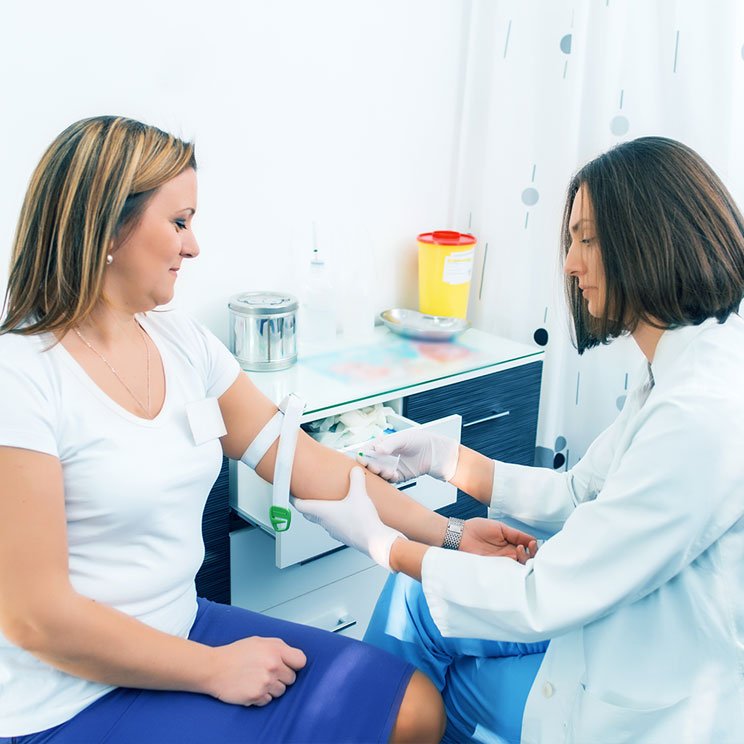
What Do Phlebotomists Do? A Complete Breakdown of Their Role in healthcare
If you’ve ever had a blood test, chances are you’ve encountered a phlebotomist. These trained healthcare professionals play a crucial role in the diagnostic process, patient care, adn overall health management. But what exactly do phlebotomists do? In this comprehensive guide, we’ll explore the responsibilities, skills, benefits, and real-world impact of phlebotomists in the healthcare system.
Introduction
Phlebotomy, the act of drawing blood for laboratory testing, is a vital component of modern medicine. Behind the scenes,phlebotomists are the professionals who perform this essential task with precision,compassion,and professionalism. Their work ensures that healthcare providers receive accurate blood samples necessary for diagnosing diseases, monitoring health conditions, and guiding treatment plans. If you’re considering a career in healthcare or simply curious about this critical role, read on to explore what phlebotomists do and why their work matters so much.
Who Are Phlebotomists?
Phlebotomists are specialized healthcare workers trained in collecting blood samples from patients.They work in a variety of settings, including hospitals, clinics, laboratories, blood donation centers, and physician offices. Their primary goal is to obtain high-quality blood specimens while providing a comforting experience for patients, often under time-sensitive conditions.
The Key Responsibilities of phlebotomists
1. Patient Identification and Preparation
- Confirm patient identity accurately before drawing blood
- Explain procedures to reduce patient anxiety
- Ensure patient comfort and safety during blood collection
2. Blood Collection Procedures
- Perform venipuncture using sterile techniques
- Capillary puncture for infants and small children
- Handle and label specimens correctly to prevent errors
3. Equipment Handling and Maintenance
- Prepare needles, tubes, and other accessories
- Ensure all equipment is sterile and properly disposed of after use
- Calibrate and troubleshoot collection devices as needed
4. Documentation and Record-Keeping
- Accurately record patient details and test orders
- Label specimens with patient details and collection time
- Notify healthcare providers of any issues during collection
5.Maintaining Safety and Compliance
- Follow biohazard safety protocols
- Adhere to OSHA and CDC guidelines on infection control
- Report and manage exposure incidents promptly
Skills and Qualities of a Triumphant Phlebotomist
Being a phlebotomist requires more than technical skills. Successful professionals possess qualities such as:
- Excellent communication skills to comfort anxious patients
- Attention to detail for accurate labeling and record-keeping
- Manual dexterity for precise blood collection
- Problem-solving abilities to adapt to diverse patient needs
- Empathy and patience to build trust and ease patient discomfort
practical Tips for Aspiring phlebotomists
- Obtain proper certification through accredited programs
- Gain hands-on training in a clinical setting
- Develop strong interpersonal skills
- Stay updated on safety protocols and new procedures
- Practise good hygiene and infection control
The Benefits of a Career in Phlebotomy
Choosing a career as a phlebotomist comes with several advantages:
- high demand in healthcare facilities
- Relatively speedy certification process
- Opportunities for professional growth and specialization
- Competitive salary and benefits
- Importance and impact in patient diagnosis and care
Case Studies: The Impact of Phlebotomists in Healthcare
| Scenario | Role of Phlebotomist | Outcome |
|---|---|---|
| Emergency blood draw in ICU | Rapid blood collection ensuring timely diagnosis | Improved patient prognosis and swift treatment |
| Blood donation drive | Screened donors, collected blood safely | Saved lives through blood supplies |
| Pediatric patient requiring labs | Performed gentle venipuncture to reduce distress | Positive patient experience and accurate samples |
First-Hand Experience: A Day in the Life of a Phlebotomist
Many phlebotomists describe their daily work as rewarding and dynamic. They frequently enough start their shift preparing supplies, reviewing patient schedules, and setting up collection stations. Throughout the day, they interact with diverse patients—children, elderly, and those with special needs—requiring patience and adaptability. they must stay alert to safety procedures while maintaining a compassionate approach to alleviate patient fears. Their meticulous work ensures the integrity of laboratory results, ultimately supporting effective medical decision-making.
Conclusion
Phlebotomists are indispensable in the healthcare ecosystem, serving as the frontline in blood sample collection, diagnostic accuracy, and patient care.Their blend of technical expertise, interpersonal skills, and dedication ensures that physicians receive reliable data to make life-saving decisions. Whether you’re considering a career in healthcare or aiming to understand more about medical professionals, recognizing the vital role of phlebotomists helps appreciate their contributions to better health outcomes. If you’re interested in entering this rewarding field, now is an excellent time to pursue training and become a valued member of the healthcare team.