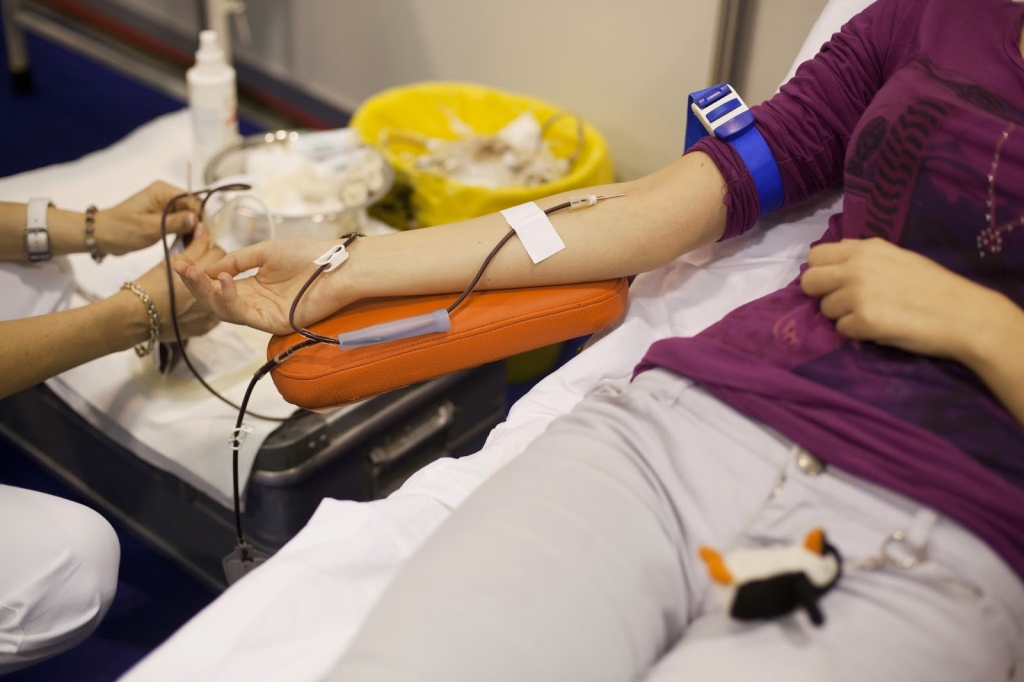
What Are the Essential Steps to Become a Certified Phlebotomist?
If you’re considering a rewarding career in healthcare, becoming a certified phlebotomist is an excellent choice. This vital role involves drawing blood samples for tests, transfusions, or donations, and requires a combination of technical skills, compassion, and attention to detail. In this comprehensive guide, we’ll explore the essential steps to help you become a certified phlebotomist, along with practical tips, benefits, and real-world insights.
Introduction
Phlebotomy is a growing healthcare profession with promising job prospects. Thanks to advancements in medical testing and diagnostics, the demand for skilled phlebotomists continues to rise. If you’re preparing to embark on this career path, understanding the necessary steps-from education and training to certification-is crucial. This article provides a step-by-step roadmap, ensuring you have all the essential information to succeed.
Why Become a Certified Phlebotomist?
- High demand for skilled professionals: Hospitals,clinics,and laboratories are seeking qualified phlebotomists.
- Entry-level healthcare career: No extensive prior experience required, making it accessible for many.
- Competitive salary: According to the U.S. Bureau of Labor Statistics, the median annual wage for phlebotomists was approximately $36,000 in 2022.
- Opportunities for advancement: certifications can open doors to roles like supervisory or specialized technician roles.
- Contributing to patient care: You play a critical role in diagnosing and managing patient health.
Essential Steps to Become a Certified Phlebotomist
1. Understand the Education & Prerequisites
Before starting your journey, ensure you meet basic requirements:
- Minimum high school diploma or GED
- Age requirement typically 18+ years
- clear background checks and health screenings (varies by state)
While formal college degrees are not mandatory, completing a phlebotomy training program is highly recommended for comprehensive knowledge and skills.
2. Enroll in a Certified Phlebotomy Training program
Select a reputable training program that offers comprehensive coursework, hands-on practice, and prepares you for certification. Look for programs accredited by organizations such as the National Accrediting Agency for Clinical Laboratory Sciences (NAACLS) or similar bodies.
Key components of a quality program include:
- Classroom instruction on anatomy, safety procedures, and specimen handling
- Practical skills training in phlebotomy techniques
- Training in infection control and patient interaction
3. Gain Hands-On Experience
Most training programs include supervised clinical practice, which is vital for building confidence and proficiency. During this phase, you’ll draw blood samples under supervision, getting real-world exposure to diverse patient scenarios.
| Experience Type | Duration & Setting |
|---|---|
| Clinical Practice | 150 hours in hospitals, labs |
| Observation & Assisting | Work alongside experienced phlebotomists |
4. Obtain Certification
Once your training and practical experience are complete, the next step is to pass a certification exam. Certification demonstrates your competency and commitment to the profession.
Popular certifying agencies include:
- American Society for Clinical Pathology (ASCP)
- national Healthcareer Association (NHA)
- American Medical Technologists (AMT)
Eligibility requirements vary by association but typically include completing a training program and having a certain number of supervised phlebotomy hours.
5. Pass the Certification Exam
The exam usually consists of multiple-choice questions covering topics such as:
- Anatomy and physiology
- Blood collection techniques
- Safety and infection control
- Patient interaction and communication
With adequate preparation and practice, passing the exam is entirely achievable. Many certification bodies offer practice tests to help candidates prepare effectively.
6. Obtain State Licensure & Maintain Certification
Check your state’s requirements,as some states require licensure or registration to practice legally. Staying certified frequently enough involves continuing education courses to keep up with industry standards and maintain your credentials.
| Renewal Period | Continuing education |
|---|---|
| Every 2 years | 10-20 hours of CE credits |
Benefits & Practical Tips for Aspiring Phlebotomists
Benefits of Certification
- improved job prospects and higher earning potential
- Increased trust from employers and patients
- Opportunities for specialization in areas like Pediatric Phlebotomy or Blood Banking
- Greater confidence and competence in practice
Practical Tips
- Choose accredited programs: Ensure your training meets industry standards for better job readiness.
- Practice your skills: Take advantage of clinical practice opportunities to refine techniques.
- Stay informed: Keep up-to-date with the latest best practices and safety guidelines.
- Network: Join professional associations such as the American society for Clinical Pathology for resources and job leads.
- Prepare thoroughly for exams: Utilize practice tests and study guides to boost confidence.
Real-Life Success Stories
Meet Sarah,a certified phlebotomist who transitioned from a customer service role to healthcare. After completing her training and certification, she secured a position at a major hospital and now enjoys making a difference in patients’ lives.Her story highlights how dedication and proper training can open doors to a fulfilling healthcare career.
Conclusion
Becoming a certified phlebotomist is a rewarding step toward entering the healthcare field. The process involves obtaining relevant education, gaining practical experience, passing certification exams, and maintaining your credentials. With the high demand for skilled phlebotomists and a clear career pathway, now is an excellent time to start your journey. Follow these essential steps, invest in quality training, and pursue continuous professional advancement to build a successful and meaningful career in phlebotomy.
Embark on this path today and play a vital role in patient diagnosis, treatment, and overall healthcare betterment!