What Are the Education requirements to Become a Phlebotomist? A Complete Guide
Starting a career as a phlebotomist can be an excellent choice for those interested in healthcare and patient care without committing to lengthy medical degrees. But what are the education requirements to become a phlebotomist? In this comprehensive guide, we’ll explore everything you need to know- from necessary certifications and training programs to skills and practical tips for launching your career in this vital healthcare field.
Understanding the Role of a Phlebotomist
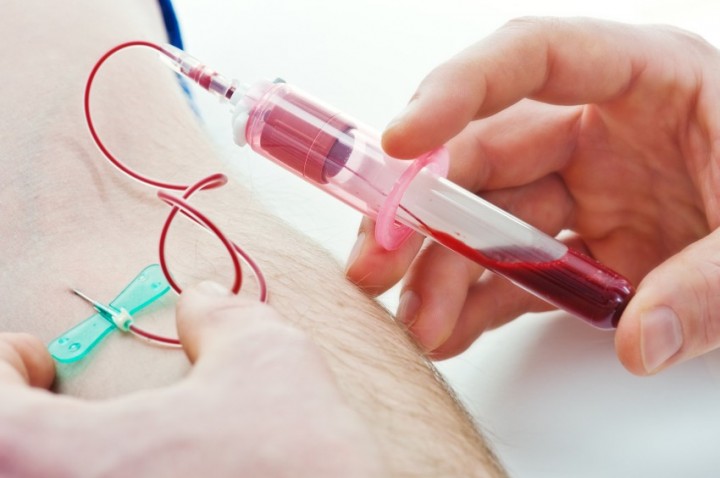
Phlebotomists are healthcare professionals trained to draw blood samples from patients for testing, transfusions, or donations. Their role is crucial in medical diagnostics,ensuring accurate test results that influence patient treatment plans. Because of their vital role, phlebotomists must undergo specific training and meet education standards to ensure cleanliness, safety, and patient comfort.
Basic Education Requirements
Most states and employers require aspiring phlebotomists to meet certain basic educational criteria. Generally, thes include:
- High school diploma or GED: The foundational requirement for entering phlebotomy training programs or certification courses.
Phlebotomy Training Programs and Certification
While a high school diploma is the minimum educational requirement, completing a formal training program and obtaining certification significantly enhances employability and credibility.
Types of Phlebotomy Education Programs
| Program Type | Duration | Content Covered |
|---|---|---|
| Certificate Programs | 4-12 weeks | Blood collection techniques, safety procedures, anatomy, anatomy, HIPAA compliance |
| Diploma or Associate Degree | 6 months to 2 years | Advanced clinical skills, healthcare fundamentals, patient dialog |
Certification Requirements
Certification is highly recommended and often required by employers and state licensing boards. The most recognized certifications include:
- National Phlebotomy Certification (NHCSS or ASPT): Offered by recognized organizations, requiring completion of an approved program and passing an exam.
- American Society for Clinical Pathology (ASCP) Certification: For those with more experience and advanced training.
State Licensing and Legal Considerations
While most states do not require phlebotomists to hold a license, a few states mandate licensure or registration. It’s essential to verify the specific requirements in your state to ensure compliance.
Skills and Qualifications Needed
Beyond formal education, successful phlebotomists possess several key skills, such as:
- Attention to detail: Ensuring correct blood sample collection and labeling.
- Good interpersonal skills: Comforting and reassuring patients of all ages.
- Manual dexterity: Precise and steady blood draw techniques.
- Knowledge of safety protocols: Infection control and proper disposal of sharps.
Practical Tips for Aspiring Phlebotomists
If you’re considering entering the field, here are some practical tips:
- Research local training options: Find accredited programs nearby or online.
- Gain hands-on experience: Volunteer or seek internships during your training.
- Stay current with certifications: Maintain and renew your credentials as required.
- Develop strong communication skills: Building rapport with patients improves their experience and your effectiveness.
Benefits of Becoming a Phlebotomist
Choosing a career in phlebotomy offers numerous advantages:
- Short training periods: Reach employment readiness in a few months.
- High demand: The healthcare industry constantly needs skilled phlebotomists, ensuring job stability.
- Entry into healthcare: Gain foundational experience that can lead to advanced healthcare roles.
- Rewarding work: Helping patients and contributing to vital diagnostics provide a sense of accomplishment.
Case Study: Pathway to a Successful Phlebotomy Career
Anna’s Journey: Anna, a high school graduate, decided to pursue a career in healthcare. She enrolled in a 3-month certified phlebotomy training program, obtained her national certification, and applied to local clinics. Within months, Anna found employment, appreciating the fast-paced habitat and patient interactions. her journey illustrates how targeted education and certification open doors to a fulfilling career in healthcare.
First-Hand Experience: What to Expect During Training
during your training, expect to learn:
- Proper blood collection techniques
- Understanding anatomy and physiology
- Safety and infection control
- Patient communication and handling difficult veins
Hands-on practice is a core component, often involving supervised blood draws on mannequins and real patients under instructor guidance.Building confidence and proficiency is crucial before entering the workforce.
Conclusion
Becoming a phlebotomist is an excellent career choice for those interested in healthcare, offering a blend of technical skill, patient interaction, and rapid career entry. The essential education requirement is a high school diploma or GED, supplemented by specialized training and certification. By investing in proper education and honing key skills, you can secure a rewarding role in the healthcare system, making a lasting impact on patients’ lives. If you’re ready to embark on this path, start exploring accredited training programs and certification options today-your healthcare career awaits!