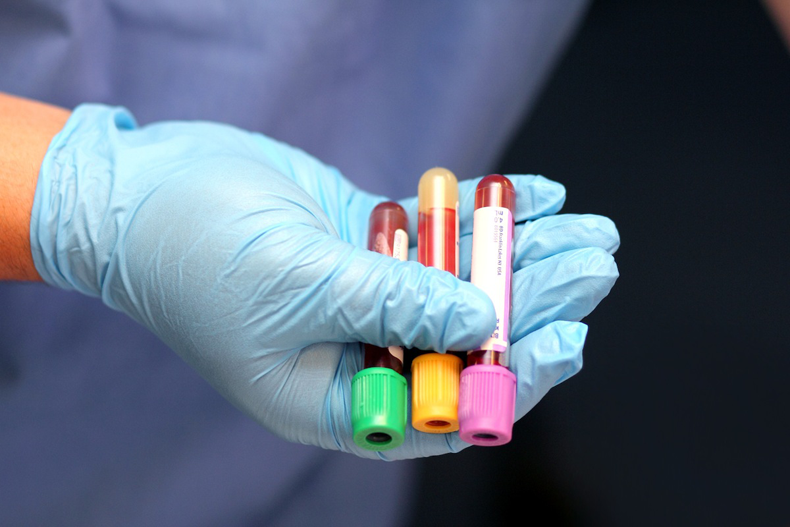
What are the Education Requirements for a Phlebotomist? Your Complete Guide to Certification and Training
If you’re considering a hands-on health-care career with steady demand, becoming a phlebotomist is a compelling choice. Phlebotomists play a critical role in patient care by collecting blood samples for testing, which helps physicians diagnose and treat illnesses. This complete guide breaks down the education requirements, training options, and certification paths to help you start or advance your career in phlebotomy with clarity and confidence.
Introduction: Why Phlebotomy Education Matters
Education sets the foundation for a successful phlebotomy career. Not only does proper training ensure you can collect high-quality samples safely and efficiently, but it also helps you meet employer expectations and state requirements. Weather you aim to work in a hospital, clinic, blood donation center, or private lab, a solid education plus the right certification can open doors and boost job prospects.
Understanding the Role of a Phlebotomist
Phlebotomists are trained to:
- Prepare patients and collect blood samples using venipuncture or capillary collection techniques
- Follow safety and infection-control protocols to protect patients and staff
- Process specimens for laboratory testing and communicate results to healthcare teams
- Assist with specimen handling, routing, and basic lab duties as needed
Key skills for success include attention to detail, steady hands, excellent communication, empathy for patients, and the ability to work efficiently under pressure. Strong foundational knowledge in anatomy and physiology, medical terminology, and safety practices will serve you well in any phlebotomy role.
Education Requirements at a Glance
While exact requirements can vary by state and employer, most aspiring phlebotomists need the following minimal education and credentials:
- High school diploma or GED or equivalent
- completion of a formal phlebotomy training program (certificate, diploma, or associate degree)
- Certification from a recognized certifying body (often preferred or required by employers)
- Basic computer literacy and familiarity with laboratory safety protocols
In practice, many employers require either a certificate or diploma in phlebotomy, followed by certification from one of the major certifying organizations. Some positions may also require state licensure or registration, so it’s significant to verify local requirements before enrolling in a program.
Training Options: Certificate, Diploma, and Degree
Phlebotomy education comes in several formats. Your choice depends on your goals, schedule, budget, and how quickly you want to enter the workforce. Here are the most common pathways:
Certificate Programs
A certificate program is designed to teach the essential skills for entry-level phlebotomy in a short timeframe, often 8-16 weeks. These programs focus on hands-on practice, specimen collection, safety, and basic patient communication. They’re a popular option for adults returning to school or professionals seeking a career change.
Diploma Programs
Diploma programs typically take 9-12 months to complete and may cover more in-depth topics, including anatomy and physiology, blood collection procedures, specimen handling, and clinical rotations. A diploma can strengthen your resume and may lead to more job opportunities or pathways to further study.
Associate Degree Programs
For those who want broader career options in healthcare, an associate degree (AA or AS in Phlebotomy or Allied Health) usually takes about two years. These programs include general education courses alongside phlebotomy content, providing a well-rounded foundation that can support advancement into supervisory roles, lab tech positions, or further education in related fields.
Online vs. In-Person Training
Online phlebotomy programs are available, often combining a virtual lecture component with a required in-person skills lab or clinical externship. in-person training offers more hands-on practice and direct supervision, which many students value for mastering venipuncture techniques. If you choose online,confirm that the program includes an approved clinical externship component and that the credential will be recognized by local employers.
Certification: Why It’s Important
Certification validates your competency and knowledge in phlebotomy.It signals to employers that you’ve completed formal training and passed a standardized assessment. In many states and healthcare settings, certification is strongly preferred or required for employment, and it may impact wages and advancement opportunities.
Certification typically involves:
- Completing an accredited training program
- Passing a national or regional exam
- Maintaining certification through ongoing continuing education and recertification (as required by the certifying body)
Remember: even if a state does not require licensure,many employers still require or strongly prefer certified phlebotomy technicians. Certification can thus be a practical investment in your career trajectory.
Major Certification Bodies for Phlebotomy
Several reputable organizations offer national certification for phlebotomists. While the exact credential names vary, you’ll commonly encounter the following bodies:
- American Society for Clinical Pathology (ASCP) – Certified Phlebotomy Technician (CPT) exam
- American Medical Technologists (AMT) – Certified Phlebotomy Technician (CPT) exam
- National Healthcareer Association (NHA) – Phlebotomy Technician (PBT) or CPT designation (varies by program)
- American Society for Phlebotomy Technicians (ASPT) – Certified Phlebotomy Technician (CPT) exam
Tips for choosing a certification path:
- Check which certifying body is most respected by employers in your region or target facilities
- Ensure your training program aligns with the exam format and prerequisites of your chosen certifying body
- Keep track of recertification requirements and continuing education credits to stay current
Licensing and State Requirements
State rules for phlebotomy vary widely. Some states require licensure or registration, while others rely primarily on employer requirements or national certification. Here’s how to navigate this landscape:
- Research your state’s health department or board of nursing/medical practice to confirm whether licensure is required for phlebotomy.
- Ask prospective employers about preferred certifications and any state-specific credentials they require.
- if licensure is required, verify the submission process, fees, and renewal cadence (often annual or biannual).
- Keep documentation of your training, certification, and any clinical experience in a portable file for easy verification during job applications.
Bottom line: while the exact requirements differ, most aspiring phlebotomists benefit from completing a recognized training program and earning a national certification to maximize job opportunities and mobility across healthcare settings.
Cost and Time Investment
Budgeting for phlebotomy education involves considering tuition, materials, and certification fees. Here are typical ranges, though actual costs vary by program, location, and format:
- Certificate programs: approximately $600-$2,500
- Diploma programs: approximately $2,000-$7,000
- Associate degree programs: approximately $6,000-$22,000 (depending on institution and residency status)
- Certification exam fees: roughly $100-$300 per certifying body; recertification or CE credits may add ongoing costs
Timeline snapshot:
- Certificate: 8-16 weeks
- Diploma: 9-12 months
- Associate degree: ~2 years
Tip: look for programs that include a clinical externship or practicum, which can provide valuable hands-on experience and a smoother transition to work after graduation.
How to Choose the Right Phlebotomy Program
With many options, selecting the right program requires careful consideration. Here are practical criteria to guide your decision:
- : Ensure the program is accredited by a recognized national or regional accrediting body.
- Clinical externships: Programs offering hands-on externships with real patient interaction tend to better prepare you for the job.
- Certification alignment: Verify that the program prepares you for the certification exam you intend to pursue (ASCP, AMT, NHA, etc.).
- Schedule versatility: If you’re working, look for evening, weekend, or hybrid formats that fit your life.
- Cost and financial aid: Compare tuition, fees, and available scholarships or payment plans.
- job placement support: Programs with career services or strong employer connections can definitely help you land your frist phlebotomy role.
Tips for Success in Phlebotomy Training
Maximize your learning and boost your career readiness with these tips:
- Practice technique regularly to become proficient at venipuncture and capillary collection
- Prioritize patient safety and infection control in every procedure
- Develop strong communication skills to ease patient anxiety and explain procedures clearly
- Take advantage of lab rotations to observe different specimen handling workflows
- Stay organized with documentation, labeling, and chain-of-custody procedures
- Engage with instructors and seek feedback on technique and patient interactions
First-Hand Experience: Case Studies and Practical Insights
Real-world insights can help you navigate training and early career decisions. Here are two brief, anonymized anecdotes to illustrate common paths and considerations:
Case Study A: From Certificate to Career Fast Start
Alice completed an 11-week phlebotomy certificate program with a clinical externship at a community hospital. she passed the ASCP CPT exam and landed a part-time phlebotomy technician role while finishing her associate degree in a related healthcare field. Her job helped fund further schooling and provided hands-on confidence in venipuncture under varying patient conditions.
Case Study B: Balancing Work, School, and Certification
Marco worked full-time while pursuing an online phlebotomy certificate with an in-person externship requirement. He balanced study with shifts at a clinic, earned his AMT CPT certification, and used campus career services to target entry-level lab roles. The combination of flexibility and certification credentials opened doors to a full-time role within a year.
Job Outlook and Career Benefits
The demand for phlebotomists remains steady due to ongoing need for diagnostic testing and blood drives. Benefits of pursuing education in phlebotomy include:
- Strong entry point into healthcare with clear pathways to advanced roles
- Competitive early-career wages relative to entry-level healthcare positions
- Opportunities to specialize in areas like pediatric phlebotomy, arterial blood gas collection, or donor services
- Potential for career advancement into supervisory, coordination, or education roles with additional training
Table: Common Phlebotomy training Pathways
| Program Type | Typical Duration | Credential Earned | Common Prerequisites |
|---|---|---|---|
| Certificate | 8-16 weeks | Certificate in Phlebotomy | high school diploma or GED |
| Diploma | 9-12 months | Diploma in Phlebotomy | High school diploma; basic anatomy knowledge |
| Associate Degree | ~2 years | AS/AA in Phlebotomy or Allied Health | General education courses |
Conclusion: Your Path to Becoming a Certified Phlebotomist
Education requirements for phlebotomy are approachable and varied enough to fit different life situations. Whether you start with a short certificate or pursue a two-year associate degree, the combination of formal training and certification positions you strongly for success in hospital labs, clinics, donor centers, and private laboratories. Remember to verify state-specific rules,choose a program aligned with your preferred certification body,and seek hands-on clinical experience through externships. With the right training, dedication, and credentialing, you can embark on a rewarding career that directly supports patient care and diagnostic science.
frequently Asked Questions (FAQ)
- Q: Do I need certification to work as a phlebotomist? A: Certification is highly valued and frequently enough required by employers; some states or facilities may require it for licensure or employment.
- Q: How long does it take to become a phlebotomist? A: It depends on the pathway-certificate programs can take 8-16 weeks, diplomas 9-12 months, and associate degrees about 2 years.
- Q: Are online phlebotomy programs reputable? A: Online programs can be legitimate if they include accredited courses and a clinical externship component to gain hands-on skills.
- Q: Which certification body should I choose? A: consider employer preferences in your area, exam format, and recertification requirements; all major bodies (ASCP, AMT, NHA, ASPT) are well-regarded.