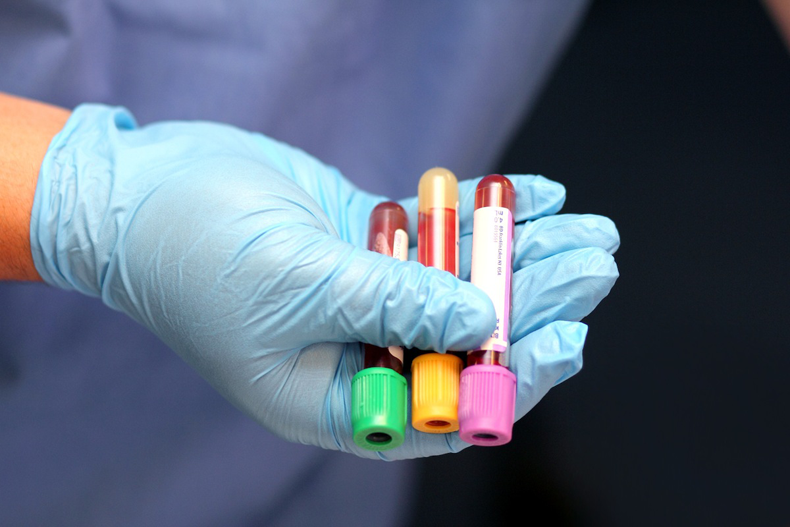
Essential Guide too Blood Draw Order: Ensuring Accurate Test Results Every Time
Performing blood draws accurately is crucial for obtaining reliable laboratory test results, which directly impact diagnosis, treatment, and patient care. One key aspect frequently enough overlooked is the correct order of blood collection tubes. In this complete guide, we delve into the importance of blood draw order, best practices, and practical tips to ensure each blood test’s accuracy and reliability.
Introduction to Blood Draw Order
Blood collection is a routine procedure in many healthcare settings, from clinics to hospitals. However, the sequence in which blood collection tubes are filled can significantly influence test outcomes. Contamination of one sample with additives or anticoagulants from another tube can lead to erroneous results, misdiagnosis, or needless repeat testing.
Understanding the proper blood draw order is essential for phlebotomists, nurses, and laboratory staff to maintain high standards of laboratory testing and patient safety. This article provides a detailed overview of the recommended blood draw sequence, practical tips for implementation, and insights into common mistakes to avoid.
Why is blood Draw Order Crucial?
- Prevents Cross-Contamination: Proper order prevents additives in collection tubes from contaminating subsequent samples.
- Maintains Test Integrity: Ensures the accuracy of tests such as serum chemistry, blood culture, coagulation, and others.
- Reduces Repetition: Correct order minimizes the need for redraws, saving time and resources.
- Ensures Patient Safety: Accurate test results contribute to appropriate treatment decisions and patient safety.
Standard Blood Draw Order: The Recommended Sequence
The order of blood collection tubes is established based on the type of additives present, which can influence test results. The Clinical and Laboratory Standards institute (CLSI) provides guidelines for the recommended sequence, which has become the standard practice worldwide.
Typical Blood Collection sequence
| Order | Tube Color/Additive | Purpose |
|---|---|---|
| 1 | blood culture bottles (Yellow or sterile bottles) | microbiology testing for infections |
| 2 | Sterile tubes (Yellow/Black/Red/Red & Gray with no additive) | Serum tests, chemistry panels, blood bank testing |
| 3 | Light Blue | Citrate anticoagulant for coagulation tests |
| 4 | Red | Serum for blood chemistries, serology, and drug levels |
| 5 | Gold or Tiger Top (Serum separator tube) | serum tests, blood chemistries |
| 6 | Light Green or Green (Heparin) | Plasma or STAT chemistry tests |
| 7 | lavender or Pink (EDTA) | Hematology testing, blood typing, PCR |
| 8 | Gray | Glucose testing, blood alcohol levels |
Practical Tips for Correct Blood Collection
- Use the correct order: Always follow the specified sequence to avoid sample contamination.
- Prepare the patient: Ensure proper patient identification and explain the procedure to reduce anxiety and improve cooperation.
- Ensure equipment readiness: Gather all necessary tubes, needles, tourniquets, and disinfectants before starting.
- Practice proper technique: Use sterile gloves, apply tourniquet correctly, and ensure proper needle insertion.
- Label samples instantly: Accurately label each tube with patient details and collection time.
- Handle samples carefully: Transport and store samples as per guidelines to prevent degradation.
Common mistakes to Avoid during blood Draws
- Skipping the correct order of tubes.
- Using expired or incompatible collection tubes.
- Contaminating samples with additives due to improper technique.
- failing to invert tubes properly to mix anticoagulants or additives.
- Not following proper patient identification protocols.
- Transporting samples at incorrect temperatures.
Benefits of Adhering to Blood Draw Order
Enhanced Test Accuracy
Following the proper sequence preserves sample integrity, resulting in accurate diagnostic results.
Improved Laboratory Efficiency
Reduces repeat testing and minimizes delays in diagnosis and treatment.
Patient Trust and Safety
Consistent, accurate testing fosters trust and ensures safe patient care.
Real-World Case Study: Impact of Correct Blood Draw Order
In a busy outpatient clinic, a lab noticed inconsistent coagulation test results from patients who had blood drawn using non-standard protocols. Upon examination, it was found that the phlebotomists were not following the recommended blood draw order, causing cross-contamination of tube additives. After retraining staff on proper sequence, the lab reported a 25% reduction in sample rejections and more reliable test outcomes within three months.
First-hand Experience: Simplifying Blood Collection for Better Results
As a seasoned phlebotomist,I’ve seen firsthand how strict adherence to blood draw order simplifies laboratory workflows. Using checklists, visual aids, and ongoing staff education has significantly improved sample quality in our facility. Emphasizing the importance of each step, especially the sequence, ensures that patients receive accurate diagnoses and effective treatment plans.
Conclusion
Mastering the correct blood draw order is a fundamental skill that directly influences the accuracy of laboratory testing. By understanding the standard sequence, practicing proper techniques, and avoiding common mistakes, healthcare professionals can ensure reliable test results every time. Implementing best practices not only improves laboratory efficiency but also enhances patient care and safety. Keep these guidelines in mind during each blood collection to promote trust, accuracy, and excellence in your practice.