unlock Your Healthcare Career: How a Phlebotomy Associate’s Degree Opens Doors to Medical Opportunities
Starting a career in healthcare can be both exciting and rewarding.If you’re interested in making a meaningful difference in people’s lives while building a stable and fulfilling profession, pursuing a phlebotomy associate’s degree might be the perfect pathway for you. This complete guide will explore how earning a phlebotomy associate’s degree can unlock a multitude of medical opportunities, provide practical benefits, and set you on a successful healthcare career trajectory.
What Is a Phlebotomy Associate’s Degree?
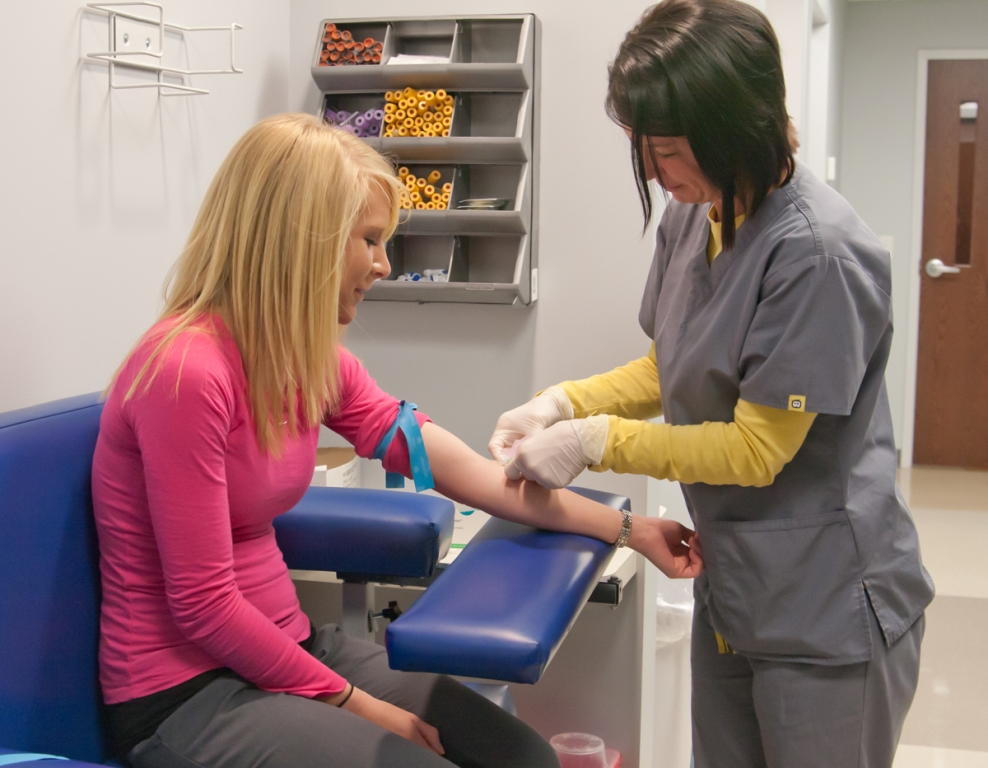
A phlebotomy associate’s degree is a specialized educational program designed to prepare students for careers as professional phlebotomists. These programs combine classroom learning, hands-on training, and clinical experience to equip students with the skills necessary for safe and efficient blood collection and specimen handling.
Typically lasting between 6 months and 2 years, this degree offers a focused pathway into the healthcare industry, emphasizing patient care, safety protocols, anatomy, and laboratory procedures.
Why Pursue a Phlebotomy Associate’s Degree?
- High Employability: Certified phlebotomists are in demand across hospitals, clinics, laboratories, and blood donation centers.
- Entry into Healthcare: A foundational certification that can serve as a stepping stone toward advanced medical roles such as medical assistants, lab technicians, or nursing.
- Practical Skills: hands-on training ensures readiness to handle real-world blood collection procedures safely and efficiently.
- Versatility: Many programs offer part-time, online, or hybrid options, making education accessible for working students.
- Cost-Effective: Compared to four-year degrees, a shorter program reduces tuition costs and time investment.
The Career Pathways After Earning a Phlebotomy degree
Top Medical Opportunities for Certified Phlebotomists
While phlebotomists primarily focus on blood collection, their roles extend into various medical settings, opening doors to diverse healthcare careers:
| Career Opportunity | Typical Job Role | Potential Salary (USD) |
|---|---|---|
| Laboratory Technician | Analyzing blood samples and conducting tests | $40,000 – $60,000 |
| Medical Assistant | Patient care, administrative duties, and lab procedures | $34,000 – $45,000 |
| Nursing Assistant | Supporting nurses in patient care activities | $28,000 – $36,000 |
| healthcare Administrator | Managing clinical operations and staff | $50,000 – $75,000 |
| Senior phlebotomy Specialist | Lead blood draw teams and mentor junior staff | $45,000 – $65,000 |
Benefits of Earning a Phlebotomy Associate’s Degree
1.Fast Track to Employment
Compared to a traditional four-year degree, a phlebotomy associate’s program is shorter, frequently enough allowing you to start working within a year, which accelerates your entry into the healthcare workforce.
2. Competitive Salary and Job Stability
Phlebotomists enjoy steady demand, competitive starting salaries, and the potential for career advancement in specialized medical fields.
3.Personal Fulfillment
Contributing directly to patient care and assisting in life-saving medical procedures offers a deep sense of accomplishment and purpose.
4. Gateway to Advanced Medical Careers
experience as a phlebotomist can definitely help you pursue further education and training, such as medical laboratory technician, radiologic technologist, or nursing programs.
Practical Tips for Success in Phlebotomy Education and Career
- Choose Accredited Programs: Ensure your program is accredited by recognized bodies like the National accrediting Agency for Clinical Laboratory Sciences (NAACLS).
- gain Real-World Experience: Take advantage of clinical rotations and internships to build confidence and skills.
- Obtain Certification: Certification from organizations like the American Society for Clinical Pathology (ASCP) can enhance job prospects.
- Develop Soft Skills: compassion, attention to detail, and strong dialog are key in patient interactions.
- Network Within the Healthcare Community: Join professional associations and attend industry events to stay informed about opportunities.
Case Studies: Successful Careers Starting with a Phlebotomy Degree
Case Study 1: From Phlebotomist to Laboratory Technician
emma started her journey by earning a phlebotomy associate’s degree. With her hands-on experience and certification, she quickly secured a job at a regional laboratory. Over three years, she pursued further education and transitioned into a laboratory technician role, increasing her salary and responsibilities.
Case Study 2: Advancing into Healthcare Management
John worked as a certified phlebotomist for five years before enrolling in a healthcare administration program. His practical experience gave him insights into clinical operations, paving the way to management positions in hospitals.
Conclusion
Embarking on a healthcare career by earning a phlebotomy associate’s degree offers numerous advantages-from immediate employment opportunities to pathways for advanced medical roles. It’s practical training,affordability,and versatility make it an ideal choice for those passionate about healthcare and patient support. Whether you aim to work in laboratories, clinics, or eventually shift to other medical fields, the foundation laid by a phlebotomy degree unlocks a world of medical opportunities.
Take the first step toward a rewarding healthcare career today-invest in your future with a dedicated phlebotomy program and watch your professional journey unfold!
Ready to Start Your Healthcare Journey?
Contact our admissions team today to learn more about our accredited phlebotomy associate’s degree programs and take the next step toward your medical career. Your path to making a difference begins here!