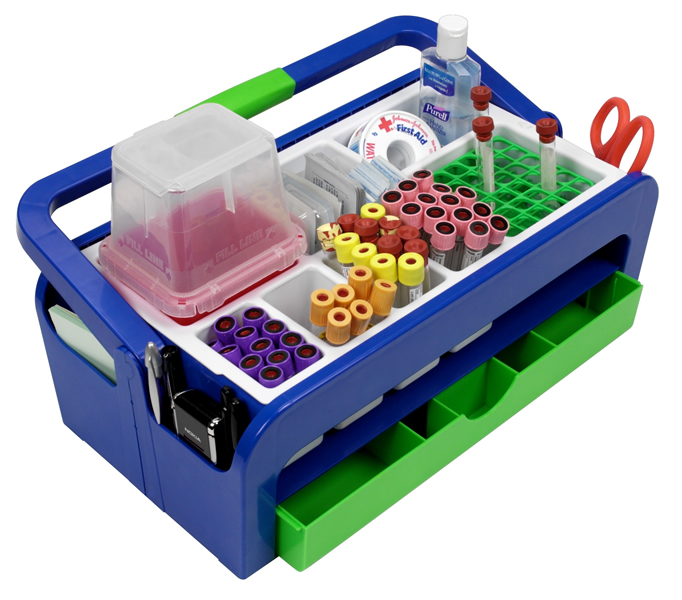
Ultimate phlebotomy Tube Guide: Essential Tips for Accurate Blood Collection and Testing
Accurate blood collection is the cornerstone of reliable laboratory testing and patient diagnosis. Whether your a seasoned phlebotomist or just starting your journey in clinical laboratory work,understanding the nuances of blood collection tubes—their types,proper handling,and best practices—can substantially impact test results. This comprehensive guide aims to equip healthcare professionals with crucial insights into phlebotomy tubes, ensuring precision, safety, and efficiency in blood collection procedures.
Introduction
Phlebotomy is more than just drawing blood; it’s a precise science that demands attention to detail at every step. The type of blood collection tube used, the order of draw, and handling techniques directly influence laboratory accuracy. With a wide variety of tubes designed for different tests, selecting the right one and following optimal procedures is vital. In this ultimate guide, we’ll explore the essential components, common types, benefits, practical tips, and real-world case studies related to blood collection tubes—helping you enhance your skills and improve patient care.
Understanding Phlebotomy Tubes: Types and Components
Blood collection tubes, also known as vacutainers or test tubes, are specially designed containers used to collect and preserve blood samples. They come in various sizes, additives, and closures, each tailored for specific testing needs.
Key Components of Phlebotomy Tubes
- Tube Material: Usually plastic or glass, with plastic being more common due to safety and durability.
- Closure Type: rubber stoppers that create a vacuum seal, facilitating blood draw.
- Labeling Area: For accurate patient identification and test details.
- Additives: Chemicals added inside the tube to preserve or process the blood sample.
Main Types of Blood Collection Tubes for Testing
Knowing the different types of phlebotomy tubes is essential for accurate testing.Here’s a rapid overview of common tubes categorized by their functions and additives:
| Tube Type | Color Code | Common Additives | Primary Use |
|---|---|---|---|
| Sterile Blood Collection Tube | Clear/Colorless | None | Serum Testing, Blood Chemistry |
| Sodium Heparin Tube | Light Green | Sodium heparin | Blood Gas Analysis, Plasma Chemistry |
| EDTA Tube | Purple/lavender | EDTA (Ethylenediaminetetraacetic acid) | Hematology Tests, Blood Cell Counts |
| Citrate Tube | Light Blue | Sodium citrate | Coagulation Tests, PT, APTT |
| IgG/Serology Tube | Gold/Red | Clot activators, thixotropic gel | serological Tests, Blood Banking |
Essential Tips for proper Blood Collection Using Phlebotomy Tubes
Executing a prosperous blood draw with the right tubes involves more than just inserting a needle. Here’s a step-by-step guide to ensure accuracy and safety:
1. Prepare and Identify Correctly
- Verify patient identity with two identifiers.
- review test orders to select the appropriate tube type.
- Check expiration date on the tube to ensure sample integrity.
2. Proper Equipment and Technique
- Use a sterile, latex-free tourniquet, and apply it snugly but not too tight.
- Choose the correct needle gauge—typically 21 to 23 gauge for most adult draws.
- Use a proper vein selection—preferably a vein that is palpable, stable, and not painful.
3. Correct Order of Draw
Following the proper order prevents cross-contamination of additives and preserves sample purity. A standard order of draw is as follows:
- Sterile blood culture tubes
- Sodium citrate (light blue)
- Serum tubes with clot activators (gold/red)
- Serum separator tubes
- Heparin tubes (green)
- EDTA tubes (lavender)
- Glycolytic inhibitor tubes (Gray)
4. Filling the Tubes Correctly
- Allow the tube to fill to the designated volume to maintain the correct blood-to-additive ratio.
- Gently invert tubes post-collection to mix additives thoroughly—refer to manufacturer instructions.
5. Post-Collection Handling
- Label immediately with patient details, date, and time.
- Store tubes at appropriate temperatures based on test requirements.
- Transport samples promptly to prevent hemolysis or degradation.
Benefits of Using the Correct Phlebotomy Tubes
Using the right blood collection tubes enhances test accuracy,minimizes patient discomfort,and ensures sample stability. Here are some of the key benefits:
- Accurate Test Results: Proper additives prevent sample contamination, leading to valid laboratory outcomes.
- Sample Preservation: Depending on the test, specific tubes preserve blood components effectively.
- Reduced Re-Collection: Correct techniques reduce the chance of pre-analytical errors, saving time and resources.
- Patient Safety: Correct handling minimizes risks of hemolysis and cross-infection.
Practical Tips for Optimizing Blood Collection with Tubes
- Always wear gloves and use sterile equipment to ensure safety.
- Avoid excessive probing or pumping the vein during blood draw.
- Maintain the correct order of draw to prevent additive carryover.
- Ensure tubes are correctly labeled in the presence of the patient.
- Review specific test requirements—some tests demand specific storage or handling procedures.
Case Studies: Real-World Applications of Proper Blood Collection
Case Study 1: Hemolysis Due to incorrect Tube Use
A hospital noted a rise in hemolyzed samples, leading to repeat blood draws and delayed diagnosis. Inquiry revealed that serum tubes were replaced with EDTA tubes during collection, causing hemolysis. Proper training on tube types and order of draw prevented future issues.
case Study 2: Improved Turnaround Time with Correct Tubes
In a primary care clinic, switching to rapid-use tubes for STAT tests decreased sample processing time significantly, resulting in faster diagnosis and treatment. Ensuring the right tube selection directly impacted patient outcomes.
First-Hand Experience: Tips from Seasoned Professionals
“Consistent technique and understanding the purpose of each tube make all the difference,” shares Sarah, a veteran phlebotomist. “Always double-check labels and follow the order of draw. Using high-quality tubes with proper additives ensures the lab gets accurate results every time.”
Conclusion
Mastering the art of blood collection using the right phlebotomy tubes is basic for reliable laboratory testing. From understanding the various types of tubes, adhering to the proper order of draw, to handling samples correctly, each step plays a crucial role in ensuring accurate diagnosis and patient safety. Whether you’re a beginner or an experienced professional, continuously refining your technique and staying informed about best practices will improve your efficiency and contribute significantly to high-quality healthcare.
Remember, precision in blood collection is precision in healthcare. Equip yourself with the right knowledge, tools, and practices—your patients deserve it!