Ultimate guide to Your Phlebotomy Associates Degree: Careers, Requirements, and Benefits
if you’re considering a healthcare career focused on patient care and medical diagnostics, earning a phlebotomy associates degree can be an excellent choice. This complete guide aims to provide aspiring students and interested professionals with valuable insights into what a phlebotomy associates degree entails, the career opportunities it opens, the educational requirements, and the numerous benefits associated with this rewarding field.
Introduction to Phlebotomy and Your Associates Degree
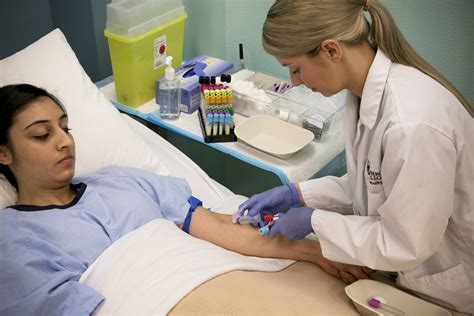
Phlebotomy involves drawing blood from patients for clinical or laboratory testing. As a vital part of the healthcare system, skilled phlebotomists are in high demand, making this career both stable and fulfilling. Pursuing an associates degree in phlebotomy bridges theoretical knowledge with practical skills, enabling you to excel in a clinical setting. This degree typically takes 1 to 2 years to complete and can serve as a stepping stone to advanced healthcare careers or specialized certification programs.
What Is a Phlebotomy Associates Degree?
A phlebotomy associates degree is an academic program that combines classroom instruction with hands-on clinical training. it prepares students to perform blood collection procedures safely and efficiently, understand medical terminology, and grasp foundational aspects of laboratory testing. This degree level emphasizes practical skills, patient communication, and adherence to safety protocols, ensuring graduates are job-ready upon completion.
Careers You Can Pursue with a phlebotomy Associates Degree
The primary career path involves working as a certified phlebotomy technician, but many graduates expand their roles into broader healthcare positions. Here’s a snapshot of potential careers:
Primary Career Options
- Phlebotomy Technician: Collect blood samples in hospitals, clinics, and laboratories.
- Laboratory Assistant: Assist in processing and managing specimens.
- Healthcare Support Specialist: Support patient care teams in diagnostic settings.
Advanced Career Paths
- Medical Laboratory Technician: Requires additional certifications but offers broader responsibilities.
- Medical Assistant: Combines clinical and administrative tasks.
- Healthcare Instructor: Teaching future phlebotomists or lab professionals.
Educational and Certification Requirements
Admission Requirements
- High school diploma or GED
- Basic proficiency in mathematics and biology
- Good communication skills
- Background checks and immunizations (might potentially be required)
Program Curriculum Highlights
- Human anatomy and physiology
- Medical terminology
- Blood collection techniques
- Safety procedures and infection control
- Patient communication and ethics
Certification and licensing
While a phlebotomy associates degree provides a strong foundation, obtaining certification enhances job prospects.The most recognized credential is the Certified Phlebotomy Technician (CPT) offered by organizations like the American Society for clinical Pathology (ASCP) or the National Healthcareer Association (NHA).
| Certification | Requirements | Renewal |
|---|---|---|
| CPT (NHA) | High school diploma + 100 sticks + exam | Every 2 years with 20 CEUs |
| CPHT (ASCP) | Completion of program + exam | Every 3 years with CEUs |
Benefits of Earning a Phlebotomy Associates Degree
Pursuing this degree offers numerous advantages beyond just employment opportunities.
Key Benefits
- Job Stability and Demand: With healthcare always in need of diagnostic services,phlebotomy roles are consistently sought after.
- Competitive Salary: Entry-level phlebotomists can earn a comfortable wage, with potential for growth.
- Speedy Entry into Healthcare: The degree typically takes just 1-2 years,allowing rapid career entry.
- Flexible Work Environments: Opportunities in hospitals, clinics, blood banks, and outpatient facilities.
- Foundation for Advanced roles: An associates degree paves the way for further education and specialization.
Practical Tips for Success in Your Phlebotomy Degree Program
- Engage actively in clinical practica to gain hands-on experience.
- Develop excellent communication skills for patient interaction.
- Stay updated on safety protocols and infection control standards.
- Build relationships with instructors and mentors for future networking.
- Prepare thoroughly for certification exams to enhance your credentials.
Case Study: A day in the Life of a Certified Phlebotomist
Maria’s Journey: Maria completed her phlebotomy associates degree in six months. She volunteered during her training to build confidence.Now working at a busy hospital, she efficiently draws blood from patients of all ages, manages specimen labeling, and communicates compassionately with anxious patients. Her degree gave her the skills and confidence to excel in her role, making a difference in patients’ healthcare experiences.
First-Hand Experience: What to Expect During Your training
Most phlebotomy programs include a mix of classroom learning and practical training. Students often practice blood draws on mannequins and real patients under supervision. The clinical component is crucial for mastering techniques and developing patient rapport. Expect to encounter diverse patient populations, emergency situations, and to learn how to handle complications such as fainting or vein difficulties.
Conclusion
Embarking on a path with a phlebotomy associates degree is a smart move into the healthcare industry. It opens doors to stable, rewarding careers with opportunities for growth and specialization. By understanding the requirements, certifications, and benefits outlined in this guide, you can confidently plan your educational journey and start making a meaningful difference in patients’ lives.Whether you aspire to become a certified phlebotomist or seek to build your foundation for further healthcare education, this degree paves the way for a accomplished and fulfilling career.
Invest in your future today by pursuing a phlebotomy associates degree-your gateway to the vital and dynamic world of medical diagnostics.