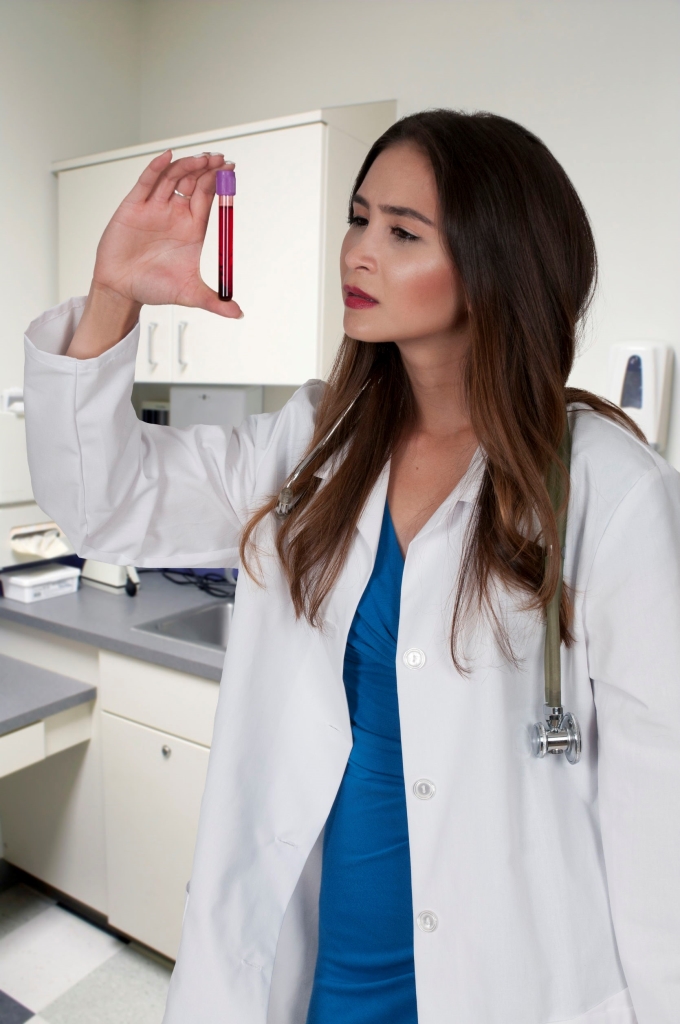
Ultimate Guide to Training as a Phlebotomist: How to Start a Rewarding Career in Blood Collection
If you’re interested in a healthcare career that combines hands-on patient interaction with vital medical procedures, becoming a phlebotomist could be the perfect path for you. As a trained blood collection specialist, you’ll play a crucial role in diagnostics, patient care, and saving lives. This extensive guide will walk you through the essentials of phlebotomy training, certifications, practical tips, and what it takes to launch a prosperous and rewarding career in blood collection.
What is a Phlebotomist? | Understanding the Role
A phlebotomist is a healthcare professional trained to draw blood from patients for testing, transfusions, research, and donations. They are vital members of medical teams, ensuring blood samples are collected safely, efficiently, and with patient comfort in mind. With increasing demand for blood tests and a growing healthcare industry, a career as a phlebotomist offers stability, growth opportunities, and personal fulfillment.
Why Choose a Career in Phlebotomy?
- High Demand: Healthcare facilities consistently need qualified blood collection specialists.
- Fast Training Programs: Certification can often be obtained in as little as a few months.
- Flexible Work Settings: Opportunities in hospitals, clinics, laboratories, blood banks, and mobile blood drives.
- Rewarding Impact: Contributing to life-saving medical procedures and patient care.
- Good Earning Potential: Competitive salaries with room for growth as you gain experience and certifications.
Steps to Becoming a Certified Phlebotomist
1.Meet Basic Requirements
- Be at least 18 years old
- Have a high school diploma or GED
- Possess good communication and interpersonal skills
- pass a background check and drug screening (may be required by some employers)
2. Enroll in a Phlebotomy Training Program
Choosing the right training program is crucial. Accredited courses equip you with fundamental skills and knowledge on blood collection techniques, safety procedures, anatomy, and patient care.
3. Complete Hands-On practical Training
Moast programs include supervised clinical practice, giving you real-world experience in drawing blood, handling specimens, and managing patient interactions.
4. Obtain Certification
Certification enhances employability and credibility. The most recognized certifying bodies include:
- American Society for Clinical Pathology (ASCP)
- National Healthcareer Association (NHA)
- American Medical Technologists (AMT)
To become certified, you’ll typically need to pass an exam based on your training, relevant work experience, or both.
5. Secure Employment
Start applying to healthcare facilities, blood banks, laboratories, and clinics. Leverage job boards,hospital career pages,and networking events to find opportunities.
Training Options and Certification Details
Training programs vary by state and institution, but most include:
- Classroom instruction on anatomy, blood draw techniques, safety protocols
- Laboratory practice with simulated blood draws
- Clinical rotations in healthcare facilities
Sample Training program Duration and Costs
| Program Type | Duration | Approximate Cost |
|---|---|---|
| Certificate Program | 4-8 weeks | $1,500 – $3,000 |
| Associate Degree | 2 years | $8,000 – $15,000 |
Benefits and Practical Tips for aspiring Phlebotomists
Benefits of a Phlebotomy Career
- Fast Entry: Start working quickly with short training programs
- Job Stability: Healthcare industry resilience provides ongoing employment opportunities
- Personal Fulfillment: making a difference by aiding diagnosis and treatment
- Career Advancement: Opportunities to specialize or move into healthcare administration
Practical Tips for Success
- Prioritize patient comfort and communication skills
- Stay updated on safety and new blood collection techniques
- Build a professional network through internships and industry events
- Maintain excellent record-keeping and organizational skills
- Continuously pursue additional certifications for advancement
Real-Life case Study: From Training to Triumph
Meet Sarah, a recent graduate who completed a 6-week phlebotomy certification program. After gaining hands-on experience during her clinical rotations, she secured a position at a busy hospital. Over the past year, Sarah has successfully built a reputation for being compassionate and efficient, leading to a pay raise and opportunities to train new staff. Her journey illustrates how proper training, dedication, and passion can propel a successful career in blood collection.
First-Hand experience: Tips from a Professional
John,a seasoned phlebotomist with over 10 years in the field,shares some insights:
- Start with comprehensive training; never settle for shortcuts
- always prioritize patient safety and comfort
- Stay organized and methodical in your work
- Embrace continuous learning to keep your skills sharp
Conclusion: Launch Your Rewarding Blood Collection Career Today
Embarking on a career as a phlebotomist offers a fulfilling chance to contribute to healthcare and make a tangible difference in people’s lives. With proper training, certification, and a proactive approach, you can enter a growing industry that values skilled blood collection professionals.Weather you’re seeking a quick entry into healthcare or a pathway to advanced medical roles, phlebotomy provides a solid foundation for a rewarding career. Start your journey today and become a vital part of the medical community!