Ultimate Guide to Phlebotomy Training for Nurses: Boost Your Skills & Career Opportunities
In today’s evolving healthcare landscape, nurses are constantly seeking ways to expand their skill set, improve patient care, and advance their careers. One of the most valuable and in-demand skills is phlebotomy – the art and science of drawing blood for tests, transfusions, or donations.If you’re a nurse interested in specializing further, phlebotomy training for nurses can open up a world of opportunities. This comprehensive guide covers everything you need to know about phlebotomy training, its benefits, practical tips, and how to boost your nursing career through this specialized skill.
What Is Phlebotomy and Why Is It Crucial for Nurses?
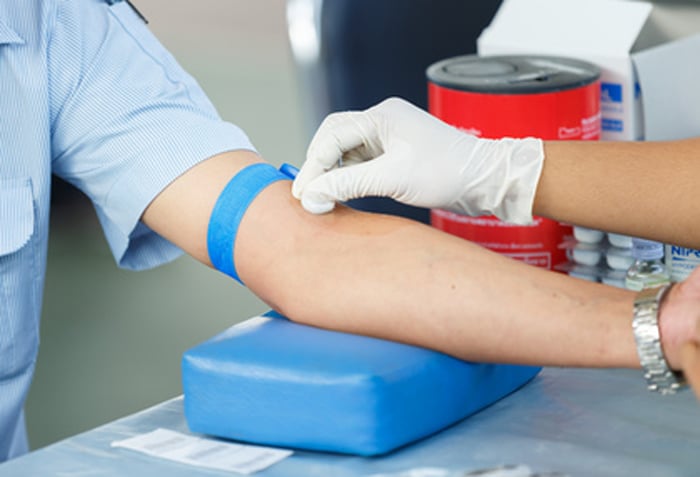
Phlebotomy involves collecting blood samples from patients for laboratory testing, diagnostics, or donation. It requires precision, patient interaction skills, and adherence to safety protocols. For nurses, mastering phlebotomy enhances their ability to deliver comprehensive patient care and become a vital part of clinical teams engaged in diagnostics and treatment planning.
The Importance of Phlebotomy Training for Nurses
- Enhances patient care: Accurate blood collection minimizes errors and ensures reliable test results.
- Generates career growth: Specializing in phlebotomy can open doors to roles in diagnostic labs, clinics, and outpatient facilities.
- Increases efficiency: Having this skill reduces dependency on external phlebotomists, streamlining patient workflows.
- Builds confidence: Provides nurses with new competencies that boost professional confidence and job satisfaction.
Phlebotomy Training for Nurses: Key Components
Effective phlebotomy training for nurses covers several core areas to ensure proficiency and safety:
1. Theory and Fundamentals
- Understanding blood anatomy and physiology
- Principles of venipuncture and capillary puncture
- Patient safety and infection control
- Legal and ethical considerations
2. Practical Skills Progress
- Venipuncture techniques and equipment handling
- Capillary blood collection methods
- Proper labeling and specimen handling
- Managing challenging draws and patient anxieties
3. Safety Protocols
- Infection prevention measures
- Proper disposal of sharps and biohazard materials
- Recognizing and responding to adverse reactions
How to Become Certified in Phlebotomy as a Nurse
while many nurses acquire phlebotomy skills on the job,formal certification can attest to your expertise and improve employability. HereS how to get started:
- Identify accredited programs: Look for courses recognized by organizations like the American Society for Clinical Pathology (ASCP) or the National Phlebotomy Association (NPA).
- Complete requisite training: Enroll in courses offering both theoretical and hands-on practice.
- Pass certification exams: Demonstrate your proficiency through written and practical assessments.
- Maintain certification: Engage in continuing education to stay current with evolving practices.
Benefits of Specialized Phlebotomy Training for Nurses
| Benefit | Description |
|---|---|
| Enhanced Skill Set | Broaden your competencies, making you more versatile in clinical settings. |
| Career Advancement | Qualify for specialized roles such as Laboratory Nurse or Phlebotomy Supervisor. |
| increased Earning Potential | Specialized skills often come with higher pay and additional benefits. |
| improved Patient Outcomes | Precise blood collection reduces the need for repeat draws and associated complications. |
Practical Tips for Triumphant phlebotomy Training
- Practice regularly: Skill mastery comes with consistent practice and feedback.
- Focus on patient communication: Explaining procedures reassures patients and reduces anxiety.
- Stay organized: Maintain proper documentation and specimen labeling.
- Adhere to safety protocols: Always prioritize infection control and sharps disposal.
- Seek mentorship: Learn from experienced phlebotomists to refine techniques.
Case Study: How Phlebotomy Training Transformed a Nurse’s Career
Meet Sarah,a registered nurse with over five years of experience. She decided to pursue formal phlebotomy training after recognizing a demand for skilled blood collectors in her clinic. Post-certification, Sarah took on additional responsibilities, including drawing blood samples, training new staff, and managing outpatient testing. Her expanded skill set not only increased her job satisfaction but also resulted in a 15% salary increase. Today, Sarah is a lead phlebotomy nurse, illustrating how dedicated training can propel your nursing career forward.
Conclusion: Take the Next Step in Your Nursing Career
Phlebotomy training for nurses is a strategic investment that offers numerous professional and personal benefits. It enhances your clinical skills, broadens your career pathway, and improves patient care quality. Whether you’re just starting or looking to specialize further, obtaining quality phlebotomy training can be a game-changer. Embrace this opportunity to boost your skills and unlock new career horizons in the healthcare industry.
Ready to take the next step? Explore accredited programs, seek mentorship, and commit to continuous learning. Your journey to becoming a proficient phlebotomy nurse begins today!