Ultimate Guide to Phlebotomy Technician Job Description: Skills, Responsibilities & Career insights
Introduction: Why Phlebotomy Technicians Matter in Healthcare
Phlebotomy technicians are among the frontline professionals in clinical laboratories and patient care settings.They perform the crucial task of collecting blood samples for diagnostic testing, transfusion services, and research. accurate collection, proper labeling, and safe handling of specimens directly impact patient diagnoses, treatment decisions, and overall healthcare quality. This comprehensive guide covers the phlebotomy technician job description, the skills you’ll need, day-to-day responsibilities, education and certification options, career growth opportunities, and practical tips to succeed in this essential healthcare role.
What Is phlebotomy and What Does a Phlebotomy Technician Do?
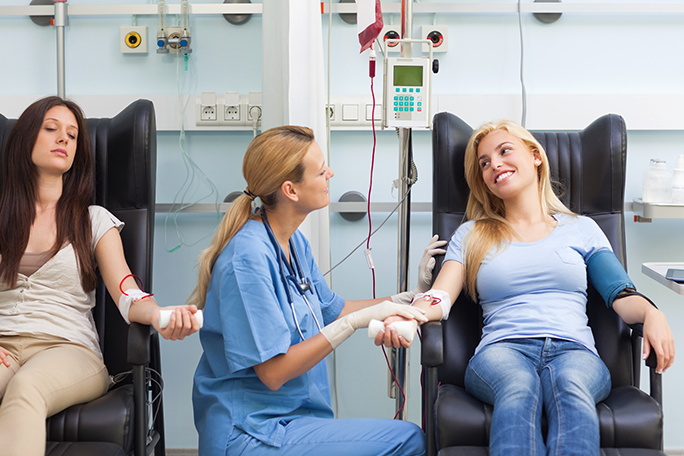
Phlebotomy is the process of drawing blood for laboratory analysis. A phlebotomy technician (also called a phlebotomist in some settings) is trained to perform venipuncture and capillary blood collection, identify patients, prepare specimens, and ensure samples reach the laboratory in good condition. The role blends technical skill with compassionate patient interaction. Common tasks include:
- Preparing patients and explaining procedures to reduce anxiety
- Verifying patient identity and collecting blood via venipuncture or finger/heel-prick methods
- Labeling specimens accurately and ensuring proper specimen transport
- Documenting procedures and maintaining chain-of-custody when required
- Maintaining equipment and adhering to safety, infection control, and privacy standards
Phlebotomy technicians work in hospitals, clinics, private laboratories, blood banks, and drive-through patient service centers.The position often serves as a stepping stone into broader medical laboratory careers, with many professionals pursuing advanced certifications and additional laboratory roles over time.
Core skills and Competencies for Phlebotomy Technicians
Triumphant phlebotomy technicians combine precise technique with strong communication and professionalism. Below are the essential hard skills and soft skills to master.
Technical and Clinical Skills
- Venipuncture and capillary blood collection techniques
- Proper selection and use of needles, syringes, vacutainers, tourniquets, and collection tubes
- Adherence to the order of draw and proper specimen labeling
- Aseptic technique and infection control practices
- Specimen handling, transportation, and timely delivery to the laboratory
- Understanding basic specimen requirements for common tests (e.g.,CBC,BMP,coagulation studies)
- Proper use of Personal Protective Equipment (PPE) and safe needle disposal
- Patient identification and verification in accordance with privacy and safety policies (HIPAA compliance)
- Basic troubleshooting of collection issues (difficult veins,hemolysis risk,inadequate sample size)
Soft Skills and Professional Qualities
- strong communication and empathy to comfort nervous or anxious patients
- Attention to detail and meticulous record-keeping
- Good hand-eye coordination and steadiness
- Time management and the ability to work efficiently under pressure
- Teamwork and collaboration with nurses,technicians,and laboratory staff
- Reliability,professionalism,and a patient-first mindset
key Responsibilities and Daily Tasks
The daily duties of a phlebotomy technician can vary by setting,but most roles include a consistent core of responsibilities designed to ensure sample integrity and patient safety.
- Greet patients, explain procedures, and confirm identity to prevent mix-ups
- Prepare the venipuncture site and select appropriate collection equipment
- Perform venipuncture or capillary collection with accuracy and minimal discomfort
- Label specimens correctly with patient data, date, and time
- Document collection details and maintain chain of custody where applicable
- Transport specimens to the laboratory following established guidelines
- Monitor equipment and maintain cleanliness and association of the phlebotomy area
- Follow safety protocols, dispose of sharps properly, and manage biohazard waste
- Report any adverse events, equipment malfunctions, or sample errors to the supervisor
- Participate in quality assurance activities and ongoing training
Education, Training & Certification Requirements
Paths to becoming a phlebotomy technician vary by country and region, but there are common routes that lead to successful careers in this field.
Educational Pathways
- High school diploma or GED as a baseline requirement
- Postsecondary phlebotomy programs or certificate programs (often 6 months or less)
- On-the-job training in hospitals, clinics, or laboratories
- Some roles may require an associate degree in a related field for broader lab duties
Certification and Licensure
- Certification is highly recommended and frequently required by employers in many regions
- Certification options typically include programs from recognized bodies such as ASCP, NHA, AMT, and other accrediting organizations
- Certification usually involves a formal exam, completion of clinical hours, and renewal with continuing education
- State licensure or registration may be required in certain areas; check local regulations and employer policies
Maintaining Competence
- Continuing education credits to renew certification
- Ongoing training on updated safety guidelines, specimen handling, and new testing panels
- Regular competency assessments and performance reviews
work Environment, Schedule & safety
Phlebotomy technicians work in diverse healthcare settings. The environment can be fast-paced and emotionally demanding,requiring composure and strong patient care skills.
- Common settings: hospitals, outpatient clinics, blood donation centers, private laboratories
- Typical shifts: daytime, evenings, weekends, or on-call hours depending on the facility
- Safety standards: adherence to OSHA guidelines, CLIA regulations, and HIPAA privacy rules
- PPE and infection control: use of gloves, masks, face shields as required by procedures and patient needs
- Physical demands: standing for long periods, repetitive motions, occasional heavy lifting
Career Insights: Growth, Certifications, and Advancing Your Career
Phlebotomy is a strong entry point into the broader medical laboratory field. With experience and additional training, many professionals expand into supervisory, training, or advanced laboratory roles.
Career Pathways and Advancement
- Lead Phlebotomy Technician or Supervisor: overseeing daily collections, scheduling, and quality control
- Phlebotomy Trainer or Education Coordinator: teaching new staff and students
- Medical Laboratory Technician (MLT) or Laboratory Assistant: expanding duties into broader lab tasks such as specimen processing and basic testing
- Specialist roles in pediatric, geriatric, or neonate settings requiring tailored collection techniques
Salary and Job Outlook
Salary varies by region, facility type, and experience. Below is a representative snapshot to help you plan. Compare this against your local market for accuracy.
| Experience Level | Role Focus | Approx. annual Salary (USD) |
|---|---|---|
| Entry-Level | Blood draws, patient prep, basic labeling | $33,000 – $42,000 |
| Mid-Career | Quality checks,เพิ่มเติม responsibilities, specimen handling | $38,000 – $50,000 |
| senior/Lead | Training, scheduling, compliance, and process advancement | $45,000 – $60,000 |
Certification Maintenance and Professional Development
- Plan for renewal every 2-5 years, depending on the certifying body
- Engage in specialty trainings (e.g., pediatric phlebotomy, diabetic patient handling)
- Build a professional network through conferences, labs, and local healthcare groups
Benefits, Practical Tips & Best Practices
Working as a phlebotomy technician offers meaningful job stability in the healthcare sector, opportunities for skill diversification, and a clear path toward advanced clinical roles. Here are practical tips to maximize success in your role.
- Develop a patient-first approach: explain the procedure, listen to concerns, and provide reassurance
- Keep a spotless and organized work area to minimize errors and protect specimen integrity
- Practise safe and efficient venipuncture techniques, and seek feedback from supervisors
- Stay current on safety and privacy policies, including HIPAA and CLIA requirements
- Document meticulously and maintain high-quality specimen labeling
- Seek cross-training opportunities in specimen processing or data entry to broaden your skill set
First-Hand experience: A Day in the Life of a phlebotomy Technician
“My morning starts with checking the day’s appointment list, verifying patient identities, and preparing the necessary tubes and labels. I greet the patient with a calm, friendly approach, explain what I’ll do, and ask about any previous difficult experiences with needles. When I locate a vein, I use a smooth, steady technique to minimize discomfort. If a patient is anxious,I pause,breathe with them,and switch to a slower pace.After a successful draw and proper labeling, I log the sample and hand it off to the transport team. The most rewarding part is knowing my work helps clinicians make accurate diagnoses and deliver better patient care.”
Case Studies: Real-Life Scenarios
Below are brief, anonymized case vignettes illustrating common situations a phlebotomy technician may encounter.
- Case 1: An elderly patient with exhausted veins requires multiple attempts. The technician stays calm, adjusts technique, communicates clearly, and collaborates with a nurse to select an alternative site, ultimately obtaining a quality sample.
- Case 2: A mislabeling alert triggers a fast corrective action. The technician reviews the patient’s identity, re-labels the specimen with the correct identifiers, and documents the incident for quality improvement.
- Case 3: A pediatric patient is anxious about the procedure. The technician uses age-appropriate explanations, offers distraction techniques, and performs a successful capillary collection when venipuncture proves challenging.
Conclusion: Start Your Phlebotomy Journey with Confidence
The phlebotomy technician role is a critical entry point into the broader world of medical laboratory science and patient care. With a solid foundation in venipuncture techniques, patient communication, and specimen handling, you can build a rewarding career that supports clinicians, improves diagnostic accuracy, and contributes to high-quality patient outcomes. Whether you pursue formal certification,on-the-job training,or advanced laboratory education,the demand for skilled phlebotomy professionals remains strong across healthcare settings. Explore accredited programs, connect with local employers, and invest in ongoing professional development to unlock your full potential in this vital field.