Ultimate Guide to Phlebotomy Tech Job Description: Roles, Responsibilities & Skills Needed
are you considering a career as a phlebotomy technician or looking to deepen your understanding of this vital healthcare role? This comprehensive guide provides everything you need to know about the job description of a phlebotomy technician, including their core roles, responsibilities, and essential skills. Whether you’re a newcomer eager to start your journey or a seasoned healthcare professional exploring new opportunities, this article will equip you with valuable insights into the dynamic world of phlebotomy.
What is a Phlebotomy Technician?
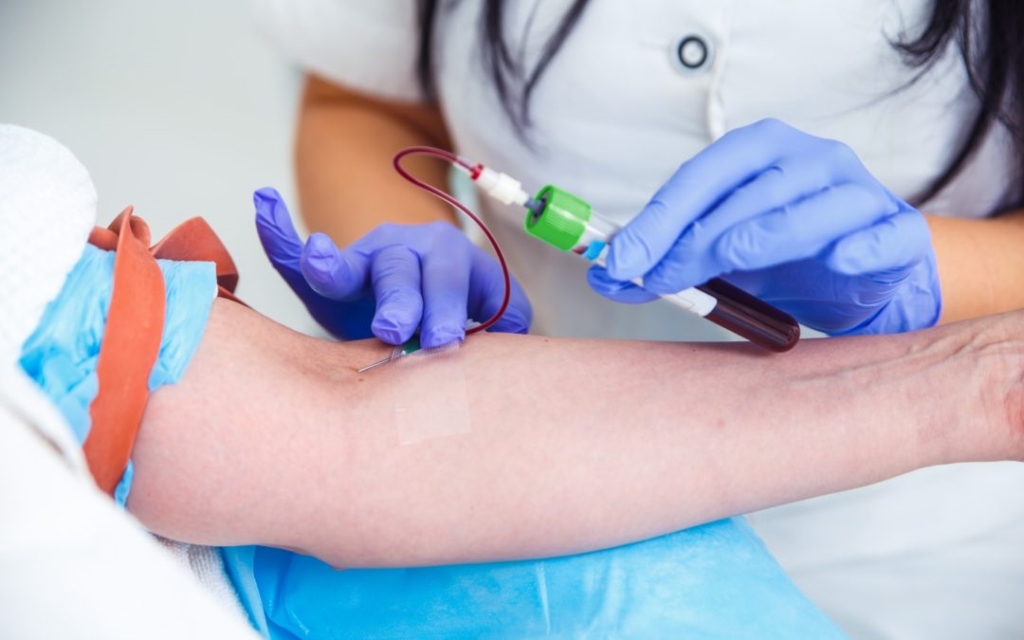
A phlebotomy technician is a trained healthcare professional responsible for drawing blood from patients for laboratory testing, transfusions, donations, or research purposes. They play an essential role in medical diagnostics, ensuring that blood samples are collected safely, accurately, and with patient comfort in mind. This job combines technical skills, compassionate interaction, and strict adherence to safety protocols.
The Core Roles of a phlebotomy Technician
The primary goal of a phlebotomy technician is to facilitate the collection of blood samples, but their responsibilities extend beyond just drawing blood. Here’s a breakdown of their core roles:
- Patient Planning: Explaining procedures and calming anxious patients.
- Blood Collection: Using various techniques to draw blood with high accuracy.
- Specimen Labeling & Handling: Ensuring samples are correctly labeled and transported to laboratories.
- Maintaining Equipment: Sterilizing and inspecting collection devices and supplies.
- Documentation & Records: Keeping detailed records of each procedure performed.
- Safety Compliance: Following OSHA and HIPAA regulations to protect patient privacy and health safety.
Detailed Responsibilities of a Phlebotomy Technician
Understanding the day-to-day responsibilities helps clarify what it takes to excel in this role. Here’s an in-depth look at their typical duties:
1.Performing Blood Draws
Executing venipuncture techniques to collect blood efficiently and painlessly, ensuring minimal patient discomfort and high-quality samples.
2. Patient Interaction & Education
Providing clear instructions, addressing patient concerns, and maintaining a amiable demeanor to foster trust and cooperation.
3.Managing Specimen Workflow
- Properly labeling blood vials and documentation forms.
- Transporting specimens to laboratories promptly.
4. Equipment Maintenance & Sterilization
Keeping all phlebotomy supplies, such as needles, tourniquets, and collection tubes, sterile and well-maintained to prevent infections.
5. Adhering to Safety Protocols
Following strict procedures to prevent needlestick injuries, cross-contamination, and exposure to bloodborne pathogens.
6.Administrative Tasks
- Scheduling appointments.
- updating patient records.
- Reporting issues or irregularities during blood collection.
Skills & Qualifications Needed for a Phlebotomy Tech
To succeed as a phlebotomy technician, certain skills and qualifications are essential. Here’s a list of the key skills needed:
- Technical Proficiency: Knowledge of venipuncture techniques, blood handling, and equipment operation.
- communication Skills: Ability to communicate clearly and empathetically with patients and healthcare team members.
- Attention to Detail: Ensuring accurate labeling, documentation, and specimen handling.
- Physical Dexterity: steady hand and precision for needle insertion.
- Knowledge of Safety Protocols: Understanding OSHA, CDC, and HIPAA regulations.
- Problem-Solving Abilities: Handling tough draws or patient anxiety effectively.
- Certification & Education: usually requires a phlebotomy certification from an accredited program and a high school diploma or equivalent.
Critically important Certifications for Phlebotomy Technicians
Most employers prefer or require certified phlebotomy technicians. Certifications validate your skills and improve employability. Some of the popular certifications include:
- American Society for Clinical Pathology (ASCP) phlebotomy Technician Certification
- National Healthcareer Association (NHA) Certified Phlebotomy Technician (CPT)
- American Medical Technologists (AMT) Registered Phlebotomy Technician (RPT)
Benefits of a Career as a Phlebotomy Technician
Choosing to pursue a career in phlebotomy offers numerous advantages:
- High Demand: Opportunities across hospitals, clinics, blood banks, and laboratories.
- Relatively Short Training Period: Certification programs can often be completed in less then a year.
- Entry-Level Accessibility: No extensive medical education required for certification.
- Fulfillment & Impact: Contributing to patient care and medical diagnoses.
- Flexible Work Schedules: Opportunities for part-time, evenings, or weekends.
Practical Tips for Aspiring Phlebotomy Technicians
- Enroll in accredited training and certification programs to gain essential skills.
- Gain hands-on experience through internships or externships.
- Develop excellent interpersonal skills to handle anxious or difficult patients.
- Prioritize safety and hygiene to protect yourself and patients.
- Keep abreast of latest techniques and safety regulations.
Case Study: A Day in the Life of a Phlebotomy Technician
Meet Sarah, a certified phlebotomy technician working in a busy hospital outpatient clinic. Her day begins with confirming appointments and gathering supplies. She approaches each patient with a calming smile, explains the procedure clearly, and proceeds to perform venipuncture efficiently. Throughout her shift, Sarah maintains meticulous records, handles samples with care, and ensures her workspace remains sterile. Her attention to detail and compassionate approach make her a valued team member, contributing substantially to timely and accurate diagnostic results.
Conclusion
The role of a phlebotomy technician is both critical and rewarding within the healthcare system. From understanding their basic responsibilities to developing the necessary skills and certifications, aspiring professionals can carve out a prosperous career in this growing field. With high demand, flexible options, and the prospect to make a tangible difference in patient care, a career in phlebotomy offers a practical and fulfilling pathway in healthcare.
If you’re interested in becoming a vital part of the medical laboratory team, start exploring accredited training programs today and take the first step toward a promising career as a phlebotomy technician.
Frequently asked Questions
| Question | Answer |
|---|---|
| How long does it take to become a certified phlebotomy technician? | Typically, 4-6 months through a certified training program. |
| what skills are most important for a phlebotomist? | Technical proficiency, communication, attention to detail, and safety awareness. |
| Is phlebotomy certification required? | Most employers prefer certification, but requirements vary by state and employer. |