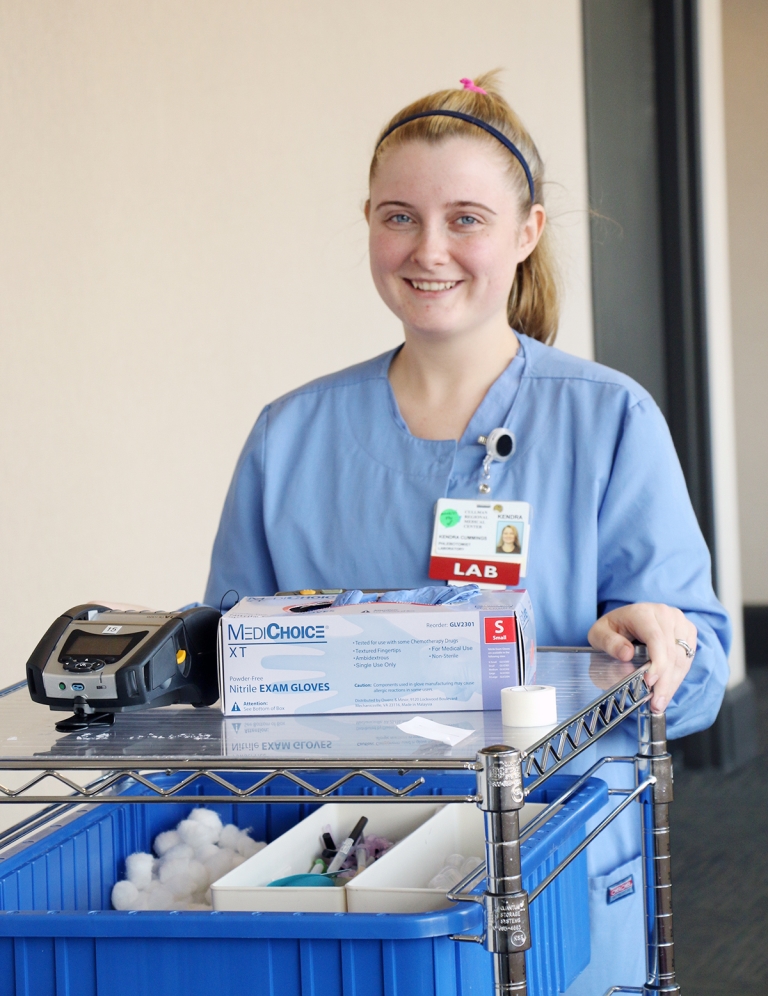
Ultimate Guide to Phlebotomy: Essential Details for aspiring Medical Professionals
Introduction
If you’re considering a career in the medical field, understanding the fundamentals of phlebotomy is essential. As a critical component of healthcare, phlebotomy involves drawing blood samples for laboratory testing, diagnosis, and treatment. Whether you’re just starting your journey in healthcare or looking to refine your skills, this complete guide provides all the essential information you need about phlebotomy – from training and certification to practical tips and career opportunities. let’s dive into the world of phlebotomy and uncover how this vital skill can shape your future in medicine.
What is Phlebotomy?
Phlebotomy is the process of making a puncture in a vein, usually to collect blood for laboratory analysis, blood donation, or other medical purposes. Phlebotomists are healthcare professionals trained specifically to perform blood draws safely and efficiently. This role is vital in diagnosing diseases, monitoring health conditions, and managing treatments.
The Importance of Phlebotomy in Healthcare
Effective phlebotomy services are critical for accurate diagnosis and patient care. Proper blood collection ensures that samples are uncontaminated, which helps physicians make informed decisions. Additionally, skilled phlebotomists contribute to patient comfort and safety, reducing anxiety and handling difficult veins with expertise. As the demand for healthcare services grows,so does the need for qualified phlebotomists.
Skills and Qualifications for Aspiring Phlebotomists
To succeed as a phlebotomist, certain skills and qualifications are essential. Below are key prerequisites:
- Education: high school diploma or GED.
- Certified Training: Completion of a recognized phlebotomy training program.
- Certification: Certification from approved agencies boosts job prospects.
- Necessary Skills: Attention to detail, manual dexterity, good interaction, and empathy.
- Physical Fitness: Ability to handle repetitive tasks and stand for long periods.
Phlebotomy Training and certification
Getting proper training is the foundation of a successful phlebotomy career. Here’s what you need to know:
Training Programs
Most aspiring phlebotomists enroll in accredited training programs that cover:
- Venipuncture techniques
- Anatomy and physiology essentials
- Infection control
- Patient interactions
- Safety protocols
Certification Options
Certifications elevate your credibility and job opportunities.Notable certifications include:
- Certified Phlebotomy Technician (CPT)
- National Certified Phlebotomy Technician (NCPT)
- American Society for Clinical Pathology (ASCP) Certification
Certification Requirements
Generally, certification requires:
- Completion of an approved training program
- Passing a comprehensive exam
- Accumulating a specified number of supervised blood draws
Practical Tips for Aspiring Phlebotomists
- Practice Makes Perfect: take advantage of hands-on training opportunities.
- Learn Venipuncture Techniques: Master different methods like butterfly needles and vacuum tubes.
- Prioritize Patient Comfort: Communicate clearly and calmly to reduce patient anxiety.
- Stay Organized: Keep accurate records and follow safety protocols meticulously.
- Never Stop Learning: Keep up to date with new techniques and regulations.
Benefits of a Career in Phlebotomy
| benefits | Details |
|---|---|
| Career Growth | High demand with increasing healthcare needs |
| Flexible Schedules | Part-time, full-time, daytime, or evening shifts |
| Entry-Level Possibility | Minimal education required to start |
| Job Satisfaction | Helping patients and contributing to health outcomes |
Case Studies and First-Hand Experiences
Many phlebotomists find their work rewarding through direct patient interactions. For instance, Emma, a certified phlebotomist with five years of experience, shares, “The most fulfilling part of my job is comforting anxious patients and ensuring they feel safe during blood draws.” These personal stories highlight the importance of soft skills alongside technical expertise.
Common Challenges in Phlebotomy and Practical Solutions
Like any medical profession, phlebotomy has its challenges:
- Finding Veins: Some patients have difficult veins. Solution: Practice advanced techniques and use appropriate equipment.
- Patient Anxiety: Stay calm and empathetic to ease fears.
- Needle Phobia: Gentle approach and explain procedures clearly.
- Infection Control: Strictly adhere to safety protocols to prevent contamination.
Conclusion
Embarking on a career in phlebotomy offers a rewarding opportunity to contribute significantly to healthcare. With proper training, certification, and a compassionate approach, aspiring medical professionals can excel in this vital field. Whether you seek flexible work hours, career growth, or the chance to make a difference in patients’ lives, phlebotomy provides a solid foundation in healthcare careers.Now is the time to explore training programs,obtain certifications,and start your journey toward becoming a skilled phlebotomist!
Ready to Start Your Phlebotomy Journey?
Explore accredited training courses near you and take the first step toward a fulfilling career in healthcare. Your path to becoming a certified phlebotomist starts today!