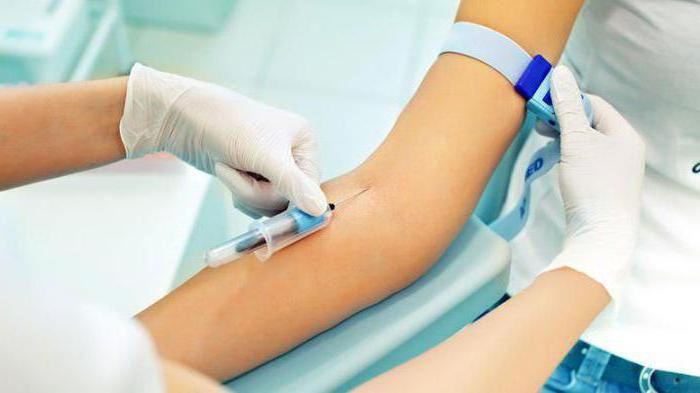
Ultimate Guide to Phlebotomist Training: Gain Skills & Launch Your Healthcare Career
Embarking on a career as a phlebotomist is an excellent choice for those passionate about healthcare and helping others.As a crucial member of medical teams, phlebotomists skillfully draw blood for testing, donations, and medical research. If you’re curious about how to become a certified phlebotomist, this complete guide will walk you through the essential steps, training programs, certification requirements, and practical tips to launch your successful healthcare career.
Introduction
In the evolving healthcare landscape,phlebotomy is an in-demand skill with promising job opportunities. This profession offers a path to stable employment, competitive salaries, and opportunities for advancement. Whether you’re starting fresh or considering a career switch, understanding the fundamentals of phlebotomist training and certification is key to entering this dynamic field.This guide covers everything-from the necessary skills and training programs to practical tips for success and real-life case studies.
What Is a Phlebotomist?
A phlebotomist is a healthcare professional trained to collect blood samples efficiently and safely.They work in a variety of settings including hospitals, clinics, blood banks, and diagnostic laboratories.The primary responsibilities involve:
- Preparing patients and explaining procedures
- Drawing blood using needles and vacuum tubes
- Labeling and processing blood specimens accurately
- Ensuring patient comfort and safety
Essential Skills and Qualities of a Successful Phlebotomist
To excel as a phlebotomist,certain skills and personal qualities are vital:
- Attention to detail: Ensuring correct labeling and handling of samples
- dialog skills: Comforting and explaining procedures to patients
- Manual dexterity: Precise needle placement
- Patience and compassion: Handling anxious or nervous patients
- Physical stamina: Standing for long periods and handling equipment
Phlebotomist Training Programs: How to Get Started
Becoming a certified phlebotomist begins with proper training. There are various educational pathways, including vocational schools, community colleges, vocational training programs, and online courses. Here’s what you need to know:
Prerequisites
- Minimum of a high school diploma or equivalent
- Basic understanding of biology and anatomy
- Background check and immunizations (may be required)
Training Content
Phlebotomy training covers:
- anatomy and physiology (especially circulatory system)
- Venipuncture techniques
- Safety procedures and infection control
- Handling and processing laboratory specimens
- Patient interaction and communication skills
Training Duration & format
Most programs range from 4 weeks to 6 months,depending on the intensity and delivery mode. Options include:
- In-person classroom training
- Online or hybrid courses
- Practical internship or clinical practice
Certification and Licensing: Your Gateway to Employment
While certification requirements vary by state and employer, obtaining a professional certification significantly enhances job prospects and credibility.
Certified Phlebotomy Technician (CPT)
The most recognized credential is the Certified Phlebotomy Technician (CPT), offered by organizations like the American Society for Clinical Pathology (ASCP) and the National Phlebotomy Association (NPA).
certification Requirements
| Organization | Requirements | Exam Details |
|---|---|---|
| ASCP | Completed an approved training program + clinical experience | Multiple-choice exam (100 questions) |
| NPA | Completion of a recognized training program + 40 hours clinical practice | Written exam (75 questions) |
| ABIL No | Varying by state; some require licensing | Written and practical assessments |
Renewal & Continuing education
Most certifications require renewal every 2 years, often through continuing education courses. Staying updated on the latest procedures ensures ongoing job performance and certification compliance.
Practical Tips for Success in Phlebotomy Training and Careers
- Practice diligently: Repeated practice during clinical training improves skill and confidence.
- Develop good rapport: Building trust with patients facilitates easier blood draws.
- Maintain professionalism: Punctuality, hygiene, and respectful communication are essential.
- Stay informed: Keep abreast of medical guidelines and safety protocols.
- Seek internships or volunteer opportunities: real-world experience enhances your resume.
Case Study: From Trainee to Certified Phlebotomist
Meet Lisa: A dedicated individual who transitioned from a healthcare assistant to a certified phlebotomist within 6 months. After completing a certified training program, Lisa secured an internship at a local hospital, gaining hands-on experience. Her proactive attitude, combined with certification, led to a stable job with opportunities for advancement in the medical laboratory department.
First-Hand Experience: What to Expect During Your Clinical practice
clinical practice is where you put theory into action. Expectations include:
- Assisting with real blood draws under supervision
- Learning patient interaction skills
- Applying safety and infection control measures
- Gaining confidence in handling various patient scenarios
This phase is crucial to build competence and ensure you meet certification standards.
Benefits of Becoming a Certified Phlebotomist
- Entering a high-demand healthcare field
- Possibility for flexible work schedules
- Competitive starting salaries ($30,000 – $45,000 annually)
- Potential for career advancement into roles like medical lab technician or healthcare supervisor
- sense of fulfillment aiding patients during medical procedures
Additional Practical Tips for Aspiring phlebotomists
- Research accredited training programs in your area
- Invest in good quality supplies and practice tools at home
- Network with healthcare professionals for mentorship opportunities
- Prepare thoroughly for certification exams with practice questions
- Always prioritize patient safety and comfort
Conclusion
Starting a career as a licensed or certified phlebotomist is an achievable goal with the right training, dedication, and attitude. This guide has outlined the essential steps-from choosing the right training program and gaining practical experience to obtaining certification and advancing your career in healthcare. Whether you’re passionate about patient care, interested in laboratory sciences, or seeking a rewarding healthcare profession, phlebotomy offers a meaningful and stable career path.Begin your journey today and make a difference in the lives of patients while building a fulfilling healthcare career!