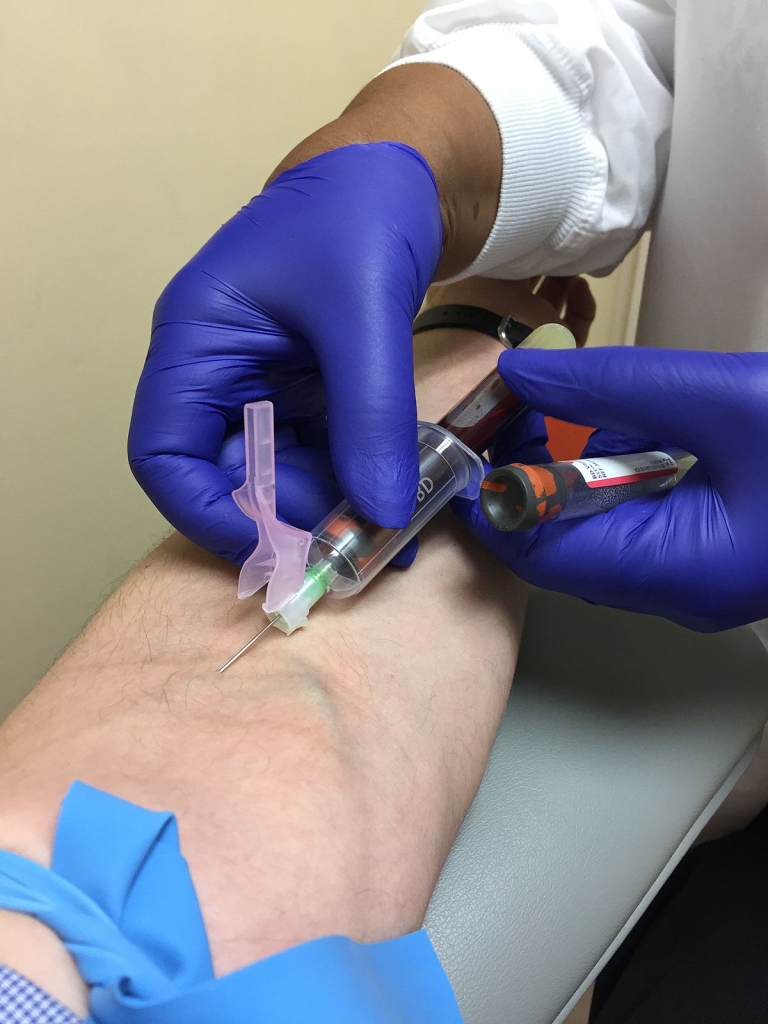
Complete Your Expertise: Essential Guide to Blood Drawing Certification for Healthcare Professionals
If you’re a healthcare professional seeking to expand your skill set, obtaining a blood drawing certification is a crucial step.Not only does it enhance your competence, but it also opens doors to new career opportunities in medical and clinical settings. This extensive guide provides everything you need to know about blood drawing certification, from requirements and benefits to practical tips and real-world experiences. Let’s dive in and help you advance your healthcare profession with confidence!
Understanding Blood Drawing Certification: Why It Matters
Blood drawing, or phlebotomy, is a fundamental skill in healthcare - vital for diagnostic testing, blood donation, and patient care. Certification signifies your proficiency and adherence to safety standards, making you a valuable asset in medical environments. Whether you’re a nurse, medical assistant, or allied health professional, obtaining certification is a step toward professional credibility, better job prospects, and improved patient outcomes.
Who Needs Blood Drawing Certification?
While requirements vary by state and healthcare facility, generally, the following professionals pursue blood drawing certification:
- Medical assistants
- Nurses and Nurse Practitioners
- X-ray and Radiology Technicians
- Laboratory Assistants
- Phlebotomists seeking certified credentials
Essential Requirements for blood Drawing Certification
Before applying for certification, ensure you meet the prerequisites set by certifying agencies and your state regulations. Moast programs require:
- High school diploma or equivalent
- Completion of a phlebotomy training program
- Hands-on clinical experience in blood collection
- CPR certification (sometimes required)
Steps to Obtain Blood Drawing certification
1. Enroll in a accredited Phlebotomy Training Program
Choose a program accredited by recognized bodies such as National Accrediting Agency for Clinical Laboratory sciences (NAACLS) or American Society for Clinical Pathology (ASCP). Courses typically cover anatomy, specimen handling, safety protocols, and hands-on practice.
2. Complete Practical Training and Clinical Hours
Ensure your program offers supervised clinical experience, essential for skill mastery and confidence. Many certification exams include a practical assessment.
3.Prepare and Pass the Certification Examination
Most certifying bodies offer exams that test theoretical knowledge and practical skills. Common organizations include:
- American Society for Clinical Pathology (ASCP)
- National Phlebotomy Association (NPA)
- American Medical Technologists (AMT)
4. Maintain Certification with Continuing Education
once certified, ongoing education ensures you stay current with industry standards and renew your credentials as required.
Top Certification Agencies and Their Requirements
| Agency | Certification Name | Prerequisites | Exam Details |
|---|---|---|---|
| American Society for Clinical Pathology (ASCP) | Certified Phlebotomy Technician (CPT) | Completed approved training + clinical hours | Multiple-choice exam, 2 hours |
| National Phlebotomy Association (NPA) | Certified Phlebotomy Technician (CPT) | Training + 40 successful venipunctures | Written exam + practical assessment |
| American Medical Technologists (AMT) | Registered phlebotomy Technician (RPT) | Training + clinical hours | Computer-based exam |
Benefits of Blood Drawing Certification
Holding a blood drawing certification offers numerous advantages that support your career progress:
- Enhanced Career Opportunities: Work in hospitals, clinics, labs, or mobile phlebotomy services.
- Increased Credibility: Demonstrates your expertise and commitment to patient care.
- Higher Earning Potential: Certified professionals frequently enough command better salaries.
- Improved Patient Safety: Adherence to best practices reduces complications and errors.
- Legal Compliance: Meets regulatory standards required in many states.
Practical Tips for Aspiring Certified Phlebotomists
- Choose Accredited Programs: Always enroll in reputable courses recognized by national agencies.
- Gain Hands-On Experience: Practice as much as possible during your training for confidence in real situations.
- Focus on Safety Protocols: Strictly adhere to sterilization, patient identification, and sample handling procedures.
- Prepare for the Exam: Use practice tests and study guides to strengthen your knowledge base.
- Stay Current: Participate in continuing education and workshops to keep your skills sharp.
Case Study: Successful Blood Drawing Certification Journey
Meet sarah, a medical assistant aiming to become a certified phlebotomist. She enrolled in a recognized training program, completed her clinical hours in a busy hospital, and studied intensively for her exam. By obtaining her certification through the ASCP, she expanded her role, earning a higher salary and gaining confidence in her skills. Sarah’s story exemplifies how dedication and proper training can transform your healthcare career.
First-Hand Experience: What to Expect During Your Certification Process
During your practical training, expect supervised blood draws to familiarize yourself with venipuncture techniques, patient interaction, and safety measures. The certification exam tests your theoretical knowledge and practical proficiency.Many students report feeling well-prepared when they focus on mastering core skills and understanding protocol standards. Remember,patience and practice are key to becoming a certified,competent blood collector.
Conclusion: Take the Next Step toward Professional Excellence
Securing a blood drawing certification is an essential milestone in your healthcare journey. It elevates your professional profile, broadens your career opportunities, and enhances patient safety. By selecting accredited training programs, gaining sufficient hands-on experience, and passing recognized certification exams, you solidify your expertise and dedication to quality care. Embrace this opportunity to master a vital healthcare skill and complete your professional expertise today!
Ready to advance your healthcare career? start exploring certification programs and take your first step toward becoming a certified blood drawing specialist.