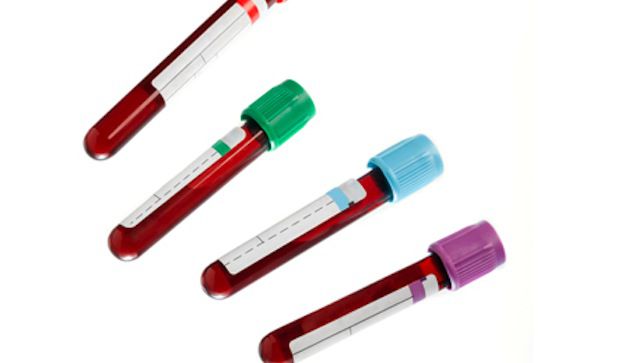
complete Guide to Education & Certification for Aspiring Phlebotomists
Embarking on a career as a phlebotomist is an excellent choice for those passionate about healthcare and patient support.With the right education, proper certification, and practical experience, you can become a highly valuable member of medical teams drawing blood, conducting tests, and ensuring patient safety. This thorough guide aims to walk you thru every step of the process, from educational prerequisites to certification pathways, practical tips, and real-world insights.
Introduction
Phlebotomy is a vital healthcare profession focused on the collection of blood samples for testing, donation, or research purposes. As demand for blood testing and donation increases, so does the need for qualified phlebotomists. Understanding the educational requirements and certification procedures is crucial for aspiring professionals eager to enter this dynamic field. This guide offers an in-depth look into the pathway to becoming a certified phlebotomist,ensuring you are well-equipped to achieve your career goals.
Educational Requirements for Aspiring Phlebotomists
High School Diploma or Equivalent
The foundational educational requirement for becoming a phlebotomist is a high school diploma or GED. This qualification provides the basic skills needed to pursue specialized training in phlebotomy.
Post-Secondary Education Options
- Certificate Programs: Short-term courses that focus specifically on phlebotomy techniques.
- Associate Degree: A two-year program in medical assisting,healthcare,or related fields that include phlebotomy training.
- Vocational Schools & Community Colleges: Offer accredited courses in phlebotomy with practical components.
Curriculum Content
Educational programs cover essential topics such as:
- Basic anatomy and physiology
- Blood collection techniques
- Venipuncture procedures
- Safety protocols and infection control
- patient communication and ethics
- Equipment handling and specimen processing
The Certification Process for Phlebotomists
Why Certification Matters
Although some states do not legally mandate certification, obtaining one considerably boosts your job prospects, earning potential, and credibility. Healthcare employers often prefer or require certified phlebotomists to ensure quality and safety standards are maintained.
Certifying Organizations
Several reputable organizations offer certification exams for aspiring phlebotomists,including:
- National Healthcareer Association (NHA)
- American Society for Clinical Pathology (ASCP)
- National Phlebotomy Association (NPA)
- American Medical Technologists (AMT)
Eligibility Criteria
| Organization | Required Education | Work Experience | Additional requirements |
|---|---|---|---|
| NHA | High school diploma or GED | None required (training completion suffices) | Completed a phlebotomy program |
| ASCP | High school diploma | At least 1,040 hours of supervised phlebotomy work | Completion of approved training program |
| NPA | High school diploma or GED | Minimum 40 hours of clinical training | Paid or volunteer experience preferred |
| AMT | High school diploma or GED | 150 hours of training or 1 year of clinical experience | Completion of an approved program |
Preparing and Passing the Certification Exam
Preparation strategies include:
- Enrolling in accredited phlebotomy certification courses
- Reviewing practice exams and sample questions
- Understanding safety and infection control protocols
- Practicing venipuncture techniques in simulated environments
Once prepared,schedule your exam through the certifying organization,and aim to achieve a passing score to become certified.
Benefits of Certification for Aspiring Phlebotomists
- Enhanced Job Opportunities: Many healthcare facilities prefer hiring certified professionals.
- Higher Earning Potential: Certification often correlates with increased salaries.
- Professional Credibility: Certification demonstrates your competence and commitment.
- Career Advancement: Opens pathways to specialized roles or supervisory positions.
Practical Tips for Success in Your Phlebotomy career
- Gain hands-on experience through internships or volunteer work.
- Stay updated with the latest industry standards and best practices.
- Build strong communication skills to interact effectively with patients.
- Prioritize safety and infection control protocols to protect yourself and others.
- Join professional associations and networks for support and continuous education.
Real-Life Case Studies
Case Study 1: From Student to Certified Professional
Jane started her journey by enrolling in a reputable phlebotomy certificate program and completed her clinical hours at a local hospital. After passing her certification exam with NHA, she secured a position at a community clinic and later pursued additional certifications to specialize in pediatric phlebotomy. Jane’s story exemplifies the importance of comprehensive education and certification in advancing a healthcare career.
Case Study 2: Overcoming Challenges in Certification
Mike faced difficulties passing the certification exam initially. Recognizing the gap,he enrolled in extra practice courses and sought mentorship from experienced phlebotomists. With perseverance, he passed the exam on his second attempt and now works confidently in a busy hospital setting, highlighting the value of dedicated preparation and ongoing learning.
First-Hand experience: What It’s Like to Be a Phlebotomist
many aspiring phlebotomists find the role rewarding-helping patients, working in fast-paced environments, and continuously learning new skills.effective communication,patience,and attention to detail are essential qualities. Practical experience during training solidifies theoretical knowledge and builds confidence in performing blood draws accurately and safely.
Conclusion
Becoming a certified phlebotomist is a rewarding journey that combines proper education, professional certification, and practical experience. By understanding the educational pathways, certification requirements, and practical tips laid out in this guide, you are well on your way to launching a successful career in healthcare. Remember, continuous learning and professional development are key to staying ahead in this vital field. Start your journey today and make a difference in patients’ lives as a skilled and certified phlebotomist!