Complete Guide to a Phlebotomy technician Job Description: Skills, Responsibilities & Career Insights
Are you considering a career in healthcare that combines technical skill, patient interaction, and vital contributions to diagnostic processes? Becoming a phlebotomy technician might be the perfect fit! this complete guide will explore the phlebotomy technician job description, essential skills, core responsibilities, career prospects, and helpful tips to excel in this rewarding healthcare role.
Introduction
The demand for healthcare professionals continues to grow as medical technology advances and patient care becomes more sophisticated. Among these professionals,phlebotomy technicians play a crucial role in collecting blood samples for testing,diagnosis,and research. Their expertise directly impacts patient outcomes by ensuring accurate and safe specimen collection.
if you’re passionate about healthcare, enjoy patient interaction, and want a fulfilling career with certification versatility, a role as a phlebotomy technician could be ideal. Let’s dive into what this role entails, the skills required, responsibilities involved, and how to advance your career in this field.
What Is a Phlebotomy Technician?
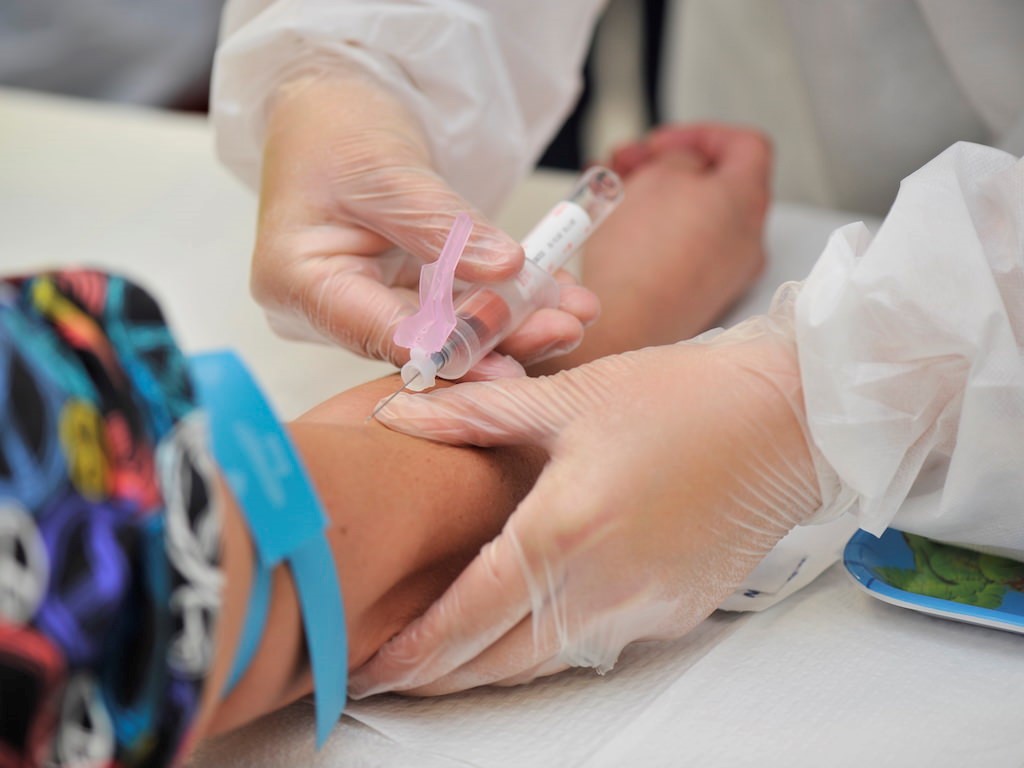
A phlebotomy technician,also known as a phlebotomist,specializes in drawing blood samples from patients for clinical testing,blood donations,and research purposes. They work in various settings including hospitals, laboratories, clinics, blood banks, and outpatient care centers. The primary goal is to perform venipuncture and capillary collection safely, efficiently, and with the utmost regard for patient comfort.
Core Responsibilities of a Phlebotomy Technician
| Responsibility | Details |
|---|---|
| Patient Identification | Verifying patient identity using identifiers like name and date of birth to ensure accuracy and safety. |
| Blood Collection | Performing venipuncture and skin puncture to collect blood samples using sterile techniques. |
| Sample Labeling & Handling | Correctly labeling samples and handling them according to protocols to prevent contamination or misidentification. |
| Equipment Maintenance | Preparing, sterilizing, and maintaining collection equipment to ensure safety standards. |
| Patient Comfort & Care | Explaining procedures, providing reassurance, and managing patient discomfort during blood draws. |
| Record Keeping | Accurately documenting collection details, patient information, and sample identifiers. |
| Following Safety Protocols | Adhering to infection control practices and OSHA guidelines to protect patients and staff. |
| Shipment & Storage | Properly transporting and storing samples for laboratory testing or analysis. |
Skills Essential for a Phlebotomy Technician
Success in the phlebotomy field hinges on a mix of technical skills and soft skills. Here are the key skills required:
- Technical proficiency: Mastery of venipuncture and capillary collection techniques.
- Attention to detail: Precise labeling and documentation to prevent errors.
- Strong dialog skills: Clearly explaining procedures to patients and calming anxious individuals.
- Patience and empathy: Handling diverse patient needs with compassion.
- Physical dexterity: Steady hands and good eyesight for effective blood draws.
- Knowledge of safety standards: Infection control, sterilization, and disposal protocols.
- Institution skills: Managing multiple samples and maintaining accurate records efficiently.
- Problem-solving ability: Handling difficult draws or unexpected issues calmly and effectively.
Qualifications & Certification for Phlebotomy technicians
While requirements can vary by state and employer, most employers prefer candidates with formal training and certification. Typical qualifications include:
- High school diploma or equivalent
- Completed a phlebotomy training program (usually 40-120 hours)
- Certified phlebotomy technician (CPT) credential from recognized organizations such as the American Society for Clinical Pathology (ASCP) or the National Healthcareer Association (NHA)
- CPR certification (often required)
Career Pathways & Job Outlook
The role of a phlebotomy technician offers promising career opportunities with room for advancement. Professionals can pursue additional certifications or training to specialize in areas such as inpatient phlebotomy, forensic blood collection, or mobile phlebotomy.
Average Salary & Employment Statistics
| Factor | Details |
|---|---|
| Average Salary | $36,000 - $45,000 annually (varies by location) |
| Job Growth | Projected 12% increase over the next decade – faster than average |
| Work Settings | hospitals, clinics, laboratories, blood banks, mobile units |
| Potential for Advancement | Supervisory roles, specialized fields, or administrative positions |
Benefits of Being a Phlebotomy Technician
- Quick entry into healthcare: Short training programs allow for faster career start.
- Job stability: Consistent demand in medical settings.
- Flexible schedules: Opportunities for part-time, full-time, or evening shifts.
- Personal fulfillment: Direct patient interaction and making a difference in healthcare.
- potential for higher education: Opportunities to expand into nursing, medical assisting, or laboratory technician roles.
practical Tips for aspiring Phlebotomy Technicians
- Invest in Certification: Obtain recognized credentials for better job prospects.
- gain Hands-On Experience: Volunteer or seek internships to hone your skills.
- Prioritize Patient Comfort: use gentle techniques and communicate effectively.
- Stay Updated: Keep abreast of safety standards and new collection technologies.
- Build Soft Skills: Empathy, patience, and strong communication are vital for success.
First-Hand Experience & Case Study
Case: Handling Difficult Blood Draws
Jane, a newly certified phlebotomist, faced her first challenging patient – a child fearful of needles. By employing calming techniques, explaining the process in age-appropriate language, and using smaller needles, she successfully completed the draw without distress. This experience underscored the importance of soft skills and patience in the role.
Conclusion
The role of a phlebotomy technician is an essential component of the healthcare system. It combines technical expertise, compassionate patient care, and meticulous attention to detail, making it a fulfilling and stable career choice. With the right training, certification, and soft skills, you can excel in this dynamic field while opening doors to further healthcare opportunities. Whether you’re starting your career or seeking to expand your skills, understanding the phlebotomy technician job description and responsibilities is the first step toward success in this rewarding profession.