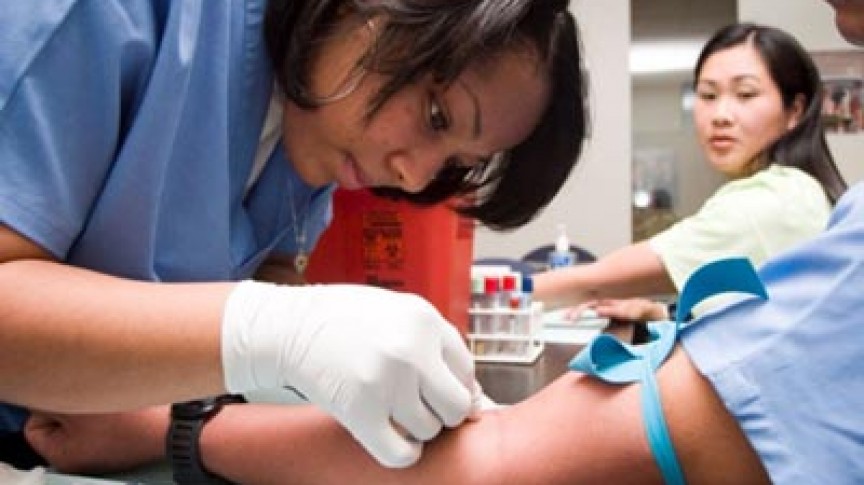
Top Certified Phlebotomy Exam Questions & Answers: Your Ultimate Practice Guide
Embarking on a career in phlebotomy is an exciting journey that combines precision, patient care, adn attention to detail. One of the notable milestones for aspiring phlebotomists is passing the certified phlebotomy exam.To help you succeed,we’ve compiled the top certified phlebotomy exam questions and answers in this comprehensive practice guide. Whether you’re just starting or are close to your certification, this article will prepare you with valuable insights and practical tips to ace your exam!
Understanding the Certified Phlebotomy Exam
The certified phlebotomy exam assesses your knowledge and skills related to blood collection, safety protocols, specimen handling, and patient interactions. The exam typically covers topics like anatomy, blood collection procedures, equipment, infection control, and legal considerations. Achieving certification demonstrates your competence and commitment to professional standards, boosting your employability and confidence.
Why Practice with Certified Phlebotomy Exam Questions & Answers?
- Identify knowledge gaps and focus your study efforts effectively.
- Familiarize yourself with the exam structure and question types.
- Build confidence and reduce exam-day anxiety.
- Practice time management for multiple-choice questions.
Top Certified Phlebotomy Exam Practice Questions & Answers
1. What is the most common site for venipuncture in adult patients?
Answer: The median cubital vein in the antecubital fossa.
2.Which of the following is a contraindication for venipuncture?
- A.Swollen or irritated veins
- B. Presence of a blood clot (thrombus)
- C. Scar tissue at the site
- D. All of the above
Answer: D. All of the above
3. Which personal protective equipment (PPE) is mandatory during blood collection?
- a) Gloves
- b) mask
- c) Face shield
- d) All of the above
Answer: d) All of the above
4. How should a contaminated needle be disposed of?
Answer: In a puncture-resistant sharps container promptly after use.
5. What is the primary purpose of applying tourniquet during venipuncture?
Answer: To engorge the veins, making them easier to locate and puncture.
6. Which Anticoagulant is commonly used in EDTA tubes?
Answer: ethylenediaminetetraacetic acid (EDTA).
7. Name the sequence of draw for evacuated tube systems in phlebotomy.
| Order of Draw | Tube type | Color of Stopper |
|---|---|---|
| 1. | Blood culture bottles | Sterile (_Clear or Yellow w/ additive) |
| 2. | coagulation tubes | Purple or lavender |
| 3. | Serum tubes (clotted) | Red or marble |
| 4. | Plasma tubes | Green |
8. What is the correct needle size for adult venipuncture?
Answer: Typically 21 or 22 gauge.
9. How long should you apply pressure to the puncture site after blood collection?
Answer: At least 2 minutes or until bleeding stops to prevent hematoma formation.
10.Which is a key legal and ethical duty of a phlebotomist?
- a) Respect patient privacy and confidentiality
- b) Obtain informed consent
- c) Follow proper safety protocols
- d) All of the above
Answer: d) All of the above
Benefits of Practicing Certified Phlebotomy Questions & Answers
- Enhanced comprehension of fundamental and advanced concepts
- Increased confidence during the actual exam
- Better time management skills for answering questions effectively
- Reduced exam anxiety and stress
- Improved chances of passing the certification exam on the frist attempt
Practical Tips for Effective Exam Preparation
- Use reputable study guides and practice exams regularly.
- Join study groups or online forums for peer support and knowledge sharing.
- Focus on understanding protocols, safety, and patient care procedures.
- Practice blood collection techniques in a controlled environment or clinical setting.
- time yourself while taking practice tests to simulate the real exam environment.
Case studies & First-Hand Experience
Case Study 1: Handling Tough Veins
A 45-year-old patient has difficult veins, making venipuncture challenging. The professional decided to use a smaller gauge needle and warmed the site to dilate the vein,successfully completing the collection without patient discomfort. This highlights the importance of adaptability and patient care in certification practice.
First-Hand Experience Tip
Many successful phlebotomists stress the importance of calm dialog and patient reassurance. Establishing rapport can ease patient anxiety, making blood collection smoother and safer, a vital skill often tested in your exam.
conclusion
Achieving certification in phlebotomy is an essential step toward a rewarding healthcare career. Preparing effectively with top certified phlebotomy exam questions and answers empowers you to grasp core concepts, master practical skills, and approach your exam with confidence. Remember, consistent practice combined with a thorough understanding of blood collection procedures, safety protocols, and patient care makes all the difference. Use this guide as your ultimate practice resource, and you’ll be well on your way to passing your certification exam and excelling as a professional phlebotomist!