**Title: The Ultimate Guide to Phlebotomy: Everything You Need to Know in One Textbook**
**Introduction:**
Phlebotomy is the practice of drawing blood from patients for various medical purposes. It is a crucial aspect of healthcare that requires precision, skill, and knowledge. Whether you are a student looking to pursue a career in phlebotomy or a healthcare professional seeking to enhance your skills, having a comprehensive textbook can make a world of difference. In this ultimate guide to phlebotomy, we will cover everything you need to know in one convenient resource.
**Chapter 1: What is Phlebotomy?**
Phlebotomy is the process of collecting blood samples for medical testing, transfusions, donations, or research purposes. It involves venipuncture (drawing blood from veins) or dermal puncture (drawing blood from capillaries). Phlebotomists play a vital role in healthcare settings, ensuring accurate and safe blood collection procedures.
**Chapter 2: Importance of Phlebotomy Training**
Proper training is essential for phlebotomists to perform their duties effectively. Training programs cover topics such as anatomy, physiology, blood collection techniques, safety protocols, and infection control. By obtaining formal education and certification, phlebotomists can enhance their career prospects and demonstrate their expertise to employers.
**Chapter 3: Essential Skills for Phlebotomists**
Phlebotomists need a diverse set of skills to excel in their profession, including:
- Excellent communication and interpersonal skills
– Strong attention to detail
– Knowledge of medical terminology
– Ability to follow strict procedures and protocols
– Proficiency in venipuncture and dermal puncture techniques
**Chapter 4: Common Phlebotomy Procedures**
Phlebotomy procedures vary depending on the type of blood sample needed and the patient’s condition. Common procedures include:
– Venipuncture: Inserting a needle into a vein to collect blood
– Dermal puncture: Using a lancet to prick the skin for blood collection
– Blood culture collection: Obtaining blood samples for microbiological analysis
– Fingerstick testing: Testing blood glucose levels using a finger prick
**Chapter 5: Phlebotomy Equipment and Supplies**
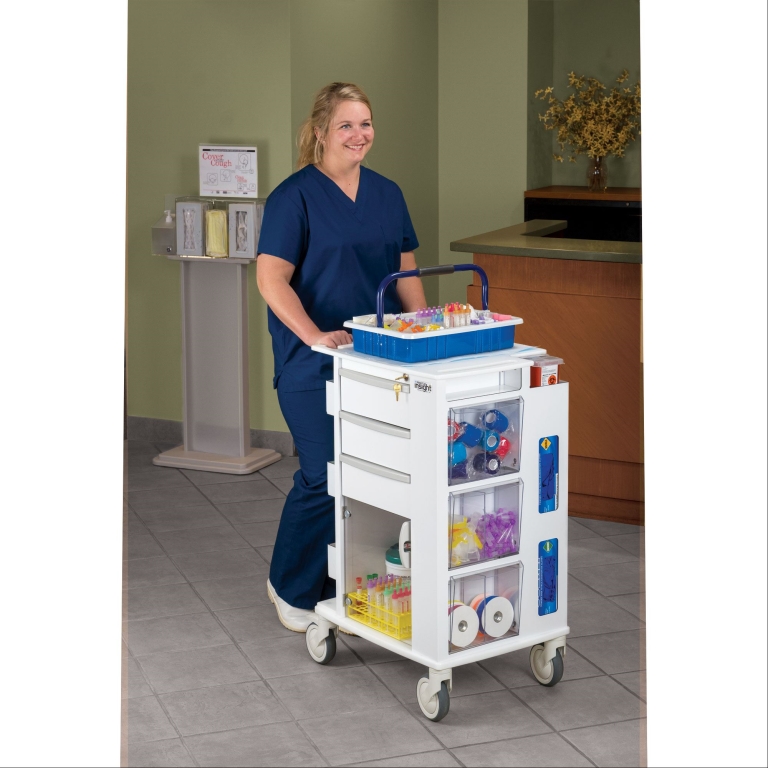
Phlebotomists use a variety of equipment and supplies to perform blood collection procedures, including:
– Needles: Used for venipuncture and dermal puncture
– Vacutainer tubes: Containers for collecting blood samples
– Tourniquets: Devices to constrict blood flow and make veins more visible
– Alcohol swabs: Used to disinfect the skin before blood collection
**Chapter 6: Best Practices in Phlebotomy**
Adhering to best practices is essential for ensuring patient safety and accurate test results. Some best practices in phlebotomy include:
– Properly identifying patients before blood collection
– Following aseptic techniques to prevent infections
– Labeling blood samples accurately and securely
– Disposing of sharps safely and responsibly
**Chapter 7: Phlebotomy Certification and Career Opportunities**
Obtaining phlebotomy certification can enhance job prospects and demonstrate proficiency in the field. Certified phlebotomists can find employment in hospitals, clinics, laboratories, blood donation centers, and other healthcare settings. Career opportunities for phlebotomists are expected to grow as the demand for healthcare services increases.
**Conclusion:**
phlebotomy is a vital healthcare practice that requires specialized skills and knowledge. By referring to this ultimate guide to phlebotomy, you can gain a comprehensive understanding of the field and enhance your proficiency as a phlebotomist. Whether you are a student, a healthcare professional, or someone interested in pursuing a career in phlebotomy, this guide is your go-to resource for everything you need to know. Stay informed, stay skilled, and make a positive impact in the field of phlebotomy.
**References:**
– American Society of Phlebotomy Technicians. (n.d.). “Phlebotomy Certification.” Retrieved from [https://www.aspt.org/certification](https://www.aspt.org/certification)
– National Healthcareer Association. (n.d.). “Phlebotomy Technician Certification (CPT).” Retrieved from [https://www.nhanow.com/certifications/phlebotomy-technician](https://www.nhanow.com/certifications/phlebotomy-technician)