# The Ultimate Guide to Phlebotomy Draw Order: Everything You Need to Know
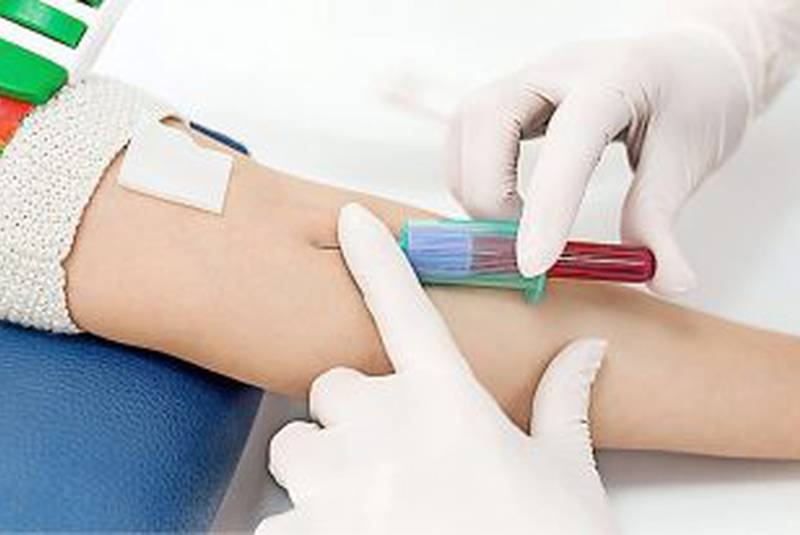
If you’re in the field of phlebotomy, you understand the importance of proper draw order when collecting blood samples. The draw order refers to the sequence in which different colored tubes are used to collect blood from a patient. Each tube contains a specific additive that helps preserve the blood sample for various laboratory tests. In this comprehensive guide, we will explore everything you need to know about phlebotomy draw order, including its significance, the correct sequence, and practical tips for success.
## Why Is Phlebotomy Draw Order Important?
Phlebotomy draw order is crucial for several reasons:
1. **Preserving Sample Integrity**: Using the correct draw order ensures that each tube contains the appropriate additive to maintain the integrity of the blood sample.
2. **Preventing Contamination**: Drawing blood in the correct sequence helps prevent contamination of samples, which could lead to inaccurate test results.
3. **Efficiency**: Following a standardized draw order ensures that the laboratory receives properly labeled samples in the right tubes, streamlining the testing process.
4. **Patient Safety**: Proper draw order minimizes the risk of hemolysis (rupture of red blood cells), which can adversely affect test results and patient care.
## The Correct Phlebotomy Draw Order
The standard phlebotomy draw order typically follows this sequence:
1. **Yellow Tube**: This tube contains an additive for blood cultures and should be collected first to prevent contamination.
2. **Light Blue Tube**: Used for coagulation studies, such as PT/INR and PTT tests.
3. **Red Tube**: Contains no additive and is used for tests that require serum, such as chemistry panels.
4. **Gold or Tiger Top Tube**: Also used for serum tests but may contain a gel separator to separate serum from cells.
5. **Light Green Tube**: Contains heparin and is used for chemistry tests.
6. **Dark Green Tube**: Also contains heparin but is typically used for STAT chemistry tests.
7. **Lavender Tube**: Contains EDTA for hematology tests like CBC and blood smears.
8. **Pink Tube**: Contains EDTA for blood banking and immunohematology tests.
9. **Gray Tube**: Contains an anticoagulant for glucose testing, such as fasting blood sugar levels.
## Practical Tips for Success
To ensure accurate and efficient blood collection, consider the following tips:
– **Proper Patient Identification**: Always verify the patient’s identity before drawing blood to prevent errors.
– **Label Tubes Immediately**: Label each tube with the patient’s information as soon as it is filled to prevent mix-ups.
– **Use the Correct Order**: Follow the established draw order consistently for accurate results.
– **Handle Samples Carefully**: Treat blood samples gently to prevent hemolysis and ensure accurate test results.
– **Communicate with Patients**: Explain the procedure to patients and address any concerns to ensure a positive experience.
## Benefits of Proper Phlebotomy Draw Order
Following the correct draw order offers several benefits:
– **Accurate Test Results**: Properly collected samples lead to more accurate laboratory test results.
– **Efficiency**: Streamlining the collection process saves time for both phlebotomists and laboratory personnel.
– **Patient Safety**: Adhering to standardized practices promotes patient safety and quality care.
## Conclusion
understanding and implementing the correct phlebotomy draw order is essential for accurate laboratory test results, patient safety, and efficient workflow. By following the recommended sequence and incorporating best practices, phlebotomists can contribute to the overall quality of healthcare delivery. Remember to stay informed about any updates or changes in phlebotomy protocols to ensure you are providing the best possible care to your patients.