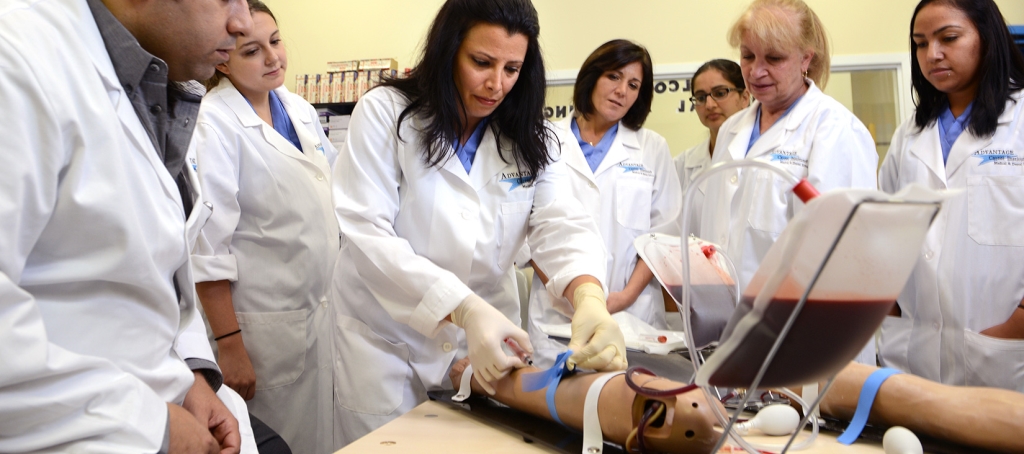
**Title: The Ultimate Guide to Hospital Phlebotomist Duties: What You Need to Know**
**Introduction:**
Hospital phlebotomists play a crucial role in the healthcare industry by drawing blood from patients for various medical purposes. Their duties go beyond just drawing blood, as they are responsible for ensuring the samples are collected accurately, safely, and efficiently. In this comprehensive guide, we will discuss everything you need to know about hospital phlebotomist duties.
**Hospital Phlebotomist Duties:**
**1. Collection of Blood Samples**
– One of the primary responsibilities of a hospital phlebotomist is to collect blood samples from patients.
– They must follow proper procedures to ensure the samples are collected in a sterile and safe manner.
– Phlebotomists also need to correctly label the samples and ensure they are sent to the lab for testing.
**2. Patient Interaction**
– Phlebotomists interact with patients on a daily basis and must have excellent communication skills.
– They need to explain the blood draw process to patients and address any concerns or questions they may have.
– Building rapport with patients helps to create a positive experience and ensures the blood draw goes smoothly.
**3. Equipment Maintenance**
- Hospital phlebotomists are responsible for maintaining and sanitizing their equipment.
– They need to ensure that their needles, tubes, and other supplies are clean and ready for use.
– Proper equipment maintenance is essential to prevent contamination and ensure accurate results.
**4. Record Keeping**
– Phlebotomists must accurately record and document the blood samples they collect.
– This includes noting the time and date of collection, the patient’s information, and any special instructions.
- Detailed record keeping is crucial for accurate patient identification and tracking of samples.
**5. Training and Education**
– Hospital phlebotomists undergo specialized training to learn the proper techniques for blood collection.
– They also need to stay up-to-date on new procedures and best practices in phlebotomy.
– Continuing education is essential for phlebotomists to provide high-quality and safe care to patients.
**Benefits of Hospital Phlebotomist Duties:**
1. Efficient Blood Collection: Hospital phlebotomists ensure blood samples are collected accurately and efficiently, saving time for both patients and healthcare providers.
2. Patient Satisfaction: By maintaining a positive interaction with patients, phlebotomists help reduce anxiety and discomfort during the blood draw process.
3. Accurate Test Results: Proper collection and handling of blood samples by phlebotomists are essential for obtaining accurate test results and providing quality patient care.
**Practical Tips for Hospital Phlebotomist Duties:**
– Always follow proper infection control protocols to prevent the spread of diseases.
– Prioritize patient safety and comfort throughout the blood draw process.
– Stay organized and maintain accurate records of all blood samples collected.
– Communicate effectively with patients to address their concerns and ensure a positive experience.
**Conclusion:**
Hospital phlebotomists play a vital role in the healthcare system by collecting blood samples for various medical tests. Their duties extend beyond just drawing blood, as they are responsible for interacting with patients, maintaining equipment, and ensuring accurate record-keeping. By following proper procedures and staying up-to-date on best practices, hospital phlebotomists can provide efficient and high-quality care to patients.
hospital phlebotomist duties are essential for the accurate diagnosis and treatment of patients. By understanding the responsibilities of a phlebotomist and following best practices, healthcare providers can ensure that blood samples are collected safely and efficiently.