**Title: The Ultimate Guide to Drawing Blood Jobs: How to Kickstart Your Career in Phlebotomy**
**Introduction:**
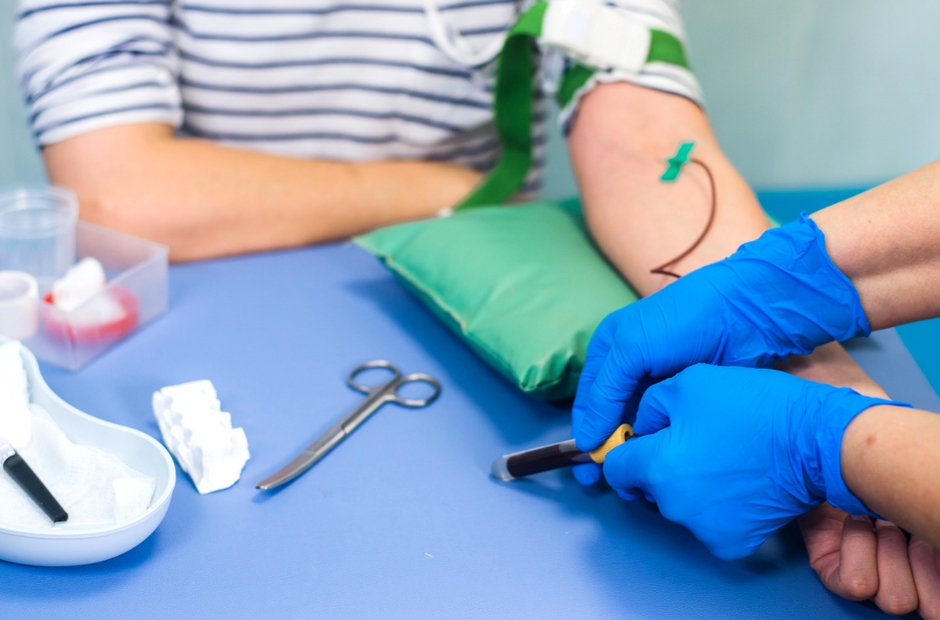
Are you interested in pursuing a career in healthcare that doesn’t require years of schooling? If so, becoming a phlebotomist might be the perfect path for you. Phlebotomy, the practice of drawing blood for medical testing, transfusions, donations, or research, is an essential role in the healthcare industry. In this comprehensive guide, we will explore how you can kickstart your career in phlebotomy, from training and certification to job opportunities and salary potential.
**Training and Certification:**
To become a phlebotomist, you will need to complete a training program that typically lasts a few months. These programs are offered by community colleges, vocational schools, and healthcare facilities. During training, you will learn how to properly draw blood, handle specimens, and maintain patient confidentiality. Upon completing the program, you can then pursue certification through organizations like the National Healthcareer Association (NHA) or the American Society for Clinical Pathology (ASCP).
**Job Opportunities:**
Phlebotomists can work in a variety of healthcare settings, including hospitals, clinics, laboratories, and blood donation centers. With the increasing demand for healthcare services, the job outlook for phlebotomists is promising. According to the Bureau of Labor Statistics, employment of phlebotomists is projected to grow 17% from 2019 to 2029, much faster than the average for all occupations.
**Salary Potential:**
The salary potential for phlebotomists varies depending on the location, employer, and level of experience. On average, phlebotomists in the United States earn around $35,000 per year. However, experienced phlebotomists working in metropolitan areas or specialty clinics can earn upwards of $50,000 per year.
**Benefits and Practical Tips:**
– Flexible scheduling: Many phlebotomists have the option to work part-time or on weekends, allowing for a better work-life balance.
- Job security: Healthcare is a stable industry, and phlebotomists are in demand across the country.
– Networking opportunities: Working in healthcare allows you to build relationships with other professionals and potentially advance your career.
**Case Studies:**
Meet Sarah, a recent phlebotomy graduate who secured a job at a local hospital shortly after completing her training. She credits her success to the hands-on experience she gained during her program and the support of her instructors. Sarah enjoys the variety in her day-to-day responsibilities and the opportunity to interact with patients and healthcare providers.
**Firsthand Experience:**
As a phlebotomist myself, I can attest to the rewarding nature of this career. Drawing blood requires precision and attention to detail, but the ability to help patients and contribute to their healthcare journey is incredibly fulfilling. If you have a steady hand, excellent communication skills, and a passion for helping others, a career in phlebotomy could be the perfect fit for you.
**Conclusion:**
embarking on a career in phlebotomy can be a fulfilling and rewarding experience. By completing a training program, obtaining certification, and securing a job in a healthcare setting, you can kickstart your journey towards becoming a skilled phlebotomist. Remember to stay up-to-date on industry trends, network with other professionals, and continue learning and growing in your field. With dedication and hard work, you can build a successful career in phlebotomy and make a positive impact on the lives of others.