**Title: The Ultimate Guide to Blood Draw Phlebotomy: Everything You Need to Know**
**Introduction:**
Phlebotomy, the process of drawing blood from a patient for various medical tests, is a crucial aspect of healthcare that requires specialized training and skills. In this comprehensive guide, we will explore everything you need to know about blood draw phlebotomy, including the process, techniques, equipment, and tips to ensure a successful and safe blood collection.
**Benefits of Blood Draw Phlebotomy:**
– Provides essential diagnostic information for healthcare professionals
– Helps in the early detection and treatment of various medical conditions
– Plays a key role in monitoring patients’ health and treatment progress
– Can lead to faster diagnosis and improved patient outcomes
**The Phlebotomy Process:**
1. Patient Identification:
- Verify patient’s identity using two unique identifiers (name, date of birth, medical record number).
2. Preparation:
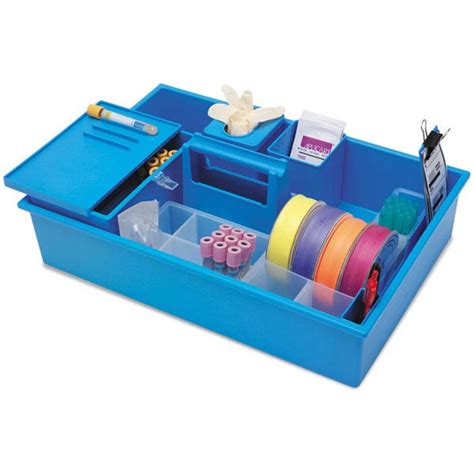
– Gather necessary supplies (needles, tubes, alcohol swabs, bandages).
3. Position the Patient:
– Choose a suitable vein for blood collection (common sites include antecubital fossa, hand veins).
4. Clean the Site:
- Disinfect the area with an alcohol swab to prevent infections.
5. Perform the Venipuncture:
– Insert the needle into the vein at the correct angle and depth.
6. Collect the Blood:
- Fill the appropriate tubes with the required amount of blood for each test.
7. Secure the Site:
- Remove the needle, apply pressure, and bandage the puncture site.
**Common Phlebotomy Techniques:**
– Venipuncture: Inserting a needle into a vein to draw blood.
– Fingerstick: Pricking the finger to collect a small amount of blood.
– Heelstick: Used for infants to collect blood from the heel.
**Essential Phlebotomy Equipment:**
1. Needles: Different sizes for various types of blood draws.
2. Collection Tubes: Vacutainer tubes for blood sample storage.
3. Tourniquet: Used to make veins more visible and easier to access.
4. Alcohol Swabs: Disinfect the skin before blood collection.
5. Bandages: Help stop bleeding after the blood draw.
**Practical Tips for Successful Phlebotomy:**
– Communicate with the patient to alleviate anxiety and ensure cooperation.
– Use proper techniques to minimize pain and discomfort during blood collection.
– Label tubes accurately to prevent sample mix-ups in the laboratory.
– Dispose of needles and biohazard materials safely to prevent contamination.
**Case Study:**
Sarah, a phlebotomist, successfully performed a venipuncture on a patient with difficult veins by using a warm compress to dilate the blood vessels. This technique helped her collect a blood sample without any complications, showcasing the importance of adaptability and problem-solving skills in phlebotomy.
**First-Hand Experience:**
As a seasoned phlebotomist, I have encountered various challenges during blood draws, such as fainting patients or difficult veins. With experience and patience, I have learned to overcome these obstacles and provide quality care to my patients while ensuring accurate blood collection.
**Conclusion:**
blood draw phlebotomy is a critical procedure in healthcare that requires precision, communication, and attention to detail. By following the guidelines outlined in this ultimate guide, healthcare professionals can perform successful blood draws, obtain accurate diagnostic information, and contribute to the overall well-being of their patients. Remember to always prioritize patient safety and comfort throughout the phlebotomy process.
By incorporating the tips, techniques, and equipment mentioned in this guide, phlebotomists can enhance their skills and provide high-quality care in blood collection procedures. Thank you for reading our comprehensive guide to blood draw phlebotomy. For more healthcare-related topics, stay tuned for our future articles.