**Title: The Ins and Outs of Pediatric Phlebotomy: What Parents Need to Know**
**Introduction:**
Pediatric phlebotomy, the process of drawing blood from children for medical tests, can be a daunting experience for both parents and little patients. Understanding the ins and outs of pediatric phlebotomy can help ease anxieties and ensure a smooth and successful blood draw. In this article, we will cover everything parents need to know about pediatric phlebotomy, from the preparation before the procedure to post-care instructions.
**Benefits of Pediatric Phlebotomy:**
Pediatric phlebotomy is a crucial tool in diagnosing and monitoring medical conditions in children. Some benefits of pediatric phlebotomy include:
– **Early Detection of Illnesses:** Blood tests can help detect diseases and conditions in children at an early stage, allowing for timely intervention and treatment.
– **Monitoring Treatment Progress:** Blood tests can help healthcare providers monitor the effectiveness of medications or treatments in children with chronic conditions.
– **Preventive Care:** Regular blood tests can help identify potential health concerns before they become serious issues.
**Preparation for Pediatric Phlebotomy:**
Preparing your child for a blood draw can help ensure a smooth and stress-free experience. Here are some tips to help you and your child prepare for pediatric phlebotomy:
– **Explain the Procedure:** Talk to your child about the blood draw in a calm and reassuring manner. Use age-appropriate language to explain what will happen during the procedure.
– **Stay Calm:** Children can pick up on their parents’ anxieties, so it’s essential to stay calm and positive throughout the process.
– **Distract Your Child:** Bring along your child’s favorite toy, book, or game to distract them during the blood draw.
– **Comforting Techniques:** Offer comfort measures like holding your child’s hand, singing a song, or providing a favorite blanket.
**The Pediatric Phlebotomy Process:**
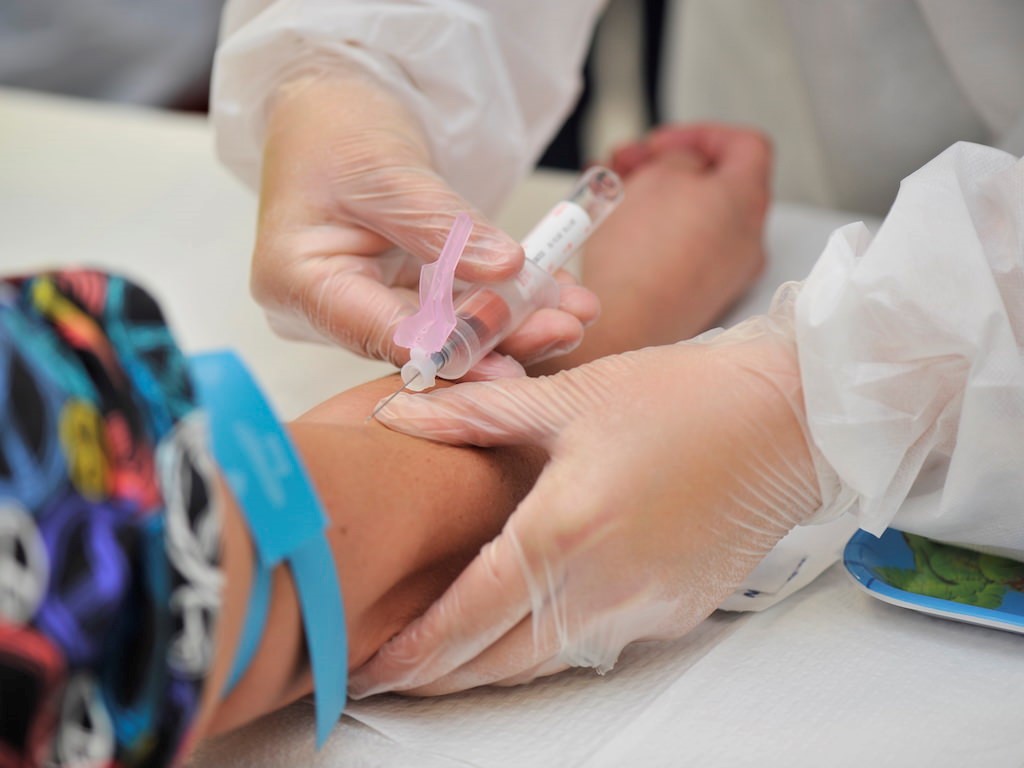
During pediatric phlebotomy, a trained phlebotomist or healthcare provider will:
1. Clean the skin with an alcohol swab.
2. Insert a small needle into a vein to draw blood.
3. Collect the blood sample in a tube or vial.
4. Apply pressure to the site to stop bleeding.
5. Bandage the site and provide aftercare instructions.
**Post-Care Instructions:**
After the blood draw, you may be given specific post-care instructions by the healthcare provider. Some general post-care tips include:
– Keep the bandage on for a few hours.
– Encourage your child to rest and stay hydrated.
– Watch for any signs of infection, such as redness or swelling at the site.
**Case Study:**
Samantha, a six-year-old girl, needed blood work to diagnose a persistent fever. Her mother, Sarah, prepared her for the blood draw by reading a storybook about visiting the doctor. During the procedure, Samantha held her favorite stuffed animal and sang a song with her mother. The distraction techniques helped Samantha stay calm, and the blood draw was successful.
**Conclusion:**
Pediatric phlebotomy is a crucial aspect of pediatric healthcare that can help diagnose and monitor medical conditions in children. By understanding the process, preparing your child, and following post-care instructions, you can help ensure a positive experience for your little one. Remember to stay calm, provide comfort, and communicate openly with your healthcare provider throughout the process. Remember, pediatric phlebotomy is a routine procedure that helps keep your child healthy and happy.
By following these tips and understanding the ins and outs of pediatric phlebotomy, you can help make the experience as smooth and stress-free as possible for both you and your child. Thank you for reading this article, and we hope you found it informative and helpful for your journey through pediatric phlebotomy.