Step-by-Step Guide: How to Easily Obtain Your Phlebotomy State license
Are you considering a career in phlebotomy? Obtaining your phlebotomy state license is a crucial first step toward a rewarding profession in the healthcare sector. This comprehensive guide will walk you through the process of obtaining your license with ease,ensuring you have all the necessary details to succeed.
What is Phlebotomy?
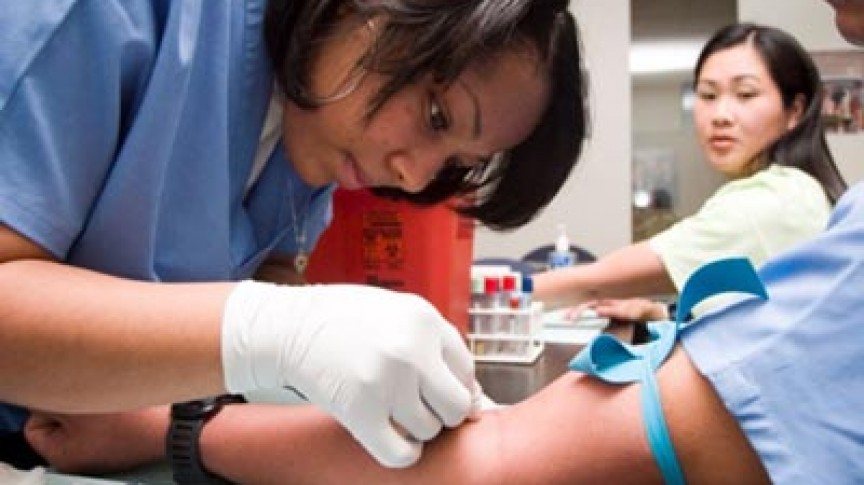
Phlebotomy is the practice of drawing blood from patients for various medical purposes, including diagnosis, treatment, and donation. Phlebotomists are vital members of the healthcare team, requiring strong technical skills and a compassionate approach toward patients.
Overview of Phlebotomy State licensure
Licensure requirements vary from state to state in the U.S., but thay generally require education, training, and passing a certification examination.A state license ensures that practitioners meet minimum standards of competence, offering reassurance to employers and patients alike.
Step-by-Step Process to obtain Your Phlebotomy State License
Step 1: Research State Requirements
Different states have different requirements for phlebotomy licensure. Begin by researching your state’s regulations regarding:
- Minimum education requirements
- Training programs
- Certification examinations
- Application process and fees
Step 2: Complete an Accredited Phlebotomy Training Program
Select and enroll in a state-approved phlebotomy training program. Ensure the program includes:
- Theory and practical coursework
- Hands-on practice in drawing blood
- Clinical internship or externship experience
Step 3: Gain Clinical Experience
Most states require a specific number of blood draws before you can apply for your license. Ensure that your training program offers ample clinical experience and maintains records of your blood draws.
Step 4: Obtain Certification
While not all states require certification, it greatly enhances your employability. Take certification exams through recognized organizations such as:
- American Society of Phlebotomy Technicians (ASPT)
- national Healthcareer Association (NHA)
- American certification Agency for Healthcare Professionals (ACA)
Step 5: Submit Your Application for a State License
Gather all necessary documents, including:
- Your diploma or certificate from the phlebotomy program
- Proof of clinical experience
- Certification exam results
- Application form and fees
Submit your application to the appropriate state board or agency that regulates phlebotomy practice.
Step 6: Stay Updated with Continuing Education
Once you receive your license, remember that many states require ongoing education to maintain licensure. Regularly updating your knowledge and skills will not only help you stay licensed but also advance your career.
Benefits of Being a Licensed Phlebotomist
Having a state license offers several key benefits, including:
- Increased job prospects and higher earning potential.
- Inherent credibility in the healthcare field.
- Access to a network of professional resources and continuing education opportunities.
Practical Tips for Aspiring Phlebotomists
- connect with professionals in the field for networking and mentorship opportunities.
- Join phlebotomy forums and online communities to gain insights and resources.
- Stay informed about changes in state legislation regarding licensure.
Real-Life Experience: Case Studies
Case Study 1: John, the Avid Learner
John was determined to become a phlebotomist despite minimal prior experience in healthcare. He researched his state’s requirements meticulously and chose a local accredited phlebotomy program. By actively participating in clinical practices and studying diligently for the certification exam, John not only obtained his license but also landed a job at a top clinic. His story emphasizes the importance of perseverance and thorough planning.
Case Study 2: Lisa’s Journey
Lisa, a single mother, wanted a stable career. After enrolling in an online phlebotomy program, she balanced her studies with family life. With strong support from her instructors and flexible training options, she successfully completed her clinical hours and obtained her state license. Lisa’s journey highlights how online education can provide opportunities for those with busy lifestyles.
Conclusion
Obtaining your phlebotomy state license can seem daunting at first, but with detailed planning and the right resources, the process is manageable. Remember to thoroughly research state requirements, gain hands-on experience, and seek certification to enhance your qualifications. The effort you put into becoming a licensed phlebotomist will open doors to an exhilarating career in healthcare, helping you make a real difference in patients’ lives.