Step-by-Step Guide: How to Earn Your Phlebotomy Certificate and Jumpstart Your Career
Are you considering a career in healthcare and looking for a way to get your foot in the door? Phlebotomy is an excellent choice! With relatively short training programs and high demand for skilled professionals, earning your phlebotomy certificate can be your stepping stone to a rewarding career. In this guide, we will walk you through the entire process, from the basics of phlebotomy to practical tips on how to get certified and start your new career.
What is Phlebotomy?
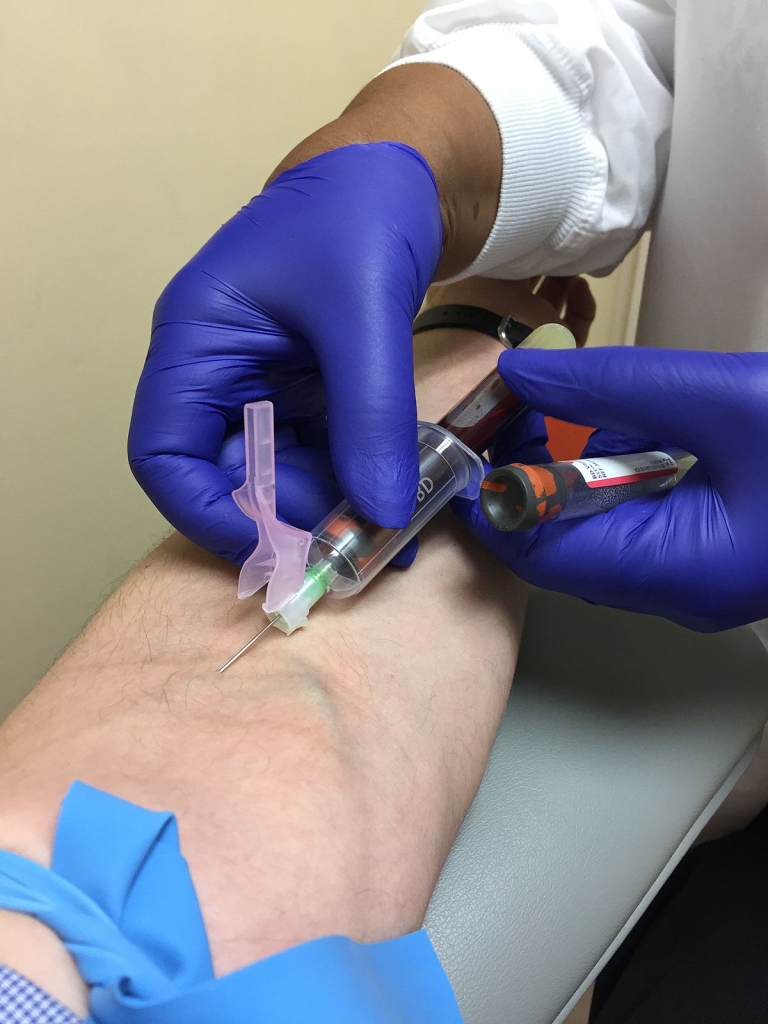
Phlebotomy is the practice of drawing blood from patients for clinical or medical testing, transfusions, donations, or research. Phlebotomists play a critical role in the healthcare system, ensuring that blood samples are collected safely and efficiently.
Why Choose a Career in Phlebotomy?
- High Demand: Phlebotomists are in high demand in hospitals, clinics, and laboratories.
- Short Training Time: Certificate programs typically take just a few months to complete.
- Good Earning Potential: The average salary for phlebotomists in the U.S. is competitive, with opportunities for advancement.
- Flexible Work Options: Many phlebotomy positions offer flexible hours, which can be beneficial for students or those with other commitments.
Step 1: Understand the Requirements
Before you embark on your journey to become a certified phlebotomist, it’s crucial to understand the basic requirements:
- High school diploma or equivalent
- Minimum age requirement (usually 18 years old)
Step 2: Research Training Programs
Phlebotomy training programs are offered by community colleges, vocational schools, and some hospitals. When researching programs, consider the following:
- Accreditation: Ensure the program is accredited by a recognized authority.
- Curriculum: Look for programs that cover both theoretical knowledge and practical skills.
- Duration: Programs typically range from a few weeks to several months.
- Cost: Tuition fees can vary significantly, so consider your budget.
Table: Comparing Phlebotomy Training Programs
| Program | Duration | Cost | Certification |
|---|---|---|---|
| Community College A | 6 Months | $1,200 | CPR & Phlebotomy |
| Vocational School B | 4 Months | $800 | Certified Phlebotomy Technician |
| Hospital C Program | 3 Months | $1,500 | Phlebotomy Certification |
Step 3: Enroll in a Phlebotomy Program
Once you’ve selected the right training program, it’s time to enroll. During the program, you will learn about:
- Human anatomy and physiology
- Blood collection techniques
- Patient interaction and communication
- Safety protocols and infection prevention
Step 4: Gain Practical Experience
Most phlebotomy programs include hands-on training, often through clinical placements. This experience is invaluable as it provides you with real-world skills. Here’s what to focus on:
- Practicing blood draws under supervision
- Familiarizing yourself with equipment, like needles and safety devices
- Learning how to handle patients and manage anxiety
Step 5: Take the Certification Exam
To become a certified phlebotomist, you must pass a certification exam. Here are some key points:
- Choose your certifying agency: Common options include the American Society for Clinical Pathology (ASCP), National Phlebotomy Association (NPA), and National Healthcareer Association (NHA).
- Review study materials: Use textbooks, online resources, and practice exams to prepare.
- Schedule your exam: Register well in advance.
Step 6: Find a Job as a Phlebotomist
With certification in hand, you can begin applying for phlebotomy positions. Consider these tips to enhance your job search:
- Build a strong resume: Highlight your training, certifications, and any relevant experience.
- Network: Connect with professionals in the field; consider joining phlebotomy associations.
- Prepare for interviews: Be ready to discuss your technical skills and experiences with patients.
Benefits of Earning Your Phlebotomy Certificate
Acquiring your phlebotomy certificate offers numerous benefits, including:
- A recognized credential that enhances your employability
- The ability to work in various healthcare settings
- Opportunities for career advancement and specialization
Case Study: Success Story of a Certified Phlebotomist
Meet Sarah, a recent graduate from a phlebotomy training program. After completing her courses, she took her certification exam and became a certified phlebotomist. Within weeks, she secured a position at a local hospital. Today, Sarah loves her job, enjoys patient interaction, and is exploring further education to specialize in laboratory technology.
Practical Tips for Success in Phlebotomy
- Stay calm under pressure: Your demeanor can influence patient comfort.
- Practice your skills: The more you practice, the more confident you’ll become.
- Take patient interactions seriously: Good communication is key to successful blood draws.
Conclusion
Earning your phlebotomy certificate is a fantastic way to jumpstart your career in healthcare. By following this step-by-step guide, you’ll be well on your way to becoming a skilled phlebotomist ready to make a difference in patients’ lives. Whether you’re looking for a fulfilling job or a pathway to further opportunities in medicine, phlebotomy offers a bright future. Embark on your journey today, and watch your career soar!