Start Your Healthcare Career Today: Ultimate Guide to Phlebotomy Technician Programs
Embarking on a career in healthcare can be incredibly rewarding, offering stability, growth opportunities, and the chance to make a meaningful difference in peopleS lives. One of the fastest pathways into the healthcare industry is through phlebotomy technician programs.These programs prepare aspiring professionals to perform blood draws and related laboratory procedures essential in medical diagnostics.
Introduction
Are you interested in entering the healthcare field but unsure where to start? A phlebotomy technician career might be the perfect fit. It requires minimal formal education, provides hands-on experience, and offers a pathway to further healthcare specialization. Whether you’re a recent graduate or considering a career change, understanding how to start your journey with phlebotomy technician programs is crucial.
What is a Phlebotomy Technician?
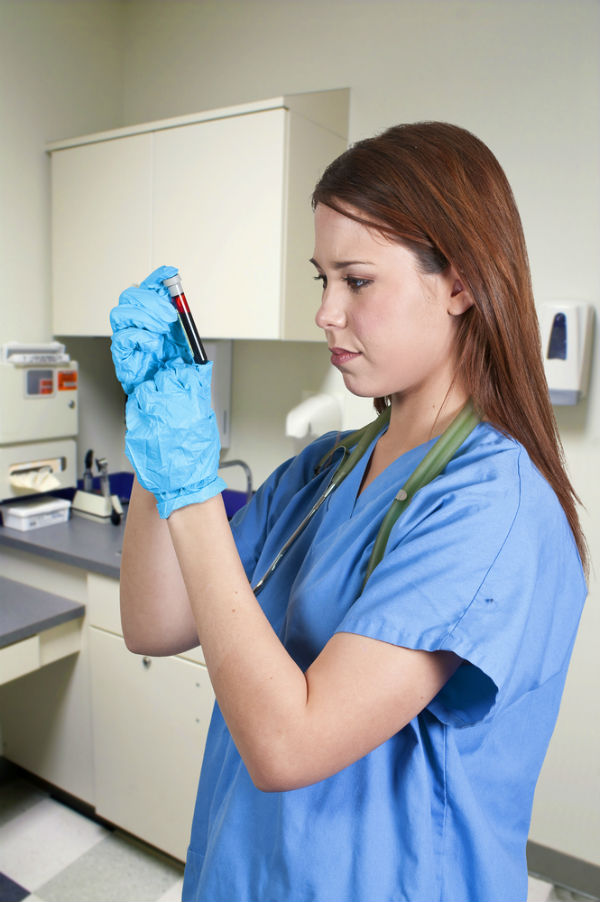
A phlebotomy technician is a healthcare professional responsible for collecting blood samples from patients for testing, transfusions, or donations. These technicians play a vital role in diagnostic laboratories, hospitals, clinics, and blood donation centers. Their work directly impacts patient care by ensuring accurate and safe blood collection procedures.
Why Choose a Career in Phlebotomy?
- High demand for skilled technicians in medical facilities nationwide
- Speedy training programs allowing you to start working within months
- Competitive salaries with room for growth
- Part-time or full-time opportunities suited to different lifestyles
- Personal fulfillment in helping save lives and improve health outcomes
how to Start Your Healthcare Career with Phlebotomy Technician Programs
Step 1: Research Your State’s Requirements
Before enrolling, verify the specific licensing or certification requirements in your state. Although some states mandate certification,others do not,but employer preferences often lean toward certified technicians. Visit your state’s health department website for detailed guidelines.
Step 2: Choose a Reputable Phlebotomy Program
Select a program that is accredited and provides extensive training, including vital theoretical knowledge and practical skills. Look for programs that include:
- Classroom instruction in anatomy, safety, and infection control
- Hands-on practice in blood collection techniques
- Preparation for certification exams
- Internship or externship opportunities in clinical settings
Step 3: Complete Your Training
The duration of phlebotomy technician programs ranges from 4 weeks to several months. Coursework typically covers:
- Basic anatomy and physiology
- Blood collection methods (venipuncture, capillary sticks)
- Patient interaction and communication skills
- Safety protocols and regulations
- Laboratory procedures and sample handling
Step 4: Obtain Certification
While certification is not always mandatory, earning a credential enhances job prospects. The most recognized certifications include:
| Certification | Issuing Institution | Requirements |
|---|---|---|
| Certified Phlebotomy Technician (CPT) | American Society for Clinical Pathology (ASCP) | Completion of accredited training + exam |
| National Healthcareer Association (NHA) Certified Phlebotomy Technician (CPT) | NHA | Training + exam + clinical experience |
| American Medical Technologists (AMT) Registered Phlebotomy Technician (RPT) | AMT | Completed training + credentialing exam |
Benefits of Certification and Licensing
- Enhanced employability and recognition in the healthcare field
- Access to higher-paying positions
- Opportunities for specialization and advancement
- Compliance with state and employer requirements
Practical Tips for Success in Your Phlebotomy Career
- Gain hands-on experience: Volunteer or seek internships during your training.
- develop excellent communication skills: Building patient rapport ensures smooth blood draws.
- Prioritize safety and hygiene: Adhere to OSHA and CDC guidelines.
- Stay current with industry updates: Continuing education can lead to career growth.
- Network with healthcare professionals: Join associations and attend workshops.
Case Study: A Day in the Life of a Phlebotomy Technician
meet Sarah, a certified phlebotomy technician working in a busy hospital. Her day involves:
- Preparing supplies and verifying patient identities
- Collecting blood samples efficiently and compassionately
- Labeling and processing specimens
- Maintaining sterilization and safety standards
- Documenting procedures accurately
Sar
ah finds fulfillment in helping diagnose health issues and enjoys the dynamic surroundings of healthcare facilities. Her certification and ongoing training have opened doors to management positions in the future.
First-Hand Experience: Why Choosing the Right Program Matters
Emily’s story highlights that selecting a reputable phlebotomy program can substantially impact your career. She chose a program that offered extensive practical training and certification prep,which helped her secure a job shortly after completing her course. Her advice? ”Invest in hands-on training and don’t underestimate the importance of certification.”
Conclusion
Starting your healthcare career with a phlebotomy technician program is an excellent choice for those seeking a fast, rewarding entry into the medical field. With proper training, certification, and a passion for helping others, you can build a fulfilling career in healthcare that offers growth, stability, and the chance to make a real difference. Take the first step today—research programs, get your training, and embark on a meaningful career path in healthcare as a certified phlebotomy technician!