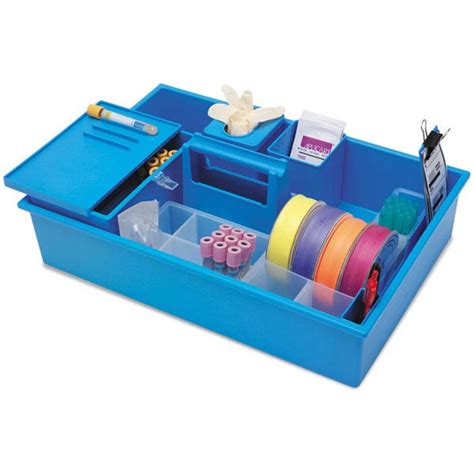
Unveiling the Role of a Phlebotomy Technician: skills, Responsibilities, and Career Path
Phlebotomy technicians are essential members of the healthcare team, primarily responsible for drawing blood from patients for various medical purposes. As the demand for healthcare services grows, understanding the role of a phlebotomy technician, including key skills, responsibilities, and potential career pathways, becomes increasingly important. This complete guide dives into these aspects, providing valuable insights for aspiring professionals.
What is a Phlebotomy Technician?
A phlebotomy technician is a specialized healthcare professional trained too perform blood draws and manage blood specimens. They work in a variety of settings, including hospitals, clinics, laboratories, and blood donation centers.Their role is critical, as accurate blood collection is vital for diagnostics, treatment, and patient monitoring.
Key Responsibilities of a Phlebotomy Technician
The responsibilities of a phlebotomy technician extend beyond just drawing blood. Here are some of their primary functions:
- Preparing and maintaining equipment and supplies for blood collection.
- Verifying patient identities and ensuring proper labeling of samples.
- Collecting blood through venipuncture or capillary puncture techniques.
- Ensuring patient comfort and safety during the collection process.
- Handling and transporting specimens to laboratories for analysis.
- Maintaining accurate records and documentation of procedures.
- Adhering to safety and sanitation standards to prevent contamination.
Essential Skills for Phlebotomy Technicians
To succeed as a phlebotomy technician, certain key skills are essential. These include:
- Technical Skills: Proficiency in venipuncture techniques and familiarity with blood collection tools.
- Attention to Detail: Meticulousness in specimen handling and documentation to prevent errors.
- Dialog Skills: Ability to interact with patients compassionately and effectively communicate procedures.
- Problem-Solving Skills: Aptitude for troubleshooting issues during blood collection.
- Time Management: Capability to manage multiple tasks efficiently in a fast-paced environment.
Education and certification Requirements
Becoming a phlebotomy technician typically requires a high school diploma or equivalent.Following that, aspiring technicians may choose to enroll in a formal phlebotomy training program, which often lasts 3-6 months.Such programs cover the necessary theoretical knowledge and practical skills and usually include the following:
- Instruction on anatomy,physiology,and laboratory techniques.
- Hands-on practice in clinical settings.
- Planning for certification exams.
Many employers prefer certification from recognized organizations, such as:
| Certification Body | Certification Available |
|---|---|
| American Society for Clinical Pathology (ASCP) | Phlebotomy technician (PBT) |
| National Phlebotomy Association (NPA) | Certified Phlebotomy Technician (CPT) |
| American medical Technologists (AMT) | Registered Phlebotomy Technician (RPT) |
benefits of Pursuing a career in Phlebotomy
Choosing a career as a phlebotomy technician comes with several advantages:
- Job Stability: The demand for healthcare services continues to increase, ensuring a steady need for phlebotomy technicians.
- Short Training Period: compared to other healthcare professions, phlebotomy offers a quicker path to entering the workforce.
- Opportunity for Advancement: Phlebotomy can serve as a stepping stone to various healthcare careers, including nursing and laboratory technology.
- Ability to Make a Difference: Phlebotomy technicians play a critical role in patient care and contribute directly to health outcomes.
Career Path and Opportunities for Advancement
The career path of a phlebotomy technician can be diverse. After gaining experience, technicians may pursue roles such as:
- Lead Phlebotomy Technician
- Clinical Laboratory Technician
- Laboratory manager
- Nursing or Medical Assistant
- Healthcare Educator or Trainer
Many phlebotomy technicians also choose to specialize in areas such as pediatric phlebotomy or donor phlebotomy, which can further enhance their skills and job prospects.
Tips for Success as a Phlebotomy Technician
For those looking to excel in this field, consider the following practical tips:
- stay updated with continuing education and certifications.
- Practice good patient communication techniques to ease anxiety.
- Join professional organizations for networking and growth opportunities.
- Develop a deep understanding of safety protocols and compliance regulations.
Case Study: Real-Life Experience of a Phlebotomy Technician
Jamie, a certified phlebotomy technician with five years of experience, shares her journey:
“When I first started in this field, I was eager but nervous. The first time I drew blood, I felt the pressure, but after the initial experiences, I grew more confident. It’s incredibly rewarding to help patients through sometimes stressful moments and see the impact of my work in their health.” jamie emphasizes the importance of ongoing education, stating, “I regularly attend workshops and join online forums to share experiences with other professionals.It’s a grate way to learn and improve.”
Conclusion
The role of a phlebotomy technician is both challenging and rewarding, offering numerous opportunities for professional growth and personal satisfaction.By honing essential skills, adhering to best practices, and seeking opportunities for advancement, aspiring phlebotomists can build a fulfilling career in the healthcare sector. If you are considering a path in healthcare,the world of phlebotomy awaits you!