**Title: Unveiling the Role of a Phlebotomist: What You Need to Know**
**Introduction**
If you’ve ever had blood drawn for medical tests, you’ve likely encountered a phlebotomist. These healthcare professionals play a crucial role in the medical field, working behind the scenes to collect blood samples for testing. In this article, we’ll delve into the world of phlebotomy, exploring the responsibilities of a phlebotomist, the skills required for the job, and why their work is essential in healthcare settings.
**What is a Phlebotomist?**
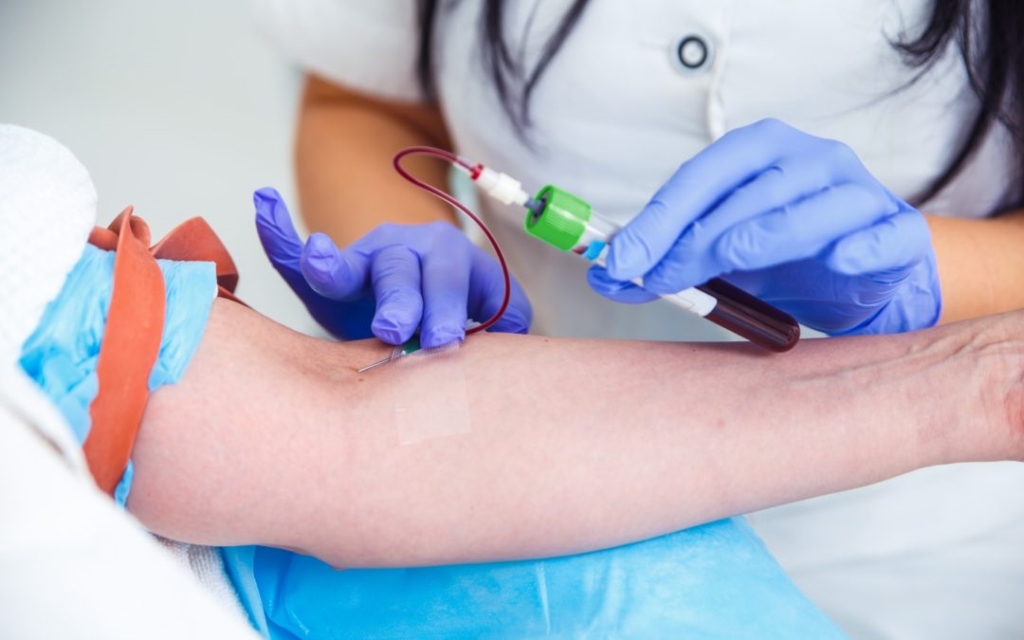
A phlebotomist is a trained healthcare professional responsible for drawing blood from patients for various medical purposes. Their main duties include:
– Collecting blood samples from patients
– Labeling and storing blood samples correctly
– Ensuring patient comfort and safety during the blood-drawing process
– Adhering to strict safety protocols to prevent contamination and infection
**Skills Required for Phlebotomists**
To excel in this role, phlebotomists need a unique set of skills, including:
– Attention to detail: Ensuring blood samples are labeled correctly and handled with care is crucial to prevent errors.
– Communication skills: Phlebotomists must be able to explain the blood-drawing process to patients and help alleviate any fears or concerns.
– Technical proficiency: Knowledge of proper blood-drawing techniques and equipment is essential for a successful phlebotomy career.
– Compassion: Dealing with patients who may be anxious or in pain requires a compassionate and empathetic approach.
**Why Phlebotomists are Essential in Healthcare**
Phlebotomists play a vital role in the healthcare system for several reasons:
– Accurate testing: Blood samples collected by phlebotomists are used for a wide range of medical tests, helping doctors diagnose and treat patients effectively.
– Patient comfort: Phlebotomists are trained to ensure the blood-drawing process is as painless and comfortable as possible for patients.
– Preventing infections: By following strict safety protocols, phlebotomists help prevent the spread of infections in healthcare settings.
**Benefits and Practical Tips**
If you’re considering a career in phlebotomy, here are some benefits and practical tips to keep in mind:
– Job stability: The demand for phlebotomists is expected to grow as the healthcare industry expands.
– Training programs: Many community colleges and vocational schools offer phlebotomy training programs that can be completed in a few months.
– Certification: While not always required, becoming a certified phlebotomist can enhance your job prospects and earning potential.
**Conclusion**
phlebotomists play a vital role in the healthcare system, ensuring accurate testing, patient comfort, and infection prevention. With the right skills and training, you can embark on a rewarding career as a phlebotomist and make a meaningful impact in the lives of patients. Whether you’re just starting your journey in healthcare or looking for a new career path, consider the important role of a phlebotomist and the value they bring to the medical field.