Phlebotomy vs. Medical Assistant: Which Healthcare Role Fits Your Career Goals?
Choosing a career in healthcare can be both exciting and overwhelming. With various roles available, understanding the differences between positions like phlebotomist and medical assistant is vital to making an informed decision about your future. Both careers offer promising opportunities, but they serve different functions, require different training, and align with distinct professional goals. This comprehensive guide compares phlebotomy vs. medical assistant careers, helping you determine which path fits your aspirations, skills, and lifestyle.
Understanding the Roles: What Is a Phlebotomist?
Job Description and Responsibilities
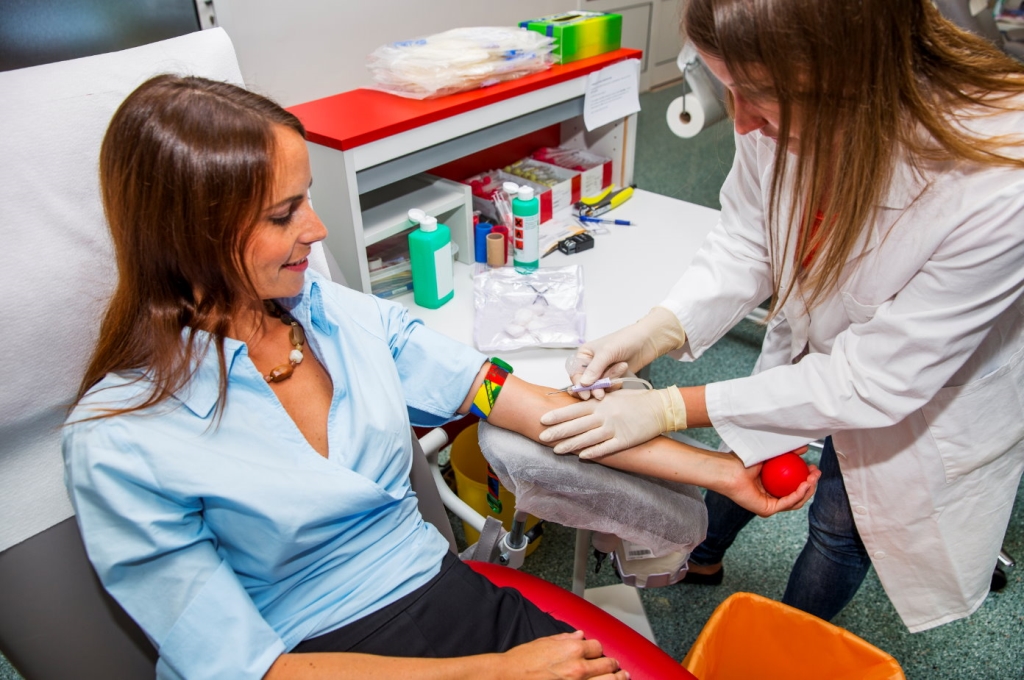
A phlebotomist specializes in drawing blood from patients for tests, transfusions, research, or donation purposes. Their primary responsibilities include:
- Collecting blood samples using needles and other equipment
- Labeling and preparing specimens for lab testing
- Ensuring patient comfort and safety during blood draws
- Maintaining blood collection supplies and equipment
- Following strict safety and infection control procedures
Work Environment & Typical Settings
Phlebotomists typically work in hospitals, clinics, laboratories, blood donation centers, and physicians’ offices. Their work is often clinical and involves direct patient interaction.
Training & Certification
training programs for phlebotomy usually last from a few months to a year and lead to certification options such as the Certified Phlebotomy Technician (CPT). Requirements vary by state,but most employers prefer certified professionals.
Understanding the Roles: What Is a Medical Assistant?
Job Description and responsibilities
A medical assistant supports healthcare providers in clinical and administrative tasks. Their responsibilities typically include:
- Measuring vital signs (blood pressure,temperature,pulse)
- assisting with examinations and procedures
- Administering injections or medications (as permitted)
- Scheduling appointments and managing patient records
- Handling billing,coding,and insurance forms
Work Environment & Typical Settings
Medical assistants work in a variety of settings such as primary care clinics,specialty clinics,outpatient care facilities,and sometimes hospitals. They play a versatile role, combining clinical care with administrative support.
Training & Certification
Programs for medical assistants typically take about 1-2 years and can result in a certificate, diploma, or associate degree. Certification options include Certified Medical Assistant (CMA) and Registered Medical Assistant (RMA).
Key Differences Between Phlebotomy and Medical Assisting
Scope of Practice
| Feature | Phlebotomy | Medical Assisting |
|---|---|---|
| Primary Focus | Blood collection and lab specimen prep | Clinical support + administrative duties |
| Certifications | Certified Phlebotomy Technician (CPT) | CMA,RMA,or equivalent |
| Work Environment | Labs,blood centers,hospitals | Clinics,hospitals,outpatient clinics |
| Interaction | High patient contact for blood draws | Patient care,administrative interactions |
| Training duration | Few months to 1 year | 1-2 years or more |
Salary and Job Outlook
While salaries can vary based on location and experience,here’s a swift overview:
| Role | Average Annual Salary (USD) | job Growth (Projection 2023-2030) |
|---|---|---|
| Phlebotomist | $36,000 | 10% |
| Medical Assistant | $38,000 | 18% |
Which Role Fits Your Career Goals?
For Those Who Prefer a Shorter Training Period & Specialize in Blood Collection
If you wont to start working quickly and focus on specimen collection,phlebotomy might be ideal.It offers faster certification paths, lower educational costs, and a niche specialization with steady demand.
For Individuals Interested in Broader Clinical & Administrative Support
If you’re interested in engaging with patients in a broader capacity,assisting with examinations,and handling administrative duties,a career as a medical assistant provides diverse responsibilities and a higher overall salary potential.
Consider Your Long-Term goals
- Specialization & Advancement: Medical assisting can lead to supervisory roles or further nursing education.
- Versatility & Job Variety: Medical assistants frequently enough switch between clinical and administrative duties, enhancing job flexibility.
- Certification & Continuing Education: Both roles offer opportunities for ongoing certifications to enhance employability.
benefits and Practical Tips
- Research Local Job Markets: Check demand and salary trends specific to your region.
- Consider training Programs: Look for accredited programs that offer certification planning.
- Gain Hands-On Experience: Seek internships or volunteer opportunities to build practical skills.
- Plan for Certification: Prepare for certification tests to boost employability and salary prospects.
- Evaluate Your Career Goals: Reflect on whether you want to specialize (phlebotomy) or broaden your skills (medical assisting).
Case Studies & First-Hand Experiences
case Study 1: Sarah’s Path to a Quick Entry
Sara completed a 6-month phlebotomy certification course.She now works at a blood donation center earning $36,000 annually. Her role is specialized but she enjoys the high demand and flexible schedule.
Case Study 2: Mike’s Versatile Role as a Medical Assistant
Mike enrolled in a 1-year medical assisting program. He works in a busy outpatient clinic performing both clinical and administrative duties. His salary is around $38,000, with opportunities for advancement toward nursing or administrative management.
final thoughts
Choosing between phlebotomy and medical assisting ultimately depends on your career aspirations,desired training timeline,and the level of patient interaction you seek. Both roles are essential in healthcare and provide meaningful opportunities to make a difference in patients’ lives while building a rewarding career.
If you’re passionate about laboratory procedures and prefer a focused, quick-to-start career, phlebotomy might be the perfect fit. Conversely,if you’re looking for a versatile role with broader responsibilities and potential growth,medical assisting is an excellent choice.
Take the time to explore training options, seek advice from industry professionals and consider your personal interests-your ideal healthcare career is within reach!