Phlebotomy vs. Medical Assistant: Which Healthcare Career Suits You?
If you’re considering a career in the healthcare field, you’re likely exploring various roles to find the perfect fit for your interests and goals. two popular and rewarding options are phlebotomy and medical assisting. Both careers play vital roles in patient care, but they differ significantly in responsibilities, training, and work environment. This comprehensive guide will help you understand the key differences, benefits, and practical tips to choose the healthcare career that’s right for you.
Introduction to Phlebotomy and medical Assisting
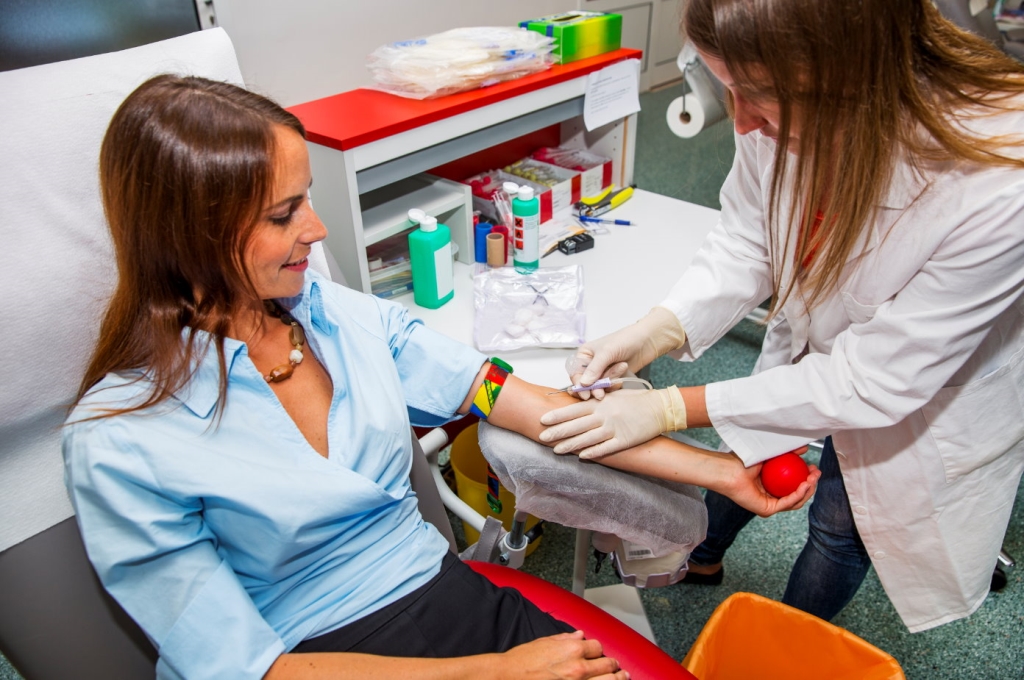
Choosing a healthcare career is an critically important decision that can impact your professional fulfillment and personal growth. Phlebotomists specialize in drawing blood for tests, transfusions, research, or donations. Medical assistants, on the other hand, are more versatile, performing both clinical and administrative tasks to support physicians and healthcare teams.
what Is Phlebotomy?
Role and Responsibilities
- Collect blood samples from patients using venipuncture or fingerstick methods
- Prepare specimens for laboratory testing
- Label and process samples accurately
- Maintain sterile technique and ensure patient safety
- Manage equipment and inventory related to blood collection
Training and Certification
Most phlebotomists complete a certificate program that lasts from a few weeks to a few months. Certification options, such as the Certified Phlebotomy Technician (CPT), can enhance job prospects. Requirements vary by state, but formal training and certification are generally recommended.
What Is a Medical Assistant?
Role and Responsibilities
- Perform routine clinical tasks: taking vital signs, assisting with exams, administering injections
- Handle administrative duties: scheduling appointments, insurance processing, patient records management
- Assist physicians and other healthcare providers in daily tasks
- prepare patients for exams and assist with procedures
- Maintain a clean and organized clinical environment
Training and Certification
Medical assistants typically complete a post-secondary education program lasting about 1 year, frequently enough resulting in a certificate or diploma. many programs prepare students for the Certified Medical Assistant (CMA) exam, which can bolster employment opportunities.
Key Differences Between Phlebotomy and Medical Assisting
Table: Phlebotomy vs.Medical Assistant Comparison
| Feature | Phlebotomy | Medical Assistant |
|---|---|---|
| Primary Focus | blood collection and specimen handling | Clinical and administrative support |
| Training Duration | Few weeks to months | Up to 1 year or more |
| Certifications | Certified Phlebotomy Technician (CPT) | Certified medical Assistant (CMA) or Registered Medical Assistant (RMA) |
| Work Environment | Labs, clinics, hospitals | Doctors’ offices, clinics, hospitals |
| Average Salary | $36,000 – $40,000 | $34,000 – $45,000 |
| Career Advancement | Limited; specialized roles in labs, phlebotomy supervisor | Yes; further certifications, office management, nursing |
Which Healthcare Career Suits You?
Consider Your Interests and Skills
Choosing between phlebotomy and medical assisting depends on your passions and strengths:
- If you enjoy drawing blood, working with samples, and prefer patient interaction that’s limited to specimen collection, phlebotomy might be the ideal choice.
- If you are interested in a broader scope of practice, assisting in exams, administrative tasks, and working closely with patients and healthcare teams, then a medical assisting career could be a better fit.
Work Environment Preferences
Think about where you want to work. Phlebotomists often spend their days in labs or hospitals, whereas medical assistants typically work in busy outpatient clinics or private practices, which may involve more patient interaction and multitasking.
Long-term Career Goals
- Want to specialize further in laboratory work? Phlebotomy can be a stepping stone.
- Looking for opportunities to grow into office management or pursue additional healthcare roles? Medical assisting offers diverse pathways.
Benefits and Practical Tips for Aspiring Healthcare Professionals
Benefits of Choosing a Healthcare Career
- Job Stability: The healthcare industry consistently demands qualified professionals.
- Rewarding Work: Making a difference in patients’ lives brings personal fulfillment.
- Flexibility: Many roles offer part-time, full-time, or flexible schedules.
- Opportunities for Advancement: Further certifications and specialized training can lead to higher wages and responsibilities.
Practical Tips for Aspiring Phlebotomists and Medical Assistants
- Research accredited training programs in your area or online to find the best fit.
- Gain hands-on experience through internships or externships to build confidence and skills.
- Obtain relevant certification to improve employability and demonstrate professionalism.
- Network with healthcare professionals and join industry organizations for career growth.
- Continuously update your skills and stay informed about industry standards and advances.
Firsthand Experience and Case studies
Many successful healthcare professionals started as phlebotomists or medical assistants.For example:
Jane’s Story: After completing a short phlebotomy program,Jane worked in a hospital lab,gaining invaluable experience. She later decided to expand her skills by pursuing certification as a medical assistant, opening doors to broader clinical roles and administrative leadership.
Real-life cases like Jane’s highlight how thes roles can serve as stepping stones toward diverse healthcare careers, offering opportunities for growth and specialization.
Conclusion: Making the Right Choice for Your Healthcare Journey
Choosing between phlebotomy and medical assisting depends on your personal interests, career aspirations, and preferred work environment. Both professions provide meaningful ways to contribute to patient care, and each offers unique advantages and growth paths. Consider your skills, lifestyle, and long-term goals to decide which healthcare career aligns best with you.
Remember that starting in either role can serve as a foundation for advancing into specialized positions or further healthcare education. Whichever path you choose, entering the healthcare industry is a committed, rewarding journey that makes a tangible difference in people’s lives.