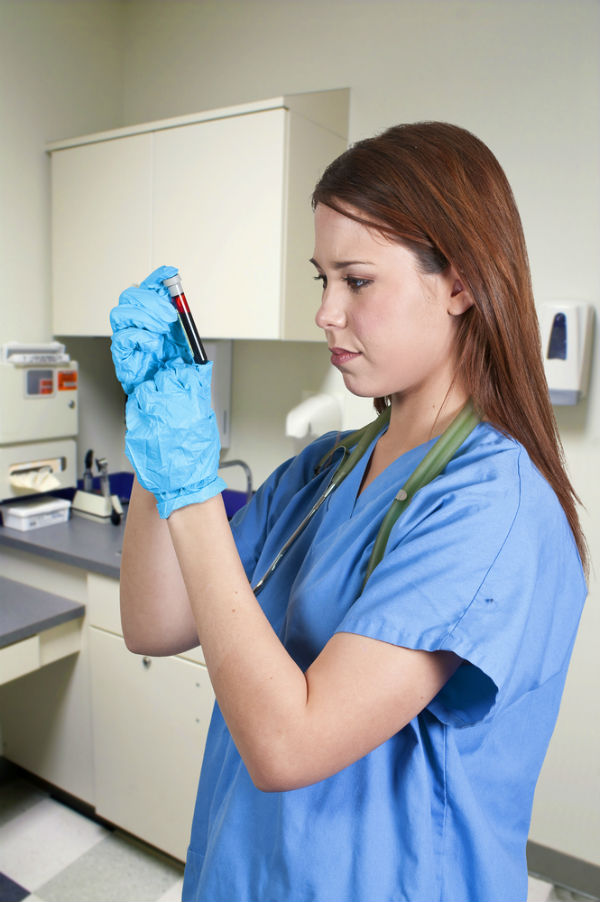
Phlebotomist vs. Phlebotomy Technician: Key Roles, Skills, and Career Insights
Introduction
If you’re exploring a career in healthcare support, you’ve likely encountered two titles that often appear
interchangeably: phlebotomist and phlebotomy technician. While there is overlap, these roles can differ in scope,
responsibilities, and career trajectory depending on the country, state, or employer. This extensive guide
compares phlebotomists and phlebotomy technicians,outlining core duties,required training,essential skills,career
outlooks,and practical tips to help you choose the right path and advance with confidence in the field of
phlebotomy.
Key Differences: Roles and Responsibilities
Phlebotomist - Core Focus: Blood Collection and Patient Interaction
- Primary duty: Safely collect blood samples from patients via venipuncture or capillary puncture.
- Patient-facing role: Explain procedures, address anxiety, ensure comfort, and maintain a calm environment.
- Specimen handling: Labeling, proper storage, and routine transport to the laboratory.
- Safety and compliance: Follow infection control protocols, OSHA standards, and HIPAA privacy rules.
- Work settings: Hospitals, clinics, blood donation centers, and outpatient laboratories.
Phlebotomy Technician – Broader Scope: Lab Support and Process Excellence
- Primary duty: perform blood collection while also assisting with specimen processing and basic lab tasks.
- Data entry and documentation: Enter patient information, track specimens, and verify orders.
- Quality control: Prepare tubes, ensure proper specimen handling, and monitor specimen quality for transport.
- Technical troubleshooting: Help troubleshoot issues with collection devices, labeling, and routing to the right lab
- work settings: Similar environments to phlebotomists, with potential placement in hospital laboratories, clinical labs, and centralized processing facilities.
In many workplaces, the titles may be used interchangeably, and job descriptions blend. The key is to review
the specific duties listed by an employer to understand what is expected in that role. When you see ”phlebotomy
technician” on a job posting, anticipate a mix of blood collection skills plus additional lab support tasks.
Education and Certification Paths
Both phlebotomists and phlebotomy technicians usually enter the field through a formal training programme,
followed by certification. The exact requirements vary by country and region, so it’s wise to check local
licensing boards and employer prerequisites.
Common Pathways
- High school diploma or equivalent is typically the minimum educational requirement.
- Postsecondary phlebotomy training programs offer certificates and can last anywhere from 4 to 12+ weeks.
- Clinical externships or practicum components are often included to ensure hands-on experience with real patients.
- Certification is highly recommended and, in some places, required for employment or advancement.
Popular Certifications
- Certified Phlebotomy Technician (CPT) – offered by organizations such as the National Healthcareer Association (NHA).
- Phlebotomy Technician (PBT) – offered by the American society for Clinical Pathology (ASCP) and other providers.
- Certificate programs may prepare you for entry-level phlebotomy roles and associated certifications.
- Some employers also value CPR/Basic Life Support (BLS) certification and ongoing continuing education.
Tip: when evaluating programs, verify that they include hands-on clinical experience, cover safety and
handling of specimens, and prepare you for the certification exam of your choice. Accreditation and state
approval can also influence eligibility for certain job postings.
core Skills and Competencies
Irrespective of title,triumphant phlebotomy professionals share a core skill set that prioritizes safety,accuracy,and patient care:
- Venipuncture and capillary puncture technique
- Aseptic technique and infection control
- Specimen labeling,handling,and chain-of-custody procedures
- Specimen transport and timely delivery to the laboratory
- Patient interaction and empathy – making patients agreeable and calm
- Attention to detail in data entry and documentation
- Safety compliance with OSHA,HIPAA,and laboratory protocols
- Equipment maintenance and troubleshooting basic issues with collection devices
- Adaptability to fast-paced clinical environments
Soft skills matter as much as technical ones. Effective phlebotomy professionals collaborate with nurses, physicians,
and laboratory staff. They also handle sensitive information discreetly and maintain a respectful bedside manner.
Salary, job Outlook, and Career Growth
Salaries for phlebotomy roles vary by geography, employer type, experience, and certifications. In general:
- Entry-level positions often start in the lower to mid range for allied health support roles.
- With certification, ongoing training, and experience in high-demand settings (hospitals, large clinics),
earning potential increases over time. - Geographic location, shift differentials (evenings, nights, weekends), and union status can impact pay.
- Many healthcare facilities offer benefits such as retirement plans, health insurance, and paid time off, which adds value beyond base pay.
Job outlook for phlebotomy roles remains positive due to steady demand in hospitals, outpatient centers, and blood
banks. For those who pursue advanced certifications or later transition into laboratory or clinical roles (e.g.,
medical laboratory technologist, phlebotomy supervisor), there are clear pathways for salary growth and career
advancement.
Benefits, Practical tips, and Career Advancement
Why consider a career in phlebotomy?
- Short training pathways get you into the workforce quickly.
- Versatile job prospects across hospitals, clinics, blood banks, and outpatient labs.
- Opportunities for certification-based advancement and leadership roles.
- Contributing to patient care and critical diagnostic processes.
Practical Tips for Aspiring Phlebotomy Professionals
- Choose a reputable, accredited training program with a clinical externship component.
- Prepare for certification exams by using practice tests and study guides specific to the cert body you select.
- Gain experience in a variety of settings (hospital vs. community clinic) to broaden your skill set.
- Stay current on safety standards and HIPAA/privacy requirements; emphasize accuracy in labeling and handling.
- Develop strong patient communication skills to reduce anxiety and improve specimen quality.
Case studies: Real-World Scenarios
Case Study 1 - From Phlebotomist to Lead Phlebotomist
Maria started as a phlebotomist in a busy city hospital. Her calm demeanor and meticulous labeling reduced specimen
rejections by 40% within six months. She pursued a CPT certification, took on shift lead responsibilities, and helped
train new staff on collection techniques and safety protocols. Her career progression demonstrates how strong bedside
manners combined with technical precision can accelerate advancement.
Case Study 2 – Phlebotomy Technician in a Central Lab
Ahmed began as a phlebotomy technician in a centralized clinical laboratory. He expanded his role by assisting with
specimen processing, workflow optimization, and data entry accuracy. After earning an ASCP-certified PBT credential, he
transitioned into a multi-skilled technician role, contributing to quality control initiatives and reducing turnaround
times for critical tests.
First-Hand Experience: What to Expect
Hearing from current professionals can help you prepare mentally for the day-to-day realities of the job. Common themes include:
- Early mornings, fast-paced patient flow, and the need to stay organized under pressure.
- Maintaining empathy while performing precise technical tasks.
- Adapting to diverse patient populations, from anxious children to critical-care patients.
- The satisfaction of supporting accurate diagnoses and timely clinical decisions.
Tools, Equipment, and Safety standards
- Needles, vacutainer holders, collection tubes, tourniquets, and capillary collection devices.
- Labeling systems, barcode scanners, and specimen transport containers.
- Personal protective equipment (gloves, gown, face protection as needed).
- Sharps disposal containers and spill kits for workplace safety.
- Automated blood collection and processing systems in larger labs.
- Compliance with OSHA guidelines, biosafety standards, and HIPAA regulations.
Side-by-Side comparison
use this speedy reference to understand the practical differences between the two roles:
| Aspect | Phlebotomist | Phlebotomy Technician |
|---|---|---|
| Primary Focus | Blood collection; patient interaction | Blood collection plus specimen processing and data tasks |
| Typical Duties | Venipuncture, labeling, basic patient care | Venipuncture, processing, data entry, quality checks |
| Training Time | Short-term program or on-the-job | Structured program (frequently enough 6-12 weeks) with externship |
| Certifications | Optional (depends on region); CPR/BLS common | Often required or strongly preferred; CPT/PBT certifications common |
| Salary Range | Entry-level to mid-range; varies by location | Similar to phlebotomist but can rise with additional responsibilities |
| Career Path | Senior phlebotomist, lead, or supervisor | Lab technician roles, supervisors, or specialized clinical positions |
Conclusion
both phlebotomists and phlebotomy technicians play vital roles in healthcare delivery. They ensure that blood
samples are collected safely, labeled accurately, and transported to the laboratory for timely analysis. While
the titles may be used interchangeably in some settings, the key distinctions often lie in the scope of duties and
the depth of clinical responsibilities. If you’re just starting out, a structured phlebotomy training program with
a recognized certification can open doors to a rewarding career with steady demand. If you’re seeking broader lab
exposure and a pathway toward advanced clinical roles,pursuing a phlebotomy technician certification and
expanding your skill set can accelerate growth. Whichever path you choose, a patient-centered approach, strong
technical skills, and a commitment to safety will serve you well in this essential field.
ready to begin your journey? Start by researching accredited phlebotomy programs near you, review the certification
options that align with your career goals, and seek hands-on externships to build confidence in real-world settings.