Unlocking Your Future: The Ultimate Guide to Becoming a Certified Phlebotomist
If you’re looking for a rewarding career that combines healthcare with hands-on skills, becoming a certified phlebotomist might be the perfect fit for you. In this comprehensive guide, we’ll explore everything you need to know—from educational requirements and certification processes to the benefits of this vital profession.
What is Phlebotomy?
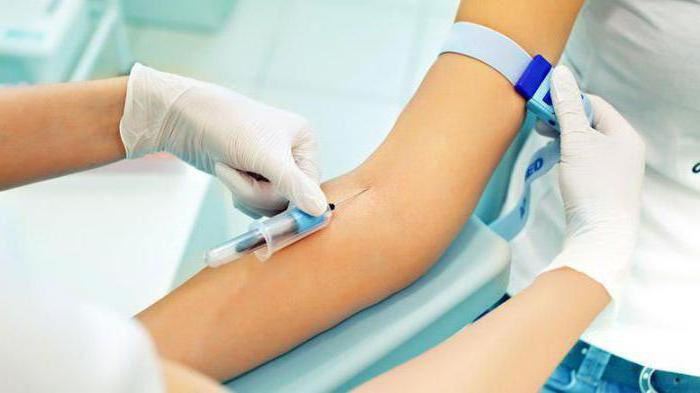
Phlebotomy involves the practice of drawing blood from patients for various medical purposes, including tests, transfusions, and donations. Phlebotomists are essential members of the healthcare team, ensuring that blood samples are collected safely and sent for analysis.
Why Become a Certified Phlebotomist?
- In-Demand Profession: With the increase in medical procedures requiring blood tests, the demand for certified phlebotomists continues to rise.
- Career Advancement: Certification can open doors to advancement opportunities within the healthcare sector.
- Job Satisfaction: Helping patients and working directly in healthcare can bring high levels of job fulfillment.
Requirements to Become a Certified Phlebotomist
To become a certified phlebotomist, you generally need to follow these steps:
1. Educational Background
Most certification programs require a high school diploma or equivalent. Some community colleges offer phlebotomy programs that can provide you with the necessary training.
2. Training and Program Completion
Enroll in a phlebotomy training program accredited by a recognized organization such as the National Accrediting Agency for Clinical Laboratory Sciences (NAACLS). These programs typically include:
- Classroom instruction on anatomy, physiology, and blood collection procedures
- Hands-on practice drawing blood under supervision
- Clinical internship experience
3. Certification Examination
After completing your training, you’ll need to pass a certification exam from one of the following recognized certifying bodies:
- American Society for Clinical Pathology (ASCP)
- National Phlebotomy Association (NPA)
- National Center for Competency Testing (NCCT)
4. Continuing Education
Most certifying organizations require continuing education credits to maintain your certification. Stay updated with the latest phlebotomy standards and practices.
Benefits of Becoming a Certified Phlebotomist
| Benefit | Details |
|---|---|
| Job Security | As more hospitals and clinics implement blood testing, demand is consistently high. |
| Flexible Work Environment | Options to work in hospitals, clinics, laboratories, and even mobile blood donation units. |
| Short Training Period | Many certification programs can be completed in as little as a few months. |
| Positive Patient Interaction | Phlebotomists often build relationships with patients, providing care and comfort. |
Practical Tips for Aspiring Phlebotomists
- Develop Strong Communication Skills: Clear communication is key when interacting with patients.
- Practice Good Hygiene: Maintaining a sterile environment is crucial in healthcare settings.
- Stay Calm Under Pressure: Working in a medical environment can be stressful; practice techniques to remain calm.
- Build a Network: Connect with other healthcare professionals and phlebotomy graduates for support and guidance.
First-Hand Experiences: What Phlebotomy Truly Entails
Many phlebotomists describe their role as incredibly rewarding. Here’s what a few professionals have to say:
“Phlebotomy is more than just drawing blood. It’s about creating a trusting relationship with patients. When they’re nervous, my job is to calm them and make the process as smooth as possible.” — Jessica, Certified Phlebotomist
“I love the variety in my job. Each day presents new challenges—whether it’s working with different patients or mastering new techniques. The learning never stops!” — Mark, Lead Phlebotomist
Case Studies of Successful Phlebotomists
Let’s take a closer look at a couple of phlebotomists who have found success in their careers:
Case Study 1: Laura – Transitioning Careers
After spending a decade in retail, Laura discovered her passion for phlebotomy. She completed her training in six months and was hired at a local clinic shortly thereafter. Laura now trains new hires in blood draw techniques.
Case Study 2: James – Building a Career in Healthcare
James started as a phlebotomist and used the experience to secure a position as a laboratory technician. His phlebotomy certification opened doors to further education and advancement within the healthcare field.
Conclusion
Becoming a certified phlebotomist is a fulfilling career choice that offers numerous benefits, including job security and the opportunity to make a real difference in people’s lives. With the right training and certification, you can unlock a future filled with opportunities in the healthcare industry. So, are you ready to take the first step toward your phlebotomy career?