**Title: Unlocking Your Career in Healthcare: Doctor Office Phlebotomist Jobs**
**Introduction:**
Are you interested in a career in the healthcare industry that allows you to work closely with patients and make a difference in their lives? If so, becoming a doctor office phlebotomist might be the perfect job for you. In this article, we will explore what it takes to pursue a career as a phlebotomist in a doctor’s office setting, the responsibilities and requirements of the role, and the potential benefits of choosing this career path.
**What is a Doctor Office Phlebotomist?**
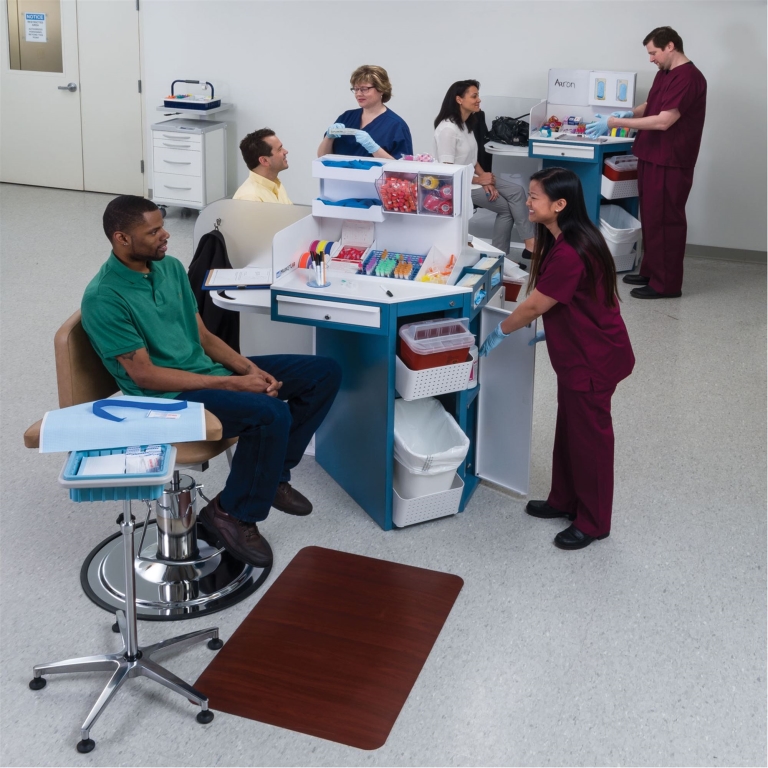
A doctor office phlebotomist is a healthcare professional responsible for drawing blood from patients for various medical tests, transfusions, donations, or research. Phlebotomists work in a variety of settings, including doctor’s offices, hospitals, laboratories, and blood donation centers. In a doctor’s office setting, phlebotomists play a key role in assisting physicians and nurses in collecting blood samples from patients for diagnostic purposes.
**Responsibilities of a Doctor Office Phlebotomist:**
– Greeting and preparing patients for blood draw procedures
– Identifying patients and verifying their medical records
– Explaining the blood draw process to patients and answering any questions they may have
– Selecting the appropriate venipuncture site and preparing the equipment needed for the blood draw
– Drawing blood from patients using standard venipuncture techniques
– Labeling and storing blood samples properly for transportation to the laboratory
– Maintaining a clean and organized work area
– Following safety protocols and infection control procedures to prevent the spread of diseases
**Requirements to Become a Doctor Office Phlebotomist:**
– High school diploma or equivalent
– Completion of a phlebotomy training program from an accredited institution
– Certification in phlebotomy (e.g., CPT or PBT) may be required by some employers
– Strong communication and interpersonal skills
– Attention to detail and good hand-eye coordination
– Ability to work well under pressure in a fast-paced environment
– Knowledge of medical terminology and basic laboratory procedures
**Benefits of Choosing a Career as a Doctor Office Phlebotomist:**
– Fulfilling work that directly impacts patients’ health and well-being
– Job stability and growth opportunities in the healthcare industry
– Competitive salary and benefits
– Flexible work schedules, including part-time and evening shifts
– Opportunities for advancement to supervisory or specialized roles in phlebotomy
– Continuing education and professional development opportunities to expand your skills
**Practical Tips for Success as a Doctor Office Phlebotomist:**
- Attend a reputable phlebotomy training program to gain the necessary skills and knowledge
– Practice venipuncture techniques regularly to build confidence and proficiency
– Stay current on industry trends and best practices through continuing education and professional development courses
– Network with other healthcare professionals to explore job opportunities and expand your professional connections
– Maintain a positive attitude and professional demeanor when interacting with patients and colleagues
**Conclusion:**
If you are passionate about helping others and have a steady hand, becoming a doctor office phlebotomist may be the perfect career choice for you. By following the requirements, responsibilities, and practical tips outlined in this article, you can unlock your potential in the healthcare industry and embark on a rewarding career as a phlebotomist in a doctor’s office setting. Start your journey today and make a difference in the lives of patients through your essential work as a healthcare professional.