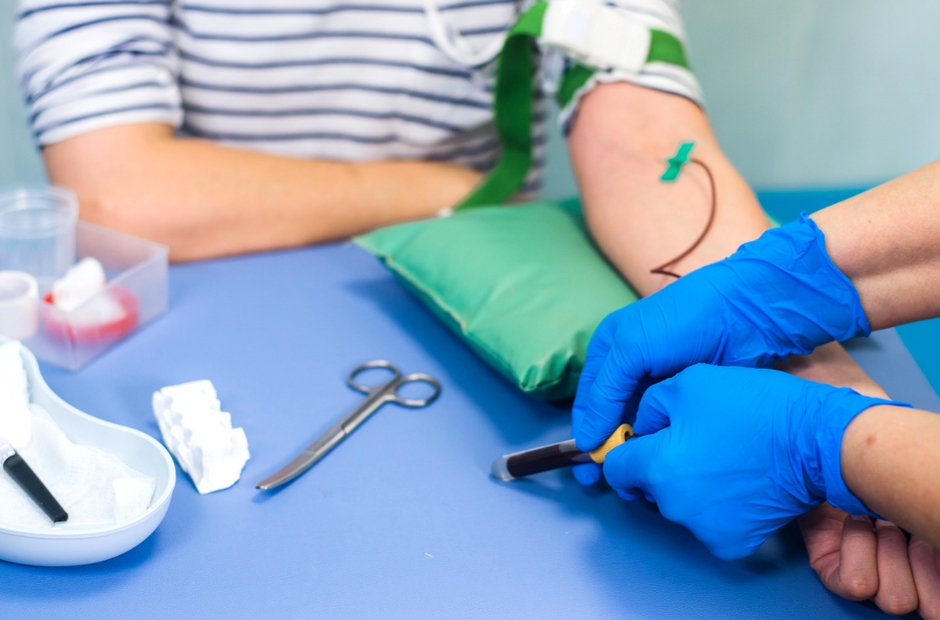
Unlocking Your Career: Essential Requirements to Become a Phlebotomist
Are you considering a career in healthcare? Becoming a phlebotomist could be a rewarding path for you. Phlebotomists play a crucial role in the healthcare system by collecting blood samples for tests, transfusions, and donations. In this comprehensive guide, we will unlock the essential requirements to become a phlebotomist, along with benefits, practical tips, and first-hand experiences to help you navigate your career journey.
What is a Phlebotomist?
A phlebotomist is a trained healthcare professional responsible for drawing blood and ensuring samples are collected correctly and safely. They work in hospitals, clinics, blood donation centers, and laboratories, playing a vital role in patient care and disease diagnosis.
essential Requirements to Become a Phlebotomist
1. Educational Requirements
To kick-start your journey toward becoming a phlebotomist, you typically need at least a high school diploma or GED. Following this, you will need to pursue specialized education in phlebotomy. Here are some educational pathways:
| Educational Pathway | Description |
|---|---|
| Phlebotomy Certificate Program | Generally lasts 4-8 months, includes classroom instruction and hands-on clinical experience. |
| Associate Degree in Clinical Laboratory Technology | A 2-year program that covers broader aspects of laboratory work, including phlebotomy. |
| On-the-Job Training | Some employers offer training programs for new hires, combining practical experience with learning. |
2. Certification Requirements
while certification is not always mandatory, it is highly recommended to enhance your employability and demonstrate your competence. Major certification organizations include:
- American Society for Clinical Pathology (ASCP) – Offers the Phlebotomy Technician (PBT) certification.
- National Healthcareer Association (NHA) – Provides the Certified Phlebotomy Technician (CPT) credential.
- american Medical Technologists (AMT) – Certifies individuals as Registered Phlebotomy Technicians (RPT).
3. Skills Required
The role of a phlebotomist requires a unique set of skills, both technical and interpersonal. Here’s a rapid overview:
- Attention to Detail: Ensuring correct sample collection and handling.
- Communication skills: explaining procedures and addressing patient concerns.
- Emotional Strength: Calming nervous patients and managing stress in a clinical setting.
- Technical Skills: Proficiency in using phlebotomy equipment and following safety protocols.
Benefits of Being a Phlebotomist
Choosing a career as a phlebotomist comes with numerous benefits. Here are a few:
- High Demand: The healthcare field is continuously growing, and skilled phlebotomists are always in demand.
- Short Training Time: Compared to other medical careers, becoming a phlebotomist requires relatively short training programs.
- Flexible Work Schedules: Phlebotomists frequently enough enjoy flexible hours,making it easier to balance work-life commitments.
- Career Advancement Opportunities: Entry into the field can lead to advanced positions such as laboratory technician or nursing roles with further education.
Practical Tips for Aspiring Phlebotomists
Here are some practical tips to help you succeed in your journey to becoming a phlebotomist:
1. Gain Experience
Whenever possible, take advantage of volunteer opportunities in healthcare settings. This experience will be invaluable and can give you a competitive edge.
2. Network with Professionals
Join phlebotomy associations and communities, attend workshops, and connect with professionals in the field. Networking can open doors to job opportunities and mentorship.
3. stay Updated with industry Standards
Healthcare guidelines and technologies are constantly evolving. Stay informed about best practices in phlebotomy through continuous education and training.
First-Hand Experience: A Day in the Life of a Phlebotomist
To provide a better understanding of the phlebotomy profession, here’s a brief recount of the typical day of a phlebotomist from a professional in the field:
“My day usually starts early. I check my schedule for patients and prepare my equipment before they arrive. I always make sure to greet each patient warmly, explaining the process to calm their nerves. Drawing blood can be intimidating, but a comforting presence ofen makes a significant difference. I then carefully label samples and ensure they are correctly handled for testing.Though it can be busy at times, knowing I play a crucial role in patient care makes it incredibly rewarding.”
Conclusion
Becoming a phlebotomist can be a fulfilling career choice for those interested in healthcare. By meeting the necessary educational and certification requirements, honing essential skills, and staying committed to the field, you can unlock your career as a phlebotomist. With high demand for professionals and ample opportunities for growth, now is the perfect time to consider this vital role in the healthcare system.